Perth Invasion Day Rally Bomb Incident Sparks Terror Investigation and Community Trauma
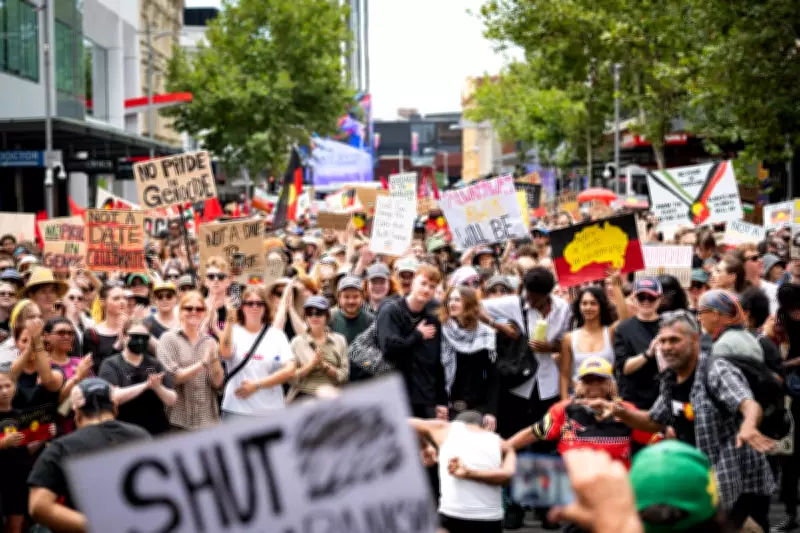
Approximately 2,500 people gathered in central Perth for an Invasion Day rally, an event that turned from peaceful protest to potential tragedy when a homemade explosive device was thrown into the crowd. The incident, which occurred at Forrest Place before the planned march to Stirling Gardens, is now being investigated by Australian federal authorities as a potential terrorist act, raising profound concerns about safety and racial tensions in Western Australia.
Device Had Potential to Cause Multiple Fatalities
Initially mistaken by attendees for discarded rubbish or an empty coffee cup, the object thrown from a balcony into Perth's main shopping mall area was revealed by police to be a functioning homemade bomb capable of exploding. Authorities confirmed the device had the potential to injure or kill many people, particularly given its landing zone was reserved for vulnerable attendees including parents with prams, wheelchair users, and elders.
Nadine Highfield, a Wangkatha woman who attended the rally with her sister, described the terrifying moment when dozens of police officers suddenly rushed toward the stage area. "Where it landed, those are people in wheelchairs. There were babies and prams. Like, it wouldn't have been people maimed – they would have died," Highfield recounted, highlighting how children at eye level with the device would have been particularly vulnerable.
Community Reels from Attack Amid Perceived Silence
The incident has left Perth's Indigenous community grappling with complex emotions including sadness, fear, and mistrust. Many First Nations people express frustration at what they perceive as inadequate attention from both media and political leaders, with Highfield noting the surreal feeling that "it's not a big deal if it happens to Black people."
Tanesha Bennell, a 25-year-old Noongar traditional owner, described the attack as particularly distressing given cultural responsibilities to protect visitors on traditional lands. "It's part of our ways that if we have guests or visitors for us to look after [them] and we weren't able to do that as traditional custodians," she explained, adding that the slow official response felt like ongoing gaslighting of community trauma.
Police Response and Community Concerns
Western Australia police arrested a 31-year-old Perth man at the rally, charging him with intent to endanger life and making or possessing explosives under suspicious circumstances. However, it took more than 48 hours for authorities to publicly frame the incident as a potential terror investigation, despite the immediate danger presented.
Community leaders have raised specific concerns about police response times and whether the attack is being properly investigated as a potential hate crime. Approximately twenty Perth elders met with WA Police Commissioner Col Blanch to discuss these issues, with attendees including Dr Jim Morrison of Yokai, an organization supporting Stolen Generations survivors.
Roxanne Moore, one of the rally organizers, criticized the media silence following the incident, stating "Racism is killing our people in this country, systemically and directly." She noted that many community members now feel afraid to leave their homes, though emphasized that "they can't break our 'wirin' (spirit)."
Broader Context of Rising Tensions
The bomb scare occurs against a backdrop of increasing concerns about white nationalism and racist sentiment in Western Australia. Community members point to multiple factors contributing to current tensions, including recent deaths in custody, the cancellation of Survival Day events, and the aftermath of the Indigenous Voice referendum.
Dr Morrison observed that "the referendum has created a lot more racists than we thought," while also noting that incidents like the Bondi attacks have put communities on edge. The combination of these factors has created what Highfield describes as a "really heavy" atmosphere for Indigenous communities in Western Australia.
As investigations continue into what authorities now classify as a potential terrorist act, Perth's First Nations communities grapple with the psychological aftermath while calling for greater recognition of the seriousness of the attack and the ongoing vulnerabilities they face in contemporary Australia.