
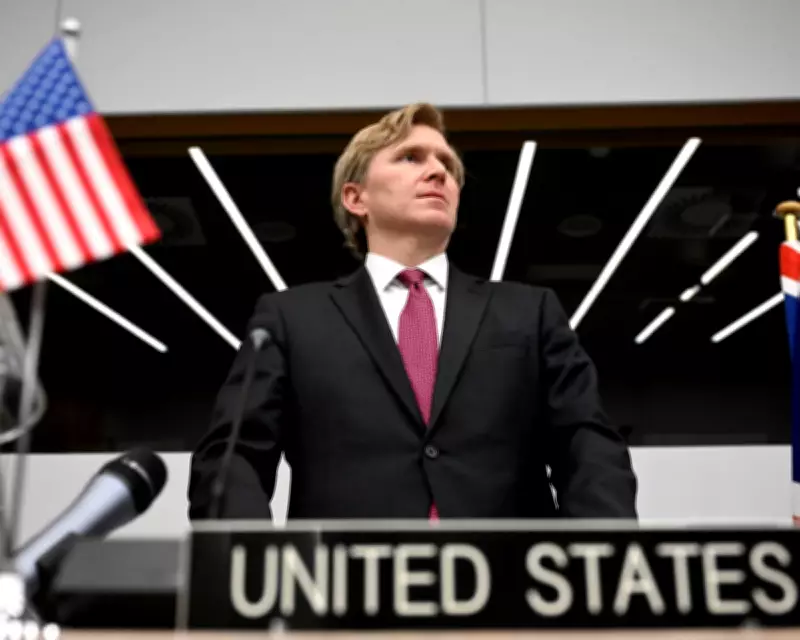
Pentagon Policy Chief Calls for Enhanced European NATO Combat Capabilities
The Pentagon's policy chief has issued a direct appeal to European NATO members, urging them to step up their combat capabilities in response to evolving global security challenges. This call to action emphasizes the critical need for increased military readiness and strategic investment across the alliance.
Strategic Imperatives for European Allies
In a recent address, the Pentagon's top policy official highlighted that European NATO members must accelerate efforts to bolster their defense systems. This includes modernizing equipment, enhancing troop training, and investing in advanced technologies to ensure interoperability with U.S. forces. The official stressed that collective security depends on all allies contributing robustly to combat readiness.
The policy chief pointed out that recent geopolitical shifts necessitate a more proactive approach from European nations. This involves not only meeting NATO's defense spending targets but also focusing on capabilities that can deter and respond to potential threats effectively.
Implications for NATO's Future
This directive from the Pentagon underscores a broader strategy to strengthen NATO's overall effectiveness. By urging European allies to enhance their combat capabilities, the U.S. aims to foster a more balanced burden-sharing within the alliance. This move is seen as essential for maintaining deterrence in an increasingly complex security environment.
Experts note that this call aligns with ongoing NATO initiatives to improve rapid response forces and cyber defense capabilities. The emphasis on combat readiness reflects lessons learned from recent conflicts and the need for agile, well-equipped forces.
European Responses and Challenges
European NATO members are expected to review their defense policies in light of this appeal. While some countries have already increased military spending, others face budgetary and political hurdles. The Pentagon's policy chief acknowledged these challenges but emphasized that security investments are non-negotiable for alliance cohesion.
- Modernization of military hardware and software
- Enhanced joint training exercises with U.S. and other NATO forces
- Development of specialized combat units for rapid deployment
This push for enhanced capabilities is likely to influence upcoming NATO summits and defense planning cycles, shaping the alliance's strategic direction for years to come.




