Pakistan has initiated a formal investigation into a devastating suicide attack that struck the heart of its capital, Islamabad, killing a dozen people and injuring many more. The blast, which occurred outside busy district court buildings, has sent shockwaves through a nation already grappling with a significant surge in militant violence.
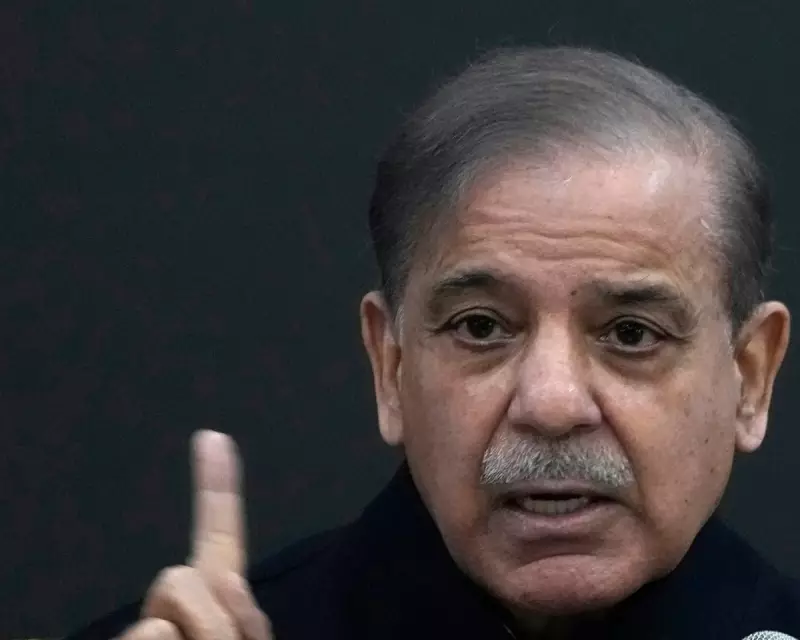
The prime minister, Shehbaz Sharif, has controversially labelled the assault a 'nefarious conspiracy' and pointed the finger at 'Indian state terrorism,' though no concrete evidence has been provided to support this serious allegation.
Details of the Islamabad Court Bombing
The attack unfolded on Tuesday midday when the area surrounding the court complexes was filled with people. The bomber attempted to force entry into the buildings several times before ultimately detonating an explosive device next to a police vehicle. The powerful blast resulted in the deaths of 12 individuals and left 27 others wounded.

This incident marks the first major terrorist attack to hit Islamabad in several years, a city that had been widely considered a secure zone, largely insulated from the militant activity more common in border regions.
Conflicting Claims and Regional Repercussions
Initial responsibility for the bombing was claimed by the Pakistan Taliban, formally known as Tehreek-e-Taliban Pakistan (TTP). The group released a statement saying it had targeted 'un-Islamic judges and lawyers.' However, in a confusing turn of events, a TTP spokesperson later retracted the claim, denying any involvement.
Despite this, several Pakistani ministers have publicly attributed the attack to the TTP, an Islamist group responsible for hundreds of militant operations this year. The group's primary focus has been police and security services in the Khyber Pakhtunkhwa border region.
The situation took a sharper geopolitical turn when Prime Minister Shehbaz Sharif issued a statement alleging the attack was carried out by Afghan-based militants acting 'at the behest of India.'
India's foreign ministry was swift and firm in its response. Spokesperson Randhir Jaiswal stated, 'India unequivocally rejects the baseless and unfounded allegations.' This exchange underscores the profoundly strained relations between the two nuclear-armed neighbours.
A Context of Heightened Tensions
The accusations occur against a backdrop of historic lows in Indo-Pakistani relations. In April, India accused Pakistan of masterminding a terrorist attack in Indian-administered Kashmir that killed 26 people, an accusation Pakistan denied. The subsequent months saw the two nations engage in cross-border strikes involving missiles and drones, bringing them perilously close to a wider conflict.
Both countries have a history of trading accusations regarding the harbouring of terror groups. Pakistan has consistently alleged that 'Indian-backed elements' are fuelling a surge in militant attacks, particularly those executed by the TTP and separatist Baloch groups in Balochistan.
Furthermore, Pakistan has accused neighbouring Afghanistan of providing a safe haven and training grounds for TTP fighters, a claim the Afghan Taliban government denies. This diplomatic friction erupted into heavy clashes along the Pakistan-Afghan border just last month.
The blast in Islamabad happened the day after an explosion in India's capital, Delhi, which killed eight people. The causes of that incident remain unclear, but India's anti-terror agency is leading the investigation.
In a speech addressing the security situation, Pakistan's foreign minister and deputy prime minister, Ishaq Dar, called terrorism one of the major global challenges. He asserted, 'Let me be very clear: these cowardly acts will never shake or weaken our national resolve to deal with this menace.'