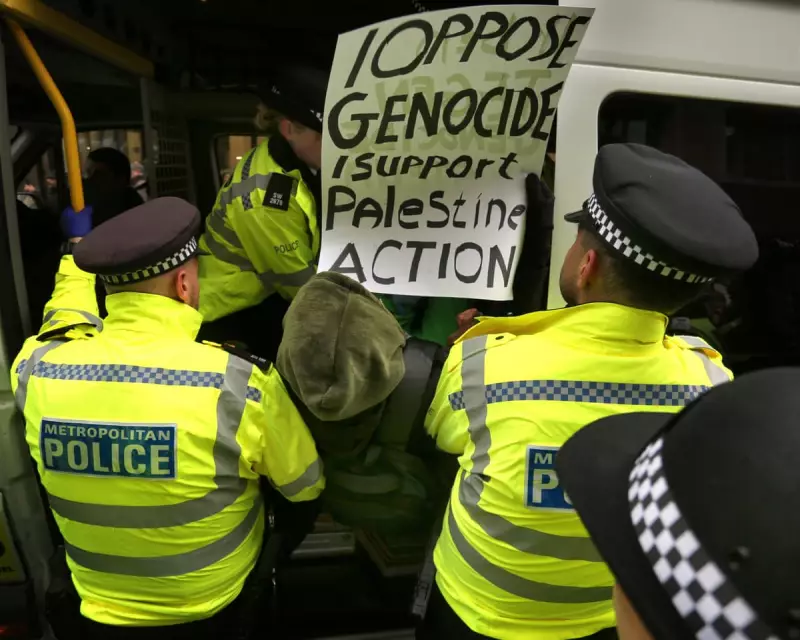
A senior Home Office official has issued a stark warning that the government's ban on Palestine Action could overwhelm the anti-terrorism Prevent programme and lead to people being wrongly criminalised.
Confusion Among Frontline Services
The official, who works within the homeland security group and requested anonymity, revealed there is already significant confusion among counter-terrorism police, officials, and in schools and hospitals following the proscription of the direct action group. The ban, which took effect on 5 July, makes being a member of or showing support for Palestine Action a criminal offence under the Terrorism Act.
Speaking exclusively to the Guardian, the official expressed serious concerns about people involved in Palestine advocacy being mistakenly labelled as extremists. They highlighted the risk of individuals being referred to Prevent when they pose no genuine threat, simply for expressing support for Palestinian causes.
Surge in Prevent Referrals Feared
The homeland security official stated: "I'm concerned about a surge in referrals to the Prevent system that might have a link to Palestine advocacy in light of the fact that this very high profile group is now proscribed, and the confusion there might be on the frontline in schools and healthcare settings."
Recent figures show the scale of the challenge facing Prevent. Referrals to the anti-terrorism programme increased by 27% in the year to March 2025 compared with the previous 12 months, reaching the highest level since records began.
The official confirmed they've heard senior counter-terrorism police expressing concerns about frontline issues already emerging. Local authority Prevent leads have also reported confusion about whether certain cases should be referred following the ban.
Legal Challenge and Wider Implications
A legal challenge to the ban on Palestine Action is scheduled to be heard this week, adding further complexity to the situation.
The official warned that the proscription has potentially damaged trust in government and Prevent specifically, potentially eroding the programme's effectiveness in tackling genuine threats. They noted that Prevent was already under "unprecedented" pressure following the Southport attacks and concerns about people obsessed with violence but without clear terrorist ideology.
Echoing these concerns, David Anderson KC, the independent Prevent reviewer, commented during pre-proscription debates in the House of Lords that the ban means "anyone who is young and foolish enough to say that its heart is in the right place, or that the government should listen to it, is committing a very serious offence for which they could be prosecuted, convicted and imprisoned as a terrorist."
The Home Office responded to these concerns through a spokesperson, stating: "Supporting Palestine is not the same as supporting a proscribed terrorist organisation. There are many lawful ways to express support for Palestinian rights and sovereignty without being a member of, or associated with, this harmful group."