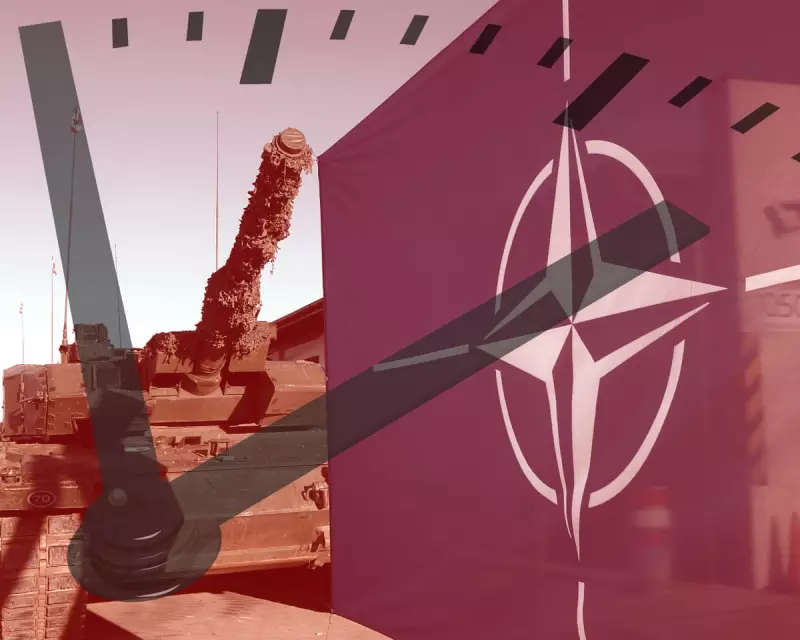
The North Atlantic Treaty Organization, commonly known as NATO, stands as one of the most significant military alliances in modern history. Founded in 1949, its creation was a direct response to the geopolitical tensions that defined the outset of the Cold War. The primary aim was to act as a robust bulwark against the Soviet Union, ensuring the security and stability of its member nations through both political dialogue and military cooperation.
The Core Principle: Collective Security
At the heart of NATO's framework lies the principle of collective security, a concept that binds all members together in mutual defence. This is formally enshrined in Article 5 of the North Atlantic Treaty, which states that an armed attack against one member shall be considered an attack against all. This pivotal clause has been invoked only once in NATO's history, following the devastating terrorist attacks on the United States on September 11, 2001, demonstrating its critical role in responding to global threats.
Expansion and Membership Growth
Originally, NATO began with twelve founding nations, including key players such as the United States, the United Kingdom, France, and Canada. Over the decades, the alliance has undergone substantial expansion, welcoming new members as geopolitical landscapes shifted. In the early years, countries like Greece, Turkey, and West Germany joined, strengthening NATO's presence in Europe.
The fall of the Berlin Wall and the subsequent collapse of the Soviet Union marked a new era for NATO, leading to a period of significant enlargement. This phase saw the inclusion of former Eastern Bloc nations and new democracies, such as Hungary, Poland, and Estonia, which sought the security guarantees offered by the alliance. Most recently, in response to heightened tensions following Russia's invasion of Ukraine, Finland and Sweden applied for and gained membership, bringing the total number of NATO members to thirty-two.
Operational Deployments and Modern Challenges
NATO has not been a passive alliance; its personnel have been actively deployed in various conflicts and missions around the world. Notable operations include airstrikes during the war in the former Yugoslavia and a prolonged mission in Afghanistan, initiated after the 9/11 attacks to combat terrorism and support reconstruction efforts.
In recent years, NATO has faced renewed pressures and challenges. The presidency of Donald Trump in the United States brought intense scrutiny, with criticisms focused on member nations' defence spending levels. This, combined with the escalating threat posed by Russia, prompted a collective response. In June 2025, nearly all NATO members agreed to increase their defence expenditures, underscoring the alliance's adaptability and commitment to maintaining robust security measures in an evolving global environment.
Today, NATO continues to proclaim its openness to any European country willing to contribute to the security of the North Atlantic area. Its evolution from a Cold War deterrent to a modern, multifaceted alliance highlights its enduring relevance in promoting peace and stability across the region and beyond.