The Rise of Mosquito-Sized Military Technology
Military technology is undergoing a dramatic size transformation as drones shrink down to dimensions comparable to common insects. These nano drones, often referred to as micro drones, are becoming increasingly prevalent on battlefields as defence leaders recognise their significant potential as sophisticated weapons systems.
While consumers can purchase basic versions on British high streets for under £50, military versions are being equipped with advanced technology that makes them formidable surveillance tools. The trend toward miniaturisation represents a fundamental shift in military strategy and capability.
Black Hornet: The £150,000 Surveillance Marvel
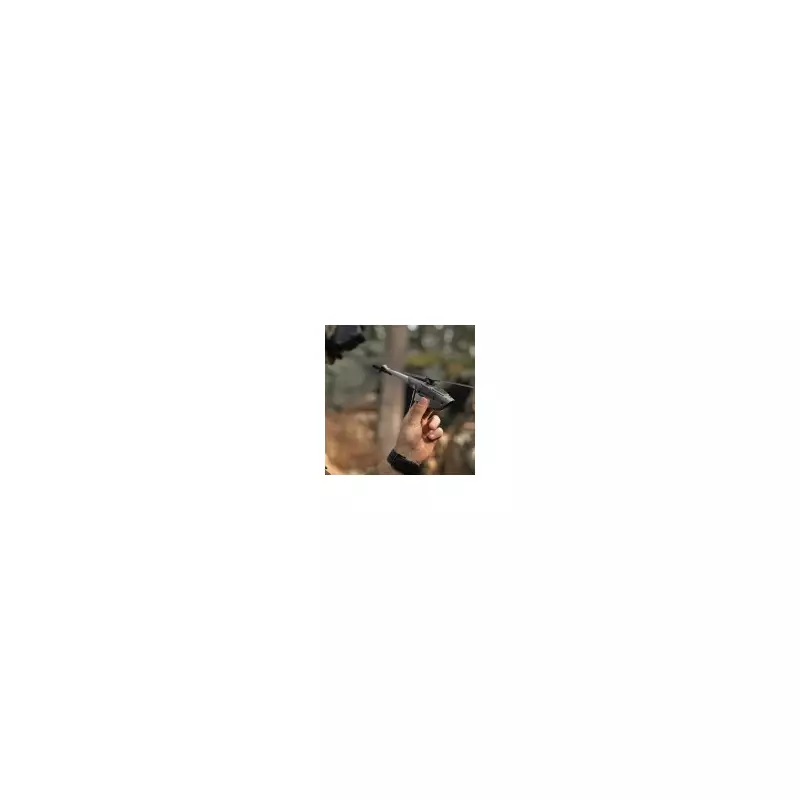
Among the most advanced nano drones currently deployed is the Black Hornet Nano, developed by defence company Teledyne. This remarkably small surveillance device provides crucial intelligence to ground troops, transmitting reliable information to help them anticipate incoming threats.

Despite their tiny dimensions, these drones come with a substantial price tag of approximately £150,000 per deployment unit. Their operational capabilities are equally impressive:
- Deployment in under 20 seconds
- Flight duration exceeding 30 minutes
- Operational range of 1.9 miles
- Sophisticated surveillance equipment including day/night video and thermal imaging
The Black Hornet operates through autopilot systems, directed toward pre-designated targets without requiring constant manual control. These drones have already seen active service in the Russo-Ukraine conflict, demonstrating their practical battlefield value.
Global Developments in Micro-Drone Technology
The race to develop increasingly smaller drones isn't limited to Western defence contractors. In China, military research institutions have created their own mosquito spy drones designed for reconnaissance and special battlefield missions.
Liang Hexiang, a student at China's National University of Defence Technology (NUDT), showcased one such development in June, describing it as particularly suited for information gathering and special operations.
Meanwhile, the United States Department of Defence's secretive DARPA laboratory has pursued an even more unconventional approach since 2006, working on hybrid insect drones that involve embedding electronic components into living insects like cockroaches and beetles for surveillance purposes.
Harvard University's RoboBee Drone represents another frontier, capable of flying and landing like a crane fly, though current applications focus on environmental monitoring and artificial pollination rather than military use.
Why Size Matters: The Strategic Advantages
The shift toward miniature drones offers multiple tactical benefits that are reshaping modern warfare strategies. Their reduced dimensions make them exceptionally difficult to detect and target, while their near-silent operation prevents audio detection.
Additional advantages include:
- Lower manufacturing costs compared to larger drones
- Reduced strategic impact when individual units are lost in combat
- Easier application of radar-absorbent materials for enhanced stealth
- Capability to operate in coordinated swarms
- Precision strike abilities against infrastructure, including building infiltration and wiring damage
As defence contractors continue pushing the boundaries of miniaturisation, these mosquito-sized drones are positioned to become an increasingly common feature of military operations worldwide, representing both a technological advancement and a new set of challenges for defence systems.