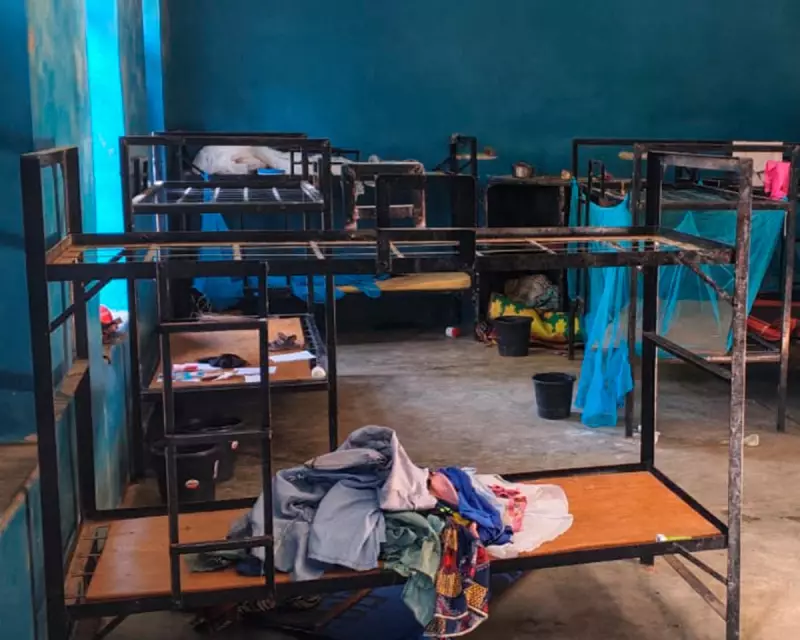
Mass Abduction Rocks Nigerian Education System
Security fears are escalating across Nigeria after gunmen kidnapped more than 300 students and teachers in one of the largest mass abductions in the country's history. The attack occurred early Friday at St Mary's co-educational school in Niger state, western Nigeria, marking the second major school kidnapping within a week.
Rising Tide of Violence
The Christian Association of Nigeria initially reported 227 people seized but revised the figure to 303 students and 12 teachers following a verification exercise. The number represents almost half the school's total student population of 629. The abducted children range in age from eight to eighteen years old.
This devastating incident follows another attack on Monday when armed men stormed a secondary school in neighbouring Kebbi state, abducting 25 girls. The wave of violence continued with a separate attack on a church in western Nigeria on Tuesday, where gunmen killed two people during a service and reportedly abducted dozens of worshippers.
Government Response and International Concern
Niger state governor Mohammed Umar Bago confirmed that intelligence departments and police are conducting head counts while announcing the closure of all schools in his state. The education ministry has extended this precautionary measure, ordering 47 boarding secondary schools nationwide to shut their doors.
President Bola Tinubu has cancelled international engagements, including attendance at the G20 summit in Johannesburg, to focus on resolving the crisis. The mass kidnappings have drawn international attention, particularly following US President Donald Trump's recent threat of military intervention over what he described as the killing of Christians by radical Islamists in Nigeria.
US Defence Secretary Pete Hegseth has called on Abuja to "take both urgent and enduring action to stop violence against Christians" during talks with Nigerian national security adviser Nuhu Ribadu.
Echoes of Past Tragedies
This latest mass kidnapping evokes painful memories of the Chibok abduction more than a decade ago, when Boko Haram jihadists kidnapped nearly 300 girls from northeastern Borno state. Some of those girls remain missing to this day.
In a disturbing account shared by CAN, a staff member from St Mary's described hearing motorcycles and cars before "serious bang, bang on different gates of the compound". She recalled children crying and a security guard groaning as the attackers operated aggressively for nearly three hours without interruption.
The local Catholic diocese confirmed the assailants moved systematically through dormitories during the extended raid. Meanwhile, parents like Stella Shaibu, a 40-year-old nurse collecting her daughter from a school in Bwari, expressed despair at the security situation, questioning how such a large-scale abduction could occur unchecked.
For years, heavily armed criminal gangs have conducted kidnappings for ransom in rural northwest and central Nigeria, where state presence remains minimal. Although no group has claimed responsibility for the latest attacks, bandit gangs frequently target schools in poorly secured rural areas.
Security analysts note with concern the increasing alliance between financially motivated bandits and jihadist groups from the north-east, complicating Nigeria's security landscape and threatening further instability across the region.