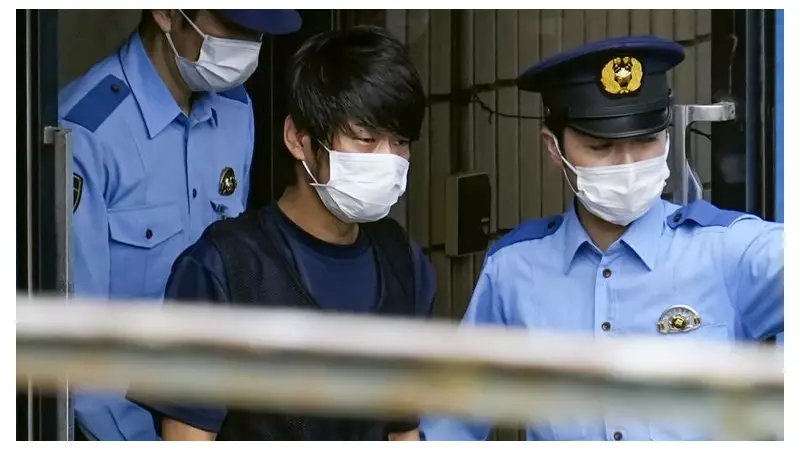
A Japanese court has handed down a life imprisonment sentence to the man convicted of assassinating former Prime Minister Shinzo Abe, marking a grim conclusion to a high-profile case that shocked the nation and reverberated globally.
Details of the Assassination and Trial
Tetsuya Yamagami, a 45-year-old individual, admitted to killing the conservative leader during a political rally on July 8, 2022. The attack occurred as Mr Abe was speaking outside a train station in Nara, where he was campaigning in support of the Liberal Democratic Party. Two gunshots were fired from a homemade weapon, causing Mr Abe to collapse while clutching his chest. Officials confirmed that he died almost instantly from the wounds.
This tragic event stands as the first assassination of a sitting or former Japanese premier since the 1930s, underscoring its unprecedented nature in the country's post-war history. The trial, which commenced in October, saw prosecutors vigorously arguing for a life sentence, describing the act as an "extremely grave incident" with far-reaching implications.
Motivation Behind the Attack
Throughout the legal proceedings, defence lawyers sought a reduced sentence, proposing a 20-year limit. They cited Yamagami's deep-seated grudge against the controversial Unification Church as a mitigating factor. Yamagami had previously disclosed to authorities that his mother's substantial donations to the church led to his family's financial ruin, a situation that fueled his resentment.
He further explained that his decision to target Mr Abe was triggered after viewing a video message the former leader had sent to a group affiliated with the church. According to public broadcaster NHK, Yamagami openly admitted to the charges during the trial, stating, "It is true that I did it."
Background on the Unification Church
The Unification Church, founded in South Korea in 1954, is widely recognised for its mass wedding ceremonies and has historically relied on Japanese followers as a significant source of income. However, the organisation has faced intense scrutiny and criticism from some families who allege that it manipulates members, often referred to as 'Moonies', into depleting their savings through coerced donations.
In response, the church maintains that such donations are a legitimate part of its religious activities. The fallout from Mr Abe's assassination prompted an internal investigation within the Liberal Democratic Party, revealing that over a hundred lawmakers had connections with the church. Subsequently, a Tokyo court ordered the Japanese branch of the Unification Church to disband last year, though the church has vowed to contest this ruling.
Broader Implications and Aftermath
The sentencing of Yamagami brings a measure of closure to a case that has highlighted vulnerabilities in political security and raised questions about the influence of religious groups in Japan. The incident has sparked ongoing debates about public safety, the regulation of extremist ideologies, and the need for greater transparency in political affiliations.
As Japan continues to grapple with the aftermath, this case serves as a stark reminder of the potential for personal grievances to escalate into acts of violence with national consequences. The life sentence underscores the judicial system's stance on such severe crimes, while the underlying issues related to the Unification Church remain a contentious topic in Japanese society.