Lebanese Family Mourns Daughter Killed by Israeli Bomb in South Lebanon
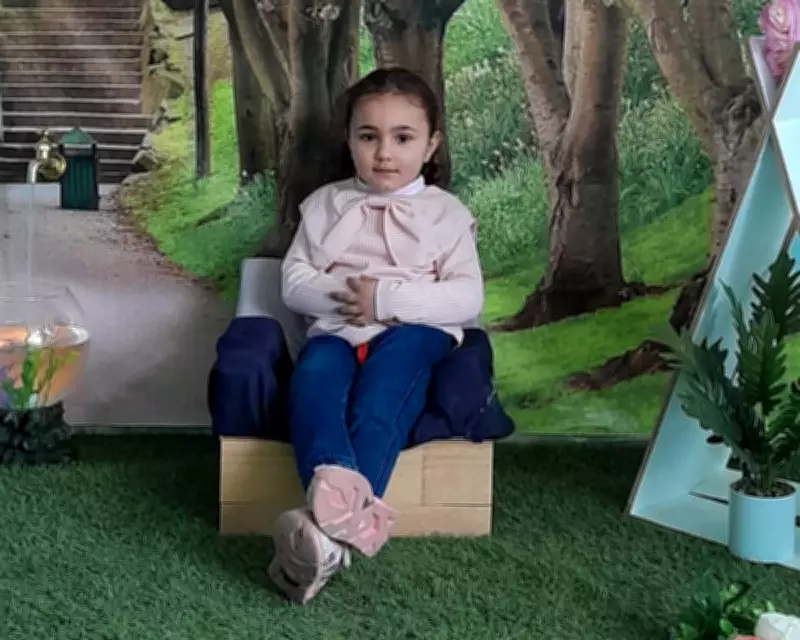
Rana Jaber had always dreamed of naming her daughter Narjis, which means daffodil in Arabic. After having twin boys, she finally welcomed her little girl in 2020. Narjis, with her light hair resembling her namesake flower, quickly became the center of her family's world. Her mother described her as wise beyond her years, a comforting presence who would soothe her when she cried.
The Final Moments Before Tragedy
On March 2, as Jaber frantically packed her children into their car to flee approaching Israeli bombs, six-year-old Narjis comforted her mother one last time. "Mama, you're my life. Don't cry, I love you so much," the little girl said as stress overwhelmed her mother. Those would be among the last words Jaber would hear from her daughter.
A few hours later, an Israeli bomb struck their family home in Maifadoun, south Lebanon. The explosion killed Narjis and her aunt instantly. Jaber and her two ten-year-old sons, Abbas and Ali, survived with mild injuries after being trapped under the rubble.
A Life Cut Short
"I keep replaying it. How our lives were torn apart. She was like a blossom. This girl ... Oh my heart is breaking. I still can't believe my daughter is gone," Jaber said through sobs. The 34-year-old mother remembers her daughter's aspirations vividly. "She wanted to be a doctor," Jaber recalled, showing pictures of Narjis proudly holding a papier-mache apple with a capital "A" in her classroom.
Narjis was among the first children killed in Lebanon since the conflict escalated on March 2, when Hezbollah launched rockets at Israel, triggering an Israeli military campaign. Since then, 120 other children in Lebanon have been killed by Israeli strikes, representing nearly 10% of all deaths in the country during this period.
The Ripple Effects of Trauma
The tragedy has left Jaber's family in profound shock. Her voice breaks whenever she mentions her daughter's name. Her sons' behavior has changed dramatically since losing their sister. Abbas frequently goes to the shop wanting to buy chocolates for Narjis, only to be reminded she's gone. Both boys now panic at loud noises, shaking and crying in fear.
"Their behaviour has changed. They do strange things now. My sons weren't like this before," Jaber explained. She plans to seek psychological treatment for her sons once the war ends, deeply concerned about the long-term trauma they've experienced.
Other Families Devastated
The Basma family experienced even more complete devastation. On March 14, an Israeli airstrike on their home in Nabatieh killed all six family members: mother, father, and four children. Neighbor Hussein Youssef, a close friend of the family, had warned them to flee but they couldn't afford prolonged displacement. The father worked as a painter and the family had exhausted their resources during the previous Hezbollah-Israel conflict in 2024.
"They were very kind, quiet, peaceful children. They were all very social kids in the neighbourhood, they brought life to the whole area," Youssef said. The deaths deeply affected his own children, who were classmates and close friends with the Basma children.
Psychological Impact on Lebanon's Children
Children growing up in Lebanon have now experienced two wars within just three years. Israeli bombing, while primarily targeting south Lebanon, has affected virtually all parts of the country, destroying any sense of safety for young people.
Dr. Rabih El Chammay, head of the national mental health programme at the Lebanese ministry of public health, warns about the severe consequences. "Children wake in fear, parents carry unbearable worry, and the hurt will echo for years, if not generations, after the bombs fall silent," he stated.
Experts confirm that exposure to violence in childhood can lead to developmental issues and antisocial behavioral problems later in life. The longer the conflict continues, the more severe and lasting these symptoms become.
A Mother's Unbearable Loss
For Jaber, the weight of Narjis's absence feels overwhelming. "She was different from all the other children. She would tell me: 'Mama, I want to sleep next to you. I want to sleep in your heart,'" Jaber recalled through tears. "She was incredibly kind, gentle. More than I can describe."
As the conflict continues, families across Lebanon grapple with similar losses and traumas, their lives forever altered by violence that has claimed the youngest and most vulnerable members of their communities.