Jordanian Authorities Deployed Israeli Digital Forensics Tool Against Pro-Gaza Activists, New Report Exposes
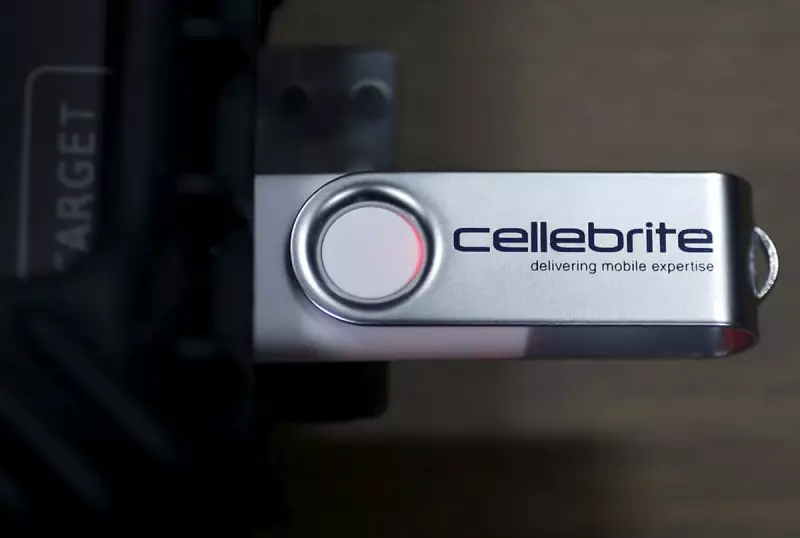
A comprehensive new investigation by the Citizen Lab has revealed with high confidence that Jordanian security authorities have been utilising an Israeli-made digital forensics tool to extract sensitive data from the mobile phones of activists and protesters who have voiced criticism of Israel and expressed support for Gaza. The report details a multiyear forensic analysis that points to the systematic use of Cellebrite UFED Touch devices against members of Jordanian civil society.
Forensic Evidence Points to Systematic Data Extraction
Researchers analysed four mobile phones belonging to Jordanian civil society members between January 2024 and June 2025. These individuals had all been detained, arrested, or interrogated by authorities, and forensic examination confirmed that each device had been subjected to data extraction using Cellebrite technology. The targeted individuals included two political activists, a student organiser, and a human rights defender, whose identities remain protected due to legitimate fears of reprisal.
When authorities gain physical access to a mobile phone, Cellebrite's forensic extraction tools can retrieve a vast array of personal data. This includes photos, videos, chat histories, saved files, passwords, location history, wifi connection records, phone usage logs, web browsing history, social media account information, and in certain cases, data that users believed they had permanently deleted.
Detailed Case Studies Reveal Disturbing Patterns
The Citizen Lab report provides specific examples of how Jordanian authorities employed these surveillance techniques. In one documented case, researchers examined the iPhone of a political activist whose device was seized following an interrogation by Jordan's general intelligence department. The phone remained in official custody for thirty-five days before being returned to its owner.
Another particularly concerning incident involved a student activist who refused to provide their phone passcode to officers. Authorities reportedly unlocked the device using Apple's Face ID technology by holding the phone up to the activist's face. The individual was imprisoned the following day, and upon eventual release, discovered their passcode written on a piece of tape attached to the back of their returned phone. Subsequent forensic analysis confirmed the device had been connected to external equipment attributed to Cellebrite, and had also established connections with a cybercrime unit in Amman while in state custody.
Potential Human Rights Treaty Violations Identified
The Citizen Lab, which specialises in investigating digital threats against civil society organisations, states that forensic evidence from previously seized devices, combined with court records shared with researchers, indicates that Jordanian authorities' use of Cellebrite technology "likely violated human rights treaties Jordan has ratified." Under the International Covenant on Civil and Political Rights (ICCPR), Jordan is legally obligated to maintain strict limitations on targeting political dissidents and civil society members with surveillance technology.
Cellebrite's Response and Global Pattern of Use
In a statement provided to the Guardian, a Cellebrite spokesperson distinguished their company's technology from spyware produced by firms like NSO Group, describing their tools as forensic in nature and designed to "access private data only in accordance with legal due process or with appropriate consent to aid investigations legally after an event has occurred." The spokesperson emphasised that Cellebrite vets potential customers against internal human rights parameters and has historically ceased business in jurisdictions where risks were deemed incompatible with corporate values.
The company further stated: "We take seriously all allegations of potential misuse of our technology in ways that would run counter to both explicit and implied conditions outlined in our end-user agreement. Once solid information is shared with Cellebrite, we review the allegations and take proactive precise steps to investigate each claim in accordance with our ethics and integrity policies."
The Jordanian government did not respond to requests for comment regarding these allegations. This incident follows established patterns of Cellebrite products being reportedly used to target civil society members in other regions, including Myanmar, Botswana, Serbia, and Belarus, raising broader concerns about the global deployment of such surveillance technologies.