Underground Detention: Israel's Secret Prison Facility
Israel is holding dozens of Palestinian detainees from Gaza in an underground prison where they are completely deprived of natural daylight and adequate food, according to exclusive information obtained by the Public Committee Against Torture in Israel (PCATI).
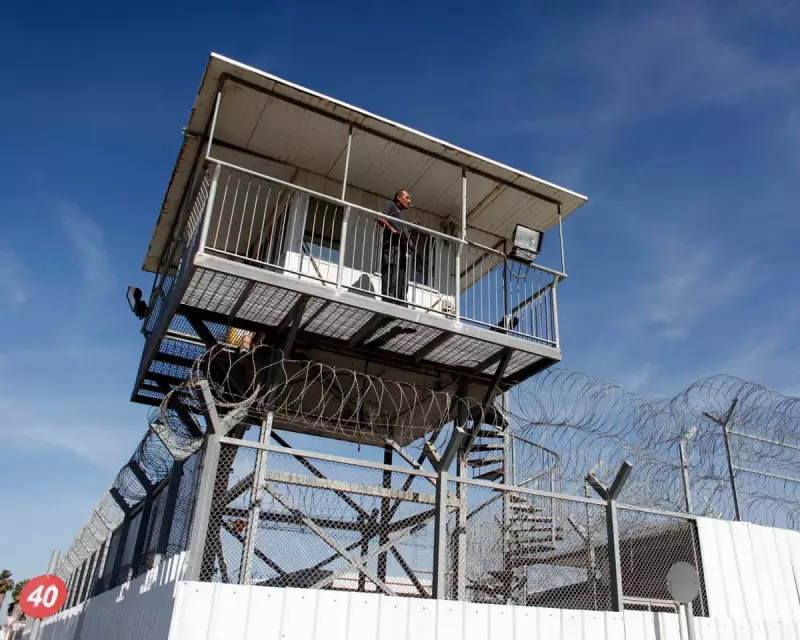
The subterranean Rakefet prison complex, located in Ramla south-east of Tel Aviv, has been reopened under the orders of far-right security minister Itamar Ben-Gvir in 2023 following the 7 October attacks. The facility had previously been closed in the 1980s after being deemed inhumane.
Civilian Detainees in Underground Cells
Among those held in the underground facility are two civilians detained without charge or trial: a 34-year-old nurse arrested while wearing his hospital scrubs in December 2023, and an 18-year-old food seller seized at an Israeli checkpoint in October 2024. Both men have been held in Rakefet since January without seeing daylight.

According to PCATI lawyers who visited the facility in September, the detainees described regular beatings and violence consistent with documented torture methods in other Israeli detention centres. The prison was originally designed in the early 1980s to house only 15 of Israel's most dangerous organised crime figures before closing in 1985.
Official data obtained by PCATI reveals that despite its original small capacity, approximately 100 detainees have been incarcerated at Rakefet in recent months.
Systematic Deprivation and Abuse
The conditions at Rakefet represent what human rights lawyers describe as a unique form of abuse. Tal Steiner, executive director of PCATI, explained that holding people underground without daylight for months has extreme implications for psychological health and affects basic biological functions including circadian rhythms and vitamin D production.
PCATI lawyers Janan Abdu and Saja Misherqi Baransi described being led underground by masked, heavily armed guards to a dirty meeting room where surveillance cameras violated attorney-client confidentiality. Guards threatened to cut meetings short if detainees discussed their families or the war in Gaza.
The detainees appeared bent over with guards forcing their heads to the ground, remaining shackled at their hands and feet throughout meetings. The nurse reportedly began his meeting by asking: "Where am I and why am I here?" - having never been told the prison's name.
Prisoners described windowless cells with no ventilation holding three or four detainees, regular physical abuse including beatings, attacks by muzzled dogs, and being given starvation-level rations. They have limited time outside cells in a tiny underground enclosure - sometimes just five minutes every other day.
Despite a ceasefire agreement in mid-October that saw Israel release 1,700 Palestinian detainees from Gaza held without charge, at least 1,000 others remain detained under the same legally contested conditions.
Ben-Gvir has publicly boasted about the prison's reopening, stating during a televised visit: "This is terrorists' natural place, under the ground." However, the two detainees represented by PCATI are civilians with no connection to militant activities.
The Israeli Prison Service stated it "operates in accordance with the law" but declined to comment on the status and identity of other prisoners held at Rakefet. Both the justice ministry and Israeli military referred questions about the facility to the IPS.