Israeli Public Support for Iran War Remains Strong Amid Global Opposition
While international support for Israel's conflict with Iran continues to wane, domestic backing within the Jewish state remains overwhelmingly strong. Recent polling indicates that more than 90% of Jewish Israelis support the ongoing military engagement, creating a dramatic contrast with global sentiment where opposition dominates.
The Domestic Reality of Conflict
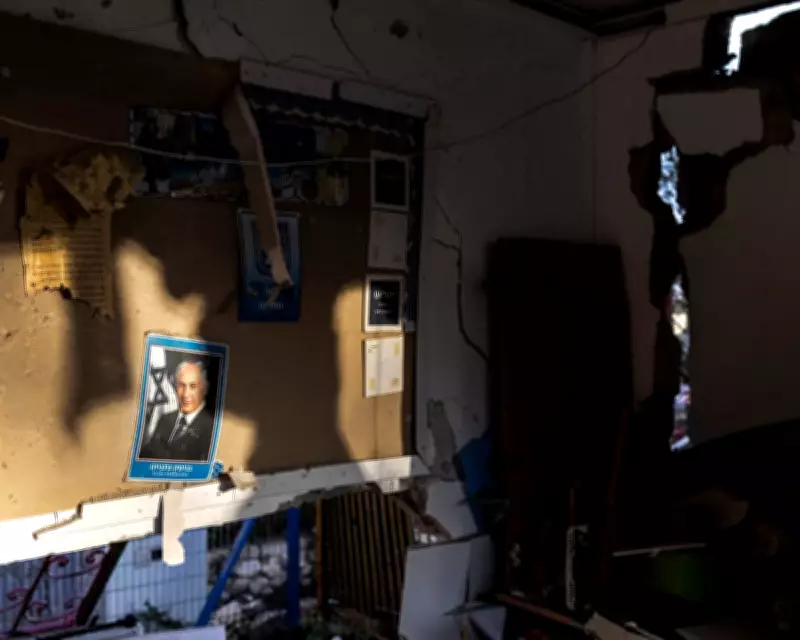
Since the conflict began in February, Israeli civilians have faced significant disruptions to daily life. At least fifteen people have been killed and hundreds more injured by Iranian missile attacks. School closures and regular missile warnings have become routine occurrences across the country.
Emma Graham-Harrison, the Guardian's chief Middle East correspondent based in Jerusalem, explains the Israeli perspective: "Many Jewish Israelis have concluded that an aggressive security policy is the only way to keep the country and loved ones safe, regardless of the international reaction to Israel's regional wars."
Life in Jerusalem reflects the ongoing tensions, with many residents working from home and restrictions affecting everything from cafes to gyms. The constant threat of missile attacks means citizens must remain vigilant, with just 90 seconds to reach shelters in Jerusalem and even less time in northern regions closer to rocket launch sites.
Political Implications for Netanyahu
Despite strong public support for the conflict, Prime Minister Benjamin Netanyahu has not experienced a corresponding resurgence in political fortunes. With the first general election since October 2023 approaching later this year, Netanyahu currently trails in opinion polls.
"There is majority support for Netanyahu's decision to launch this war with Iran and his handling of it, even among people who do not want to give him another term," Graham-Harrison notes. "With Gaza, polls show they didn't always think he was making decisions for security reasons. They thought his own personal considerations came into it. But on this, they trust him much more."
The prime minister faces additional challenges, including an ongoing corruption trial that has reportedly led him to seek intervention from former US President Donald Trump for a potential pre-emptive pardon from Israeli President Isaac Herzog.
International Isolation and Diplomatic Risks
The conflict has exposed significant fractures between Israel and its traditional allies. While 60% of the American public opposes the war with Iran, and just one in four supported the initial strikes, the diplomatic consequences extend beyond public opinion.
Graham-Harrison reports that some Israeli intelligence and military officials express concern about long-term damage to the crucial relationship with the United States. "Historically, Israel's foreign policy has been based on cultivating bipartisan ties. Netanyahu has effectively abandoned that to cultivate an extremely close relationship with Trump," she explains.
The growing isolation is particularly striking given Israel's historical security achievements through negotiated agreements with former adversaries like Jordan and Egypt. "The unwillingness to look at those examples or even really discuss them as positive things – insisting instead that the only route to security is through military power – is really dangerous and disturbing," Graham-Harrison observes.
Regional Disparities and Future Implications
The conflict experience varies significantly across different populations within Israel and occupied territories. Palestinian citizens of Israel are much less likely to have access to bomb shelters and show substantially lower support for the war compared to Jewish Israelis. In the West Bank, where Israel maintains military occupation, there are no warning sirens despite Israel's responsibility for civilian populations.
As the conflict continues, economic consequences are beginning to affect regional stability. The Gulf states, Europe, and Asia have shown widespread disapproval of the conflict, with potential long-term implications for Israel's international standing.
"Israel might be the only place in the world where there is broad support for this war," Graham-Harrison concludes. "No one else is really happy about it. The Americans certainly aren't. No one in the Gulf is. For people in Lebanon and Iran, this is horrific."
The situation represents a significant test for Israel's security strategy and diplomatic relationships, with potential consequences that could reshape Middle Eastern geopolitics for years to come.