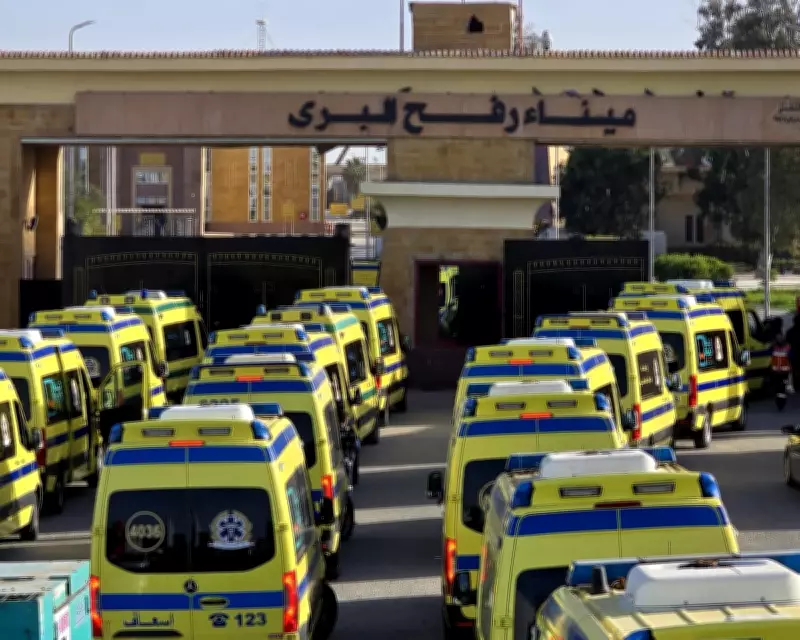
Israel has reopened the border crossing between Gaza and Egypt in a limited capacity, marking a significant development in the region's ongoing humanitarian and security situation. The Rafah crossing, which has been largely closed since May 2024, is now operational under strict coordination with Egypt and the European Union.
Security Protocols and Travel Restrictions
Cogat, the Israeli agency responsible for administering Gaza, confirmed the reopening and outlined the stringent security measures in place. The movement of Palestinians between Egypt and Gaza is permitted on foot only, with both Israel and Egypt imposing caps on the number of travellers allowed to cross. According to Cogat, all individuals must obtain prior security clearance from Israel before proceeding.
Multi-Stage Screening Process
The crossing process involves a detailed screening protocol to ensure security. Initially, identification and screening are conducted by the EU mission at the border. Following this, travellers undergo another screening process at a designated corridor operated by the Israeli defence establishment in an area under IDF control. This multi-stage approach is designed to manage the flow of people while maintaining tight security oversight.
Humanitarian Needs and Medical Evacuations
Many of those hoping to leave Gaza are sick and wounded individuals in urgent need of medical care abroad. The Palestinian health ministry has reported that approximately 20,000 patients are currently waiting to exit Gaza for treatment. However, the reopening is expected to facilitate movement slowly, with Cogat anticipating residents moving in both directions, both entering and exiting Gaza.
Context of Recent Violence
The reopening of the Rafah border crossing occurs against a backdrop of escalating violence in Gaza. Over the weekend, Israel launched some of its deadliest strikes in months, resulting in the deaths of at least 30 Palestinians, including those seeking shelter in tent cities. Since the start of the ceasefire last October, Gaza's health ministry reports that more than 500 Palestinians have been killed by Israeli forces, highlighting the ongoing humanitarian crisis in the region.
This limited reopening represents a cautious step towards addressing both security concerns and the pressing medical needs of Gaza's population, but it underscores the complex and fragile nature of the situation on the ground.