
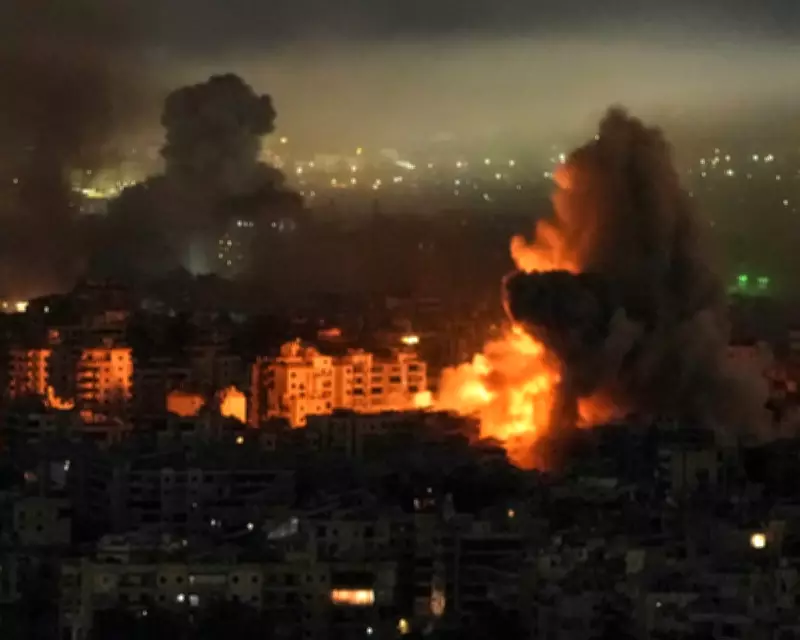
Israel Launches Major Military Strikes on Beirut and Southern Lebanon
In a significant escalation of regional hostilities, Israeli forces have initiated a series of intense bombardments targeting the Lebanese capital of Beirut and extensive areas of southern Lebanon. This military action is a direct response to heightened activities and provocations by the militant group Hezbollah, which operates extensively within Lebanese territory. The strikes mark a notable increase in the ongoing conflict between Israel and Hezbollah, with implications for regional stability and international diplomatic efforts.
Targeted Areas and Military Strategy
The Israeli military has focused its operations on key locations in Beirut, including infrastructure and sites associated with Hezbollah's command and control networks. Simultaneously, southern Lebanon has faced widespread bombardment, affecting residential areas, agricultural lands, and strategic positions. Israeli officials have stated that these actions are defensive measures aimed at neutralizing threats posed by Hezbollah's rocket attacks and cross-border incursions. The precision and scale of the strikes suggest a coordinated effort to degrade Hezbollah's operational capabilities and deter future aggression.
Hezbollah's Response and Regional Implications
Hezbollah has condemned the Israeli bombardments, vowing to retaliate with increased force and reaffirming its commitment to resisting Israeli actions. The group's leadership has called for solidarity among Lebanese factions and regional allies, potentially drawing other actors into the conflict. This escalation raises concerns about a broader regional war, as neighboring countries and international powers monitor the situation closely. Diplomatic channels are under strain, with calls for de-escalation from global organizations and foreign governments, but prospects for a swift resolution remain uncertain amid the volatile military engagements.
Humanitarian Impact and Civilian Casualties
The bombardments have resulted in significant humanitarian challenges, with reports of civilian casualties, displacement, and damage to critical infrastructure such as hospitals, schools, and power grids. Aid organizations are mobilizing to provide emergency assistance, but access to affected areas is hampered by ongoing hostilities and security risks. The Lebanese government has appealed for international support to address the humanitarian crisis, emphasizing the need for protection of non-combatants and adherence to international law. The conflict's toll on civilians underscores the urgent need for humanitarian corridors and ceasefire negotiations.
International Reactions and Diplomatic Efforts
Global reactions to the Israeli bombardments have been mixed, with some nations expressing support for Israel's right to self-defense, while others criticize the actions as disproportionate and destabilizing. The United Nations has called for an immediate cessation of hostilities and renewed dialogue, but diplomatic initiatives face obstacles due to deep-seated political divisions and historical grievances. Regional powers, including Iran and Saudi Arabia, are closely involved, with their stances influencing the conflict's dynamics. The international community's ability to mediate effectively will be crucial in preventing further escalation and fostering a sustainable peace process.




