
Iran's Nuclear Ambition: A Decades-Long Quest for Sovereignty and Power
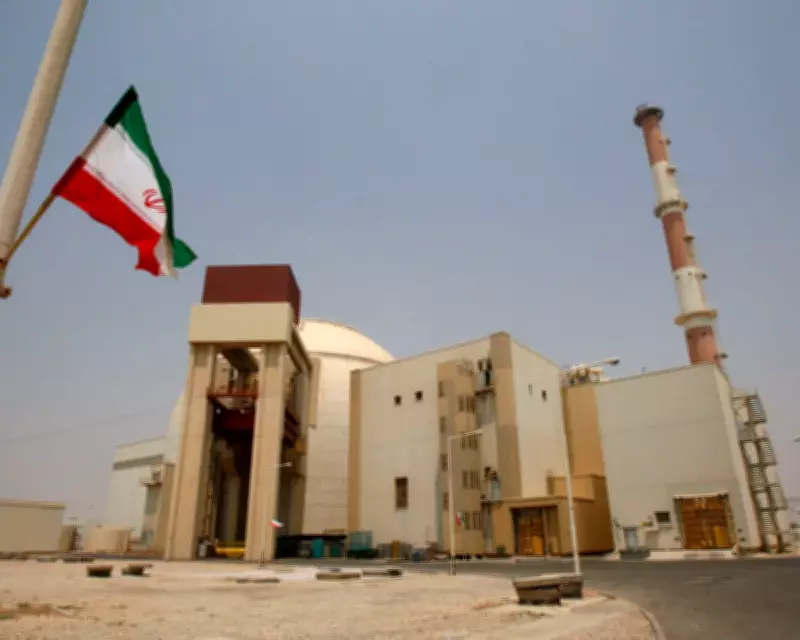
An Iranian flag waves prominently before the reactor building of the Bushehr nuclear power plant, situated just outside the southern city of Bushehr. This powerful image symbolises a national programme that has become a central point of international tension and ideological conviction.
The Ideological Foundation of Uranium Enrichment
A desperate effort to prevent war between the United States and Iran is currently underway, yet finding common ground regarding Tehran's nuclear activities has grown increasingly challenging. This difficulty stems from escalating American demands and Iran's profound, nationalist attachment to what it perceives as its sovereign right to enrich uranium.
Iran's nuclear ambitions significantly predate the establishment of the theocratic state in 1979. The origins can be traced to the mid-1970s when the Shah announced ambitious plans to construct twenty civil nuclear power stations. This announcement triggered a competitive rush among Western nations, including the United Kingdom, to participate. The then UK Energy Secretary, Tony Benn, played a notable role in these early engagements.
The programme's core has always been a drive for national sovereignty and technological independence, powerfully symbolised by the capability to enrich uranium domestically. However, the tremendous cost Iran has subsequently paid to exercise this right—through severe US sanctions, economic distress, and political instability—prompts serious questions about the nation's underlying motivations.
A Costly Principle and International Stalemate
When questioned in Tehran about the cost-benefit analysis of persisting with the nuclear programme, Foreign Minister Abbas Araghchi emphasised Iran's rights under the Nuclear Non-Proliferation Treaty, cited potential medical benefits, and invoked the memory of assassinated Iranian nuclear scientists. He proposed a potential compromise involving an international consortium, possibly including the US, conducting enrichment within Iran, but maintained that the principle of domestic enrichment remained non-negotiable.
Experts argue that seeking a purely rational explanation for this stance is futile. Ali Ansari, a professor of modern history at St Andrews University, describes the attachment as "deeply ideological, almost an obsession with national prestige." He suggests it serves political purposes by highlighting perceived Western unfairness, yet this refusal to compromise comes at the dire expense of Iran's economy and the welfare of its citizens.
The modern programme's foundation was laid in 1974, following a sharp rise in oil prices that enriched Iran. The Shah's vision was energy self-sufficiency, leading Iran to seek European, rather than American or Russian, investment and technical expertise. A proposed joint UK-Iran nuclear company, championed by Benn, even involved plans for Iran to master the full nuclear fuel cycle—a decision later regretted by US officials like Henry Kissinger.
From Breakthroughs to Red Lines
Since Iran began enriching uranium in 2006, its relations with the West have revolved almost entirely around this issue. The international debate has focused on the programme's ultimate purpose and the conditions under which Iran could enrich, including limits on purity levels and stockpile sizes.
The diplomatic journey has seen moments of potential resolution, such as Iran suspending enrichment in 2013, and periods of intense confrontation, particularly during the presidency of Mahmoud Ahmadinejad. By the time of the 2015 nuclear deal, Iran's mastery of civil nuclear technology had been elevated to an "absolute right" by its officials, with domestic enrichment declared a non-negotiable "red line."
Professor Ansari notes the irony that the programme, projected as a symbol of modernity, is largely inherited from the 1970s and remains years from significantly contributing to Iran's energy needs, especially given the country's vast solar potential. This leads to conclusions that the capability may serve as diplomatic leverage or preserve the option for a weapon.
Expanding Demands and Unshakeable Defence Doctrine
The situation has been further complicated by the US introducing additional demands beyond the nuclear file, including restrictions on Iran's missile programme and an end to support for regional proxy groups. Missiles have consistently formed the backbone of Iranian defence strategy.
The ideological framework within which Iranian negotiators operate was starkly illustrated when former President Hashemi Rafsanjani suggested the future belonged to dialogue, not missiles. He was swiftly rebuked by Supreme Leader Ali Khamenei, who asserted that in a "jungle-like world," defence power was essential to prevent even small countries from threatening Iran. This worldview continues to dominate Tehran's strategic thinking, making compromise exceptionally difficult and ensuring the nuclear programme remains a pivotal, and deeply contentious, element of Iran's national identity and international relations.




