As explosions illuminated the Tehran skyline during Israeli airstrikes this week, a contrasting scene unfolded by morning with joggers returning to Pardisan Park, symbolizing the Iranian population's determined effort to preserve ordinary life amidst escalating regional conflict. The days following Nowruz, the Persian New Year celebration marking spring's arrival, typically bring renewed energy to Iran's capital with blossoming trees and businesses reopening after holidays.
Daily Life Amidst Explosions
This year, however, Tehran residents navigate a precarious existence where the sounds of warfare punctuate attempts at normalcy. "More and more, people are starting to normalize this war," observed Farhad, a photography editor in Tehran. "It's difficult, but we're adapting and trying to return to our daily lives as much as possible. There's no alternative. We're tired. We just want peace."
While educational institutions remain shuttered since the conflict's onset, commercial establishments including shops, restaurants, and cafes have gradually resumed operations. The Iranian Human Rights Activists News Agency reports the official death toll has stagnated at approximately 1,500, though actual fatalities may exceed 3,000 with numerous additional injuries across the country.
Personal Stories of Survival
Aylar, a 39-year-old human rights worker, described the surreal experience of purchasing an expensive VPN to bypass government-imposed internet restrictions for international communication while simultaneously enjoying coffee and chocolate cake with friends on a deceptively pleasant spring day. "These conflicting realities are bizarre," she acknowledged, having initially sheltered in her apartment with cats during the war's early weeks.
For Azadeh, a 46-year-old researcher and cinematographer recently returned from doctoral studies in Turkey, violence struck terrifyingly close when an attack occurred merely 200 meters from where she stood with her pregnant sister. "I held her tightly in my arms to protect her from shrapnel and in that moment, I felt so helpless," she recounted from her Tehran home. "Every time I hear the sound of an explosion, I feel fear. But I also feel such a responsibility towards my family."
Educational Disruption and Exodus
The closure of academic institutions has triggered significant displacement, particularly among international students. Hasina, a 26-year-old Afghan medical student, described a "huge exodus" as she undertook an arduous train and bus journey from Tehran to Taliban-controlled Afghanistan. "It was sad and scary to leave, and it was difficult to return," she explained from Herat near the Iranian border, noting border complications for women traveling without male guardians.
Societal Divisions Deepen
Tehran remains profoundly polarized, with most Iranians opposing the conflict regardless of political affiliation, while some view the violence as potentially catalyzing the Islamic Republic's collapse. Following announcements regarding Ayatollah Ali Khamenei, spontaneous rooftop celebrations erupted with freedom chants, contrasting sharply with street vigils where government supporters recited prayers and waved national flags featuring the new supreme leader, Mojtaba Khamenei.
"Our society is divided," Farhad analyzed. "Some believe this war could lead to a free, democratic government backed by the US, while others dismiss this, pointing to the failures of the US across the region. At the same time, many are suffering and being killed."
Uncertain Future Patterns
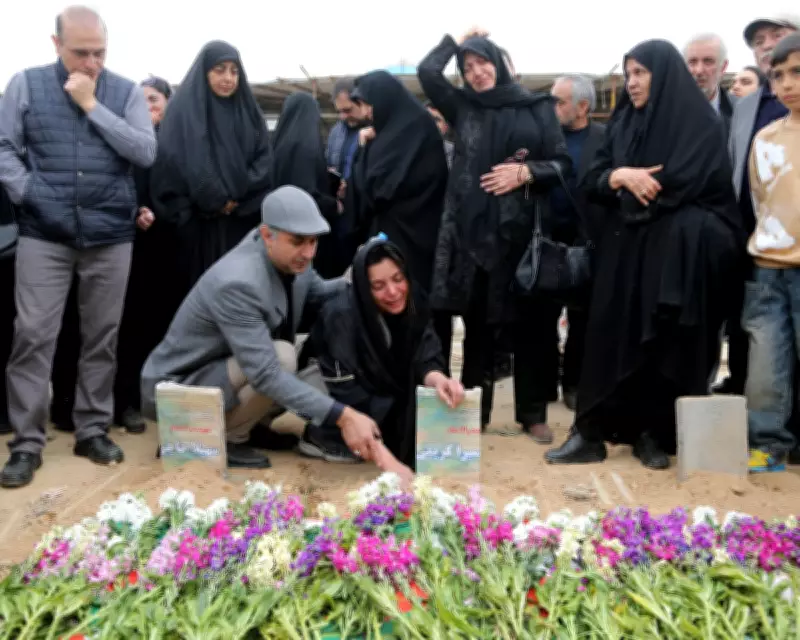
Many Iranians express concern about cyclical violence, with Abbas, a 41-year-old Tehran resident, noting: "We went through the 12-day war with Israel last year, and now we're under attack again. I worry this could become a pattern." As evening gatherings of pro-government supporters chant against America and Israel, the population continues balancing wartime realities with cultural traditions, including recent visits to Behesht-e Zahra cemetery during Eid al-Fitr's concluding days to honor deceased relatives.