The Tragic Death of a Teenage Rapper in Iran's Protest Crackdown
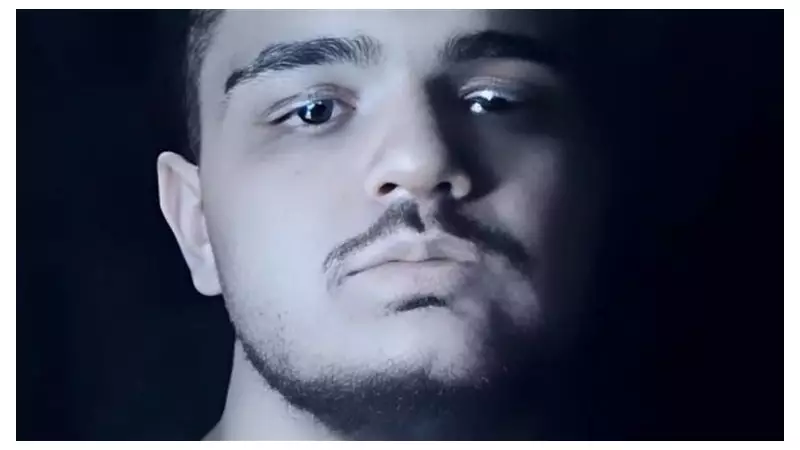
Abolfazl Yaghmouri was just seventeen years old when his life was brutally cut short during the Iranian regime's violent suppression of popular demonstrations. The aspiring musician, known for his heartfelt verses reflecting on personal struggles and societal pain, became another tragic casualty in a wave of unrest that has swept through the country.
A Dream Cut Short in Its Infancy
From a modest home studio constructed within a closet, Yaghmouri poured his emotions into music, rapping about reaching for greatness despite overwhelming challenges. "I'm not here on a trial run - I'm going to reach the peak - streets, nights, beats, they're my oxygen," he declared in one recording, showcasing the determination of a young artist from a working-class Tehran suburb.
His lyrics often touched upon themes of isolation and perseverance, with one poignant line stating: "The problems don't stop. I was there for everyone, but no one showed up for me." When protests erupted in his neighbourhood, the teenager felt compelled to add his voice to those demanding change—a decision that would ultimately prove fatal.
Forty Minutes of Agonising Suffering
According to his aunt Gita Yaghmouri, who resides in Toronto, Canada, the young rapper's final moments were marked by prolonged suffering and deliberate obstruction. "He fell on the ground, and he was bleeding for 40 minutes," she revealed during an emotional interview. "They didn't allow the crowd to come and help him… I still can't believe it, they've killed a 17-year-old kid."
The family had expressly warned Abolfazl against participating in the demonstrations on January 8th, particularly as authorities had severed internet connections and issued stern warnings about showing "no leniency" toward protesters. Despite these precautions, the teenager joined the crowds, disappearing into the chaotic streets.
A Harrowing Search and Gruesome Discovery
When Abolfazl failed to return home, his relatives embarked on a desperate search through police stations, detention centres, hospitals, and local clinics. Their efforts proved futile until his brother approached a morgue vehicle collecting bodies from the protest sites. Inside, among three corpses, lay the young rapper.
"He opened the body bag, and it was the face of his brother. He was shot in his heart with war bullets," Gita recounted, describing the traumatic identification process. Neighbours who witnessed the incident provided chilling details about the teenager's final moments, alleging that security forces continued to assault him as he bled profusely.
"The security forces were trying to hit him with anything that they had in their hands, with their boots, with the butt of their guns, with everything, while he was bleeding for 40 minutes, and he was gasping for life. And then, then he passed away," Gita explained, struggling to maintain composure.
Official Obstruction and the 'Bullet Tax' Demand
The family's ordeal continued as authorities reportedly refused to release Abolfazl's remains unless certain conditions were met. His body had been transported to Kahrizak mortuary, a facility described as a mass processing centre for protest victims, where images show rows of corpses covering warehouse floors as relatives search for missing loved ones.
According to his aunt, officials demanded that the parents sign documents falsely stating their son was a member of the Islamic Revolutionary Guards Corps killed by "terrorist protesters." When they refused, authorities allegedly requested monetary compensation—referred to by critics as a "bullet tax"—for the ammunition used.
"They didn't agree to sign that, so the authorities asked for money, and then they released the kid," Gita confirmed, acknowledging that this practice aligns with widespread allegations about the regime demanding payment for bullets used against demonstrators.
A Musical Legacy and Lingering Anguish
Abolfazl Yaghmouri leaves behind a digital catalogue of musical creations that showcase his talent and potential, though he has been denied the opportunity to develop his artistry further. For his aunt, who has lived in Canada for nine years, the tragedy has created an overwhelming sense of helplessness and survivor's guilt.
"I have everything, but I am not enjoying it. Because my people don't have it. It is very hard," she confessed, articulating the emotional burden carried by diaspora communities witnessing repression from afar. The case highlights the human cost of Iran's protest crackdowns and raises serious questions about accountability and human rights protections for young citizens expressing dissent through artistic and political channels.