Iran Dismisses US Ceasefire Proposal, Presents Counter-Plan Amid Heightened Tensions
In a significant development in the ongoing Middle East crisis, Iran has formally rejected a ceasefire plan proposed by the United States, instead submitting its own five-point negotiation framework. This move comes as intermediaries work to maintain open diplomatic channels between the two nations, despite escalating military actions across the region.
Diplomatic Standoff and Military Escalation
Iranian state television quoted an anonymous official stating that Tehran had dismissed the US proposal delivered via Pakistan, asserting that the war would end only when Iran decides and its conditions are met. Iranian Foreign Minister Abbas Araghchi later clarified that while the proposals had been forwarded to senior authorities, Iran currently has no intention of negotiating.
Contrastingly, former US President Donald Trump, speaking at a Washington fundraiser, insisted that Iran remains interested in reaching a deal, though he noted their fear of backlash from both their own populace and potential US actions. Trump remarked, "They are negotiating, by the way, and they want to make a deal so badly, but they’re afraid to say it because they figure they’ll be killed by their own people."
Regional Attacks and International Responses
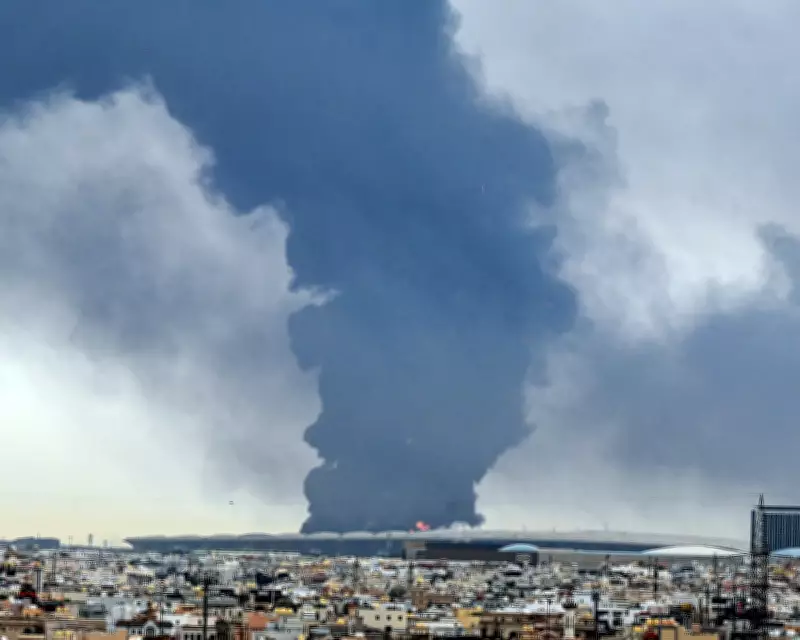
Amidst the diplomatic stalemate, military confrontations have intensified. Israel's military confirmed conducting widespread strikes across Iran, including in the central city of Isfahan, targeting infrastructure of what it termed the "Iranian terror regime." In retaliation, Iran launched drones and missiles at Israel and Gulf states, with one attack causing a massive fire at a fuel depot in Kuwait International Airport, as depicted in recent imagery.
Kuwait's Ministry of Interior announced the arrest of six individuals over an alleged Hezbollah plot to assassinate leaders in the Gulf state, highlighting the broader regional security concerns. The US military reported hitting over 10,000 targets in the conflict, significantly damaging Iran's naval and missile capabilities.
Iran's Five-Point Plan and US Reactions
Iran's counter-proposal includes demands for an end to hostilities, cessation of assassinations of its officials, guarantees against future wars, reparations for the current conflict, and continued Iranian control over the Strait of Hormuz. White House Press Secretary Karoline Leavitt indicated that discussions are ongoing and productive, stating, "It became clear that Iran wants to talk and President Trump is willing to listen." She reaffirmed the US commitment to a four- to six-week timeline for ending the war, terming it a "resounding victory" so far.
Broader Implications and Domestic Pressures
The conflict has spurred international calls for dialogue, with China's Foreign Minister Wang Yi urging peace talks during calls with Turkish and Egyptian counterparts. However, Iranian officials express skepticism, citing past attacks during negotiations and concerns for the safety of their representatives. Iranian Foreign Ministry spokesperson Esmail Baghaei noted, "We have a very catastrophic experience with US diplomacy."
Domestically, pressure mounts on Trump as oil prices surge due to attacks on Gulf energy infrastructure and the virtual blockade of the Strait of Hormuz. A recent poll shows 59% of Americans believe the war has "gone too far," contributing to a drop in Trump's approval ratings. Meanwhile, Israel continues its offensive, targeting Hezbollah in Lebanon and advancing ground operations, with Iran insisting that any ceasefire must include an end to Israeli actions in Lebanon.
Future Negotiations and Strategic Moves
Egyptian and Pakistani officials suggest that in-person negotiations between the US and Iran could commence as early as Friday, with potential venues in Pakistan or Turkey. The White House has acknowledged this possibility but urged caution. Additionally, the US is reportedly considering plans to invade Iran's Kharg Island to pressure reopening of the Strait of Hormuz, a move Iran has vowed to counter with severe measures, including targeting shipping in the Red Sea.
As the situation evolves, the UN Secretary-General António Guterres has warned against replicating the Gaza conflict model in Lebanon, calling for a cessation of hostilities. The international community watches closely, hoping for a diplomatic breakthrough to avert further escalation in this volatile region.