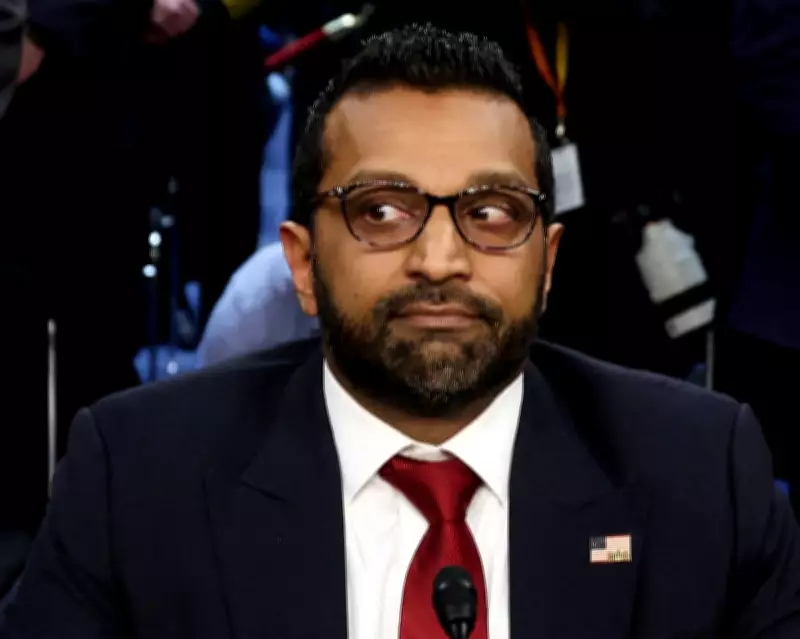
Iran-Linked Hackers Target FBI Director's Personal Email Inbox
In a significant cybersecurity incident, hackers associated with Iran have successfully breached the personal email account of Kash Patel, the director of the FBI. The attack resulted in the publication of photographs and documents on the internet, as confirmed by both the hacker group and the bureau on Friday. This breach highlights ongoing digital threats from state-linked actors amid geopolitical tensions.
Handala Hack Team Claims Responsibility for the Breach
The hacker group, known as the Handala Hack Team, announced on their website that Patel's name has been added to their list of successfully hacked victims. They published a series of personal photographs depicting Patel in various private moments, including sniffing and smoking cigars, riding in an antique convertible, and taking a selfie with a large bottle of rum. These images, along with other documents, were made publicly available, raising concerns about the security of personal accounts of high-profile officials.
The FBI has acknowledged the incident, with spokesperson Ben Williamson stating, "We have taken all necessary steps to mitigate potential risks associated with this activity." He emphasized that the compromised data was "historical in nature and involves no government information," suggesting that sensitive operational details were not exposed. However, the breach underscores vulnerabilities in personal email systems used by senior officials.
Historical Context and Broader Cyber Operations
Handala, which presents itself as a pro-Palestinian vigilante hacking group, is widely regarded by Western cybersecurity researchers as a persona used by Iranian government cyberintelligence units. This incident is part of a broader pattern of cyber operations by Iran-linked actors, who have become more vocal about their activities as conflicts in the Middle East persist. Recently, Handala claimed responsibility for hacking Michigan-based medical devices provider Stryker on March 11, alleging they deleted a significant amount of company data.
In addition to the Patel breach, Handala claimed on Thursday to have published personal data of dozens of employees at defense contractor Lockheed Martin stationed in the Middle East. Lockheed Martin responded by stating they are aware of the reports and have policies in place to mitigate cyber threats. These incidents reflect a strategic shift by Iranian hackers from low-profile operations to more publicized attacks aimed at embarrassing U.S. officials and organizations.
Analysis of the Breach and Its Implications
Gil Messing, chief of staff at Israeli cybersecurity firm Check Point, noted that the hack-and-leak operation against Patel is consistent with Iran's strategy to "make them feel vulnerable" and embarrass U.S. officials. He described the Iranians as "firing whatever they have," indicating a willingness to use available cyber tools in response to geopolitical events. This breach follows a U.S. intelligence assessment from March 2, which warned that Iran and its proxies might engage in low-level hacks against U.S. digital networks following the killing of Iranian Supreme Leader Ayatollah Ali Khamenei.
The emails published by Handala, totaling over 300 messages from 2010 to 2019, appear to include a mix of personal and work correspondence. While Reuters could not independently authenticate these messages, the personal Gmail address linked to Patel matches previous data breaches recorded by dark web intelligence firm District 4 Labs. Google, which operates Gmail, did not respond to requests for comment, highlighting challenges in securing personal email accounts against sophisticated attacks.
Historical Precedents and Future Threats
This incident is not isolated; similar breaches have targeted senior U.S. officials in the past. For example, hackers broke into the personal Gmail account of John Podesta, Hillary Clinton's campaign chair, ahead of the 2016 election, leading to data leaks on WikiLeaks. In 2015, teenage hackers accessed then-CIA director John Brennan's personal AOL account, leaking information about U.S. intelligence officials. These cases demonstrate that even relatively unsophisticated breaches can have significant repercussions.
Looking ahead, Iran-linked hackers may have additional data in reserve. Last year, a group using the pseudonym "Robert" told Reuters they were considering disclosing 100 gigabytes of data stolen from Susie Wiles, the White House's chief of staff, and other figures close to Donald Trump. While this claim remains unverified, it suggests that future leaks could target other high-profile individuals, potentially escalating cyber tensions between the U.S. and Iran.
The breach of Kash Patel's email serves as a stark reminder of the persistent cyber threats faced by government officials and the need for robust security measures to protect personal and professional communications from state-sponsored attacks.