ICE Agents Assigned to Winter Olympics Security Detail
In a significant development, US Immigration and Customs Enforcement (ICE) agents are set to have a security role at the upcoming Winter Olympics in Italy. This announcement comes amidst a major shift in the political landscape following the removal of a senior Trump administration figure from Minneapolis due to escalating public pressure.
Official Confirmation and Italian Backlash
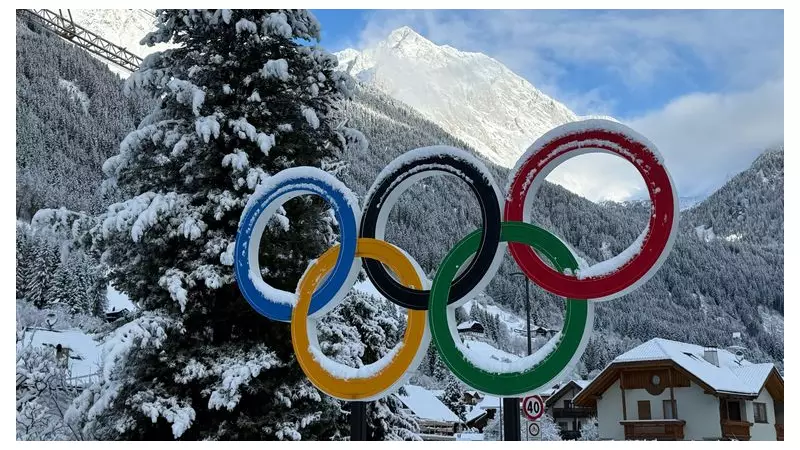
The Department for Homeland Security (DHS) has confirmed that ICE personnel will be present at the Milan Cortina Games. DHS Assistant Secretary Tricia McLaughlin emphasised that agents will not be conducting immigration enforcement operations on foreign soil. Instead, their role will involve supporting Italian authorities in vetting procedures and mitigating risks from transnational criminal organisations. All security operations will remain under Italian command.
However, this decision has provoked strong opposition within Italy. Milan's mayor, Giuseppe Sala, has publicly declared that ICE agents are not welcome in his city. In a radio interview with RTL Radio 102, Mayor Sala described ICE as "a militia that kills" and expressed concerns about their methods being incompatible with Italy's democratic security management. He questioned whether Italy could refuse the Trump administration's involvement, stating clearly that ICE officers should not come to Italy.
Minneapolis Context and Personnel Changes
This Olympic security development follows the removal of Gregory Bovino from his position in Minneapolis. According to senior White House officials, Bovino will be returning to a previous local role in El Centro, California. Sky's US correspondent Martha Kelner noted that Bovino had become the "public face" of Donald Trump's immigration crackdown, overseeing Border Patrol agents making immigration arrests in US cities.
The change comes amid widespread backlash over the fatal shooting of Alex Pretti, a 37-year-old nurse and US citizen, during an altercation with ICE agents. This incident marked the second such death in Minneapolis this month, following the killing of Renee Good. Protesters gathered outside Bovino's hotel as news of his departure emerged, facing off with federal officers in tense confrontations.
Political Repercussions and Changing Tone
There has been a noticeable change in tone from the White House regarding the Minneapolis situation, including from President Trump himself. NBC News reports that Trump has expressed concern about the sustainability of the operation, with one Republican politician noting that "the visuals were not playing well" and that the president understands television optics.
Trump has held telephone conversations with Minneapolis Mayor Jacob Frey and Minnesota Governor Tim Walz, both Democrats who have called for ICE to leave Minneapolis. The president described these discussions positively, suggesting "lots of progress is being made" and that they seemed to be on a similar wavelength.
Broader Political Fallout
The Minneapolis incidents have created divisions within Republican ranks. Senator Ted Cruz has encouraged the administration to adopt a more measured approach, while former Trump ally Marjorie Taylor Greene has condemned the scenes in Minneapolis. The crisis has even prompted Republican lawyer Chris Madel to withdraw from the Minnesota governor race, citing concerns about ICE's expanded operations.
In a video message, Madel argued that ICE's programme had "expanded far beyond its stated focus on true public safety threats" and that US citizens, particularly people of colour, were living in fear. He criticised the authorisation for agents to raid homes using civil warrants signed only by border patrol agents, calling this practice unconstitutional.
Despite these developments, administration officials speaking to NBC News insist that President Trump remains committed to cracking down on immigration and fraud. The assignment of ICE agents to Olympic security duties represents a continuation of this approach, albeit in an international context that has already sparked diplomatic tensions.