Houthis Enter Israel-Iran Conflict with First Direct Attack
Yemen's Iran-aligned Houthi rebels have confirmed launching their first attack on Israel since the outbreak of the Israel-US war against Iran, marking a significant expansion of the conflict just hours after US Secretary of State Marco Rubio stated American military operations would conclude within "weeks, not months."
Escalating Regional Strikes and Conflicting Timelines
While Israel continued targeting locations across Iran's capital Tehran on Saturday, Israeli authorities identified what they described as a missile launched from Yemen. The Houthis stated their attack came in response to continued targeting of infrastructure in Iran, Lebanon, Iraq, and Palestinian territories, adding that their operations would persist until what they called "aggression" on all fronts ends.
Houthi involvement presents substantial risks of broadening the conflict, given their demonstrated ability to strike targets far beyond Yemen and disrupt critical shipping lanes around the Arabian Peninsula and Red Sea. Previously, they had conducted similar operations in support of Hamas following the October 7 attacks on Israel.
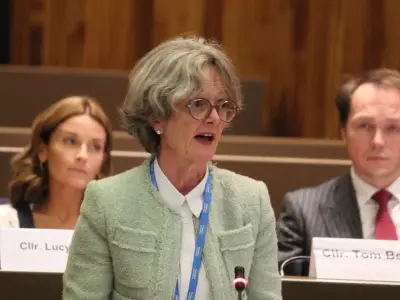
Speaking to reporters on Friday after meeting with G7 foreign ministers in France, Rubio declared regarding Iran: "When we are done with them here in the next couple weeks, they will be weaker than they've been in recent history."
Mounting Casualties and Conflicting Signals
Soon after Rubio's statement, US media reported an Iranian attack on Prince Sultan airbase in Saudi Arabia wounded at least twelve American soldiers, two seriously. The assault included at least one missile and several drones according to the New York Times and Wall Street Journal, citing unidentified officials.
The soldiers were inside a building when it was struck, with reports indicating several aerial refuelling planes also sustained damage. US officials have provided conflicting signals about how long they anticipate continuing their joint offensive with Israel against Iran, which began with a surprise strike on February 28 that killed Iran's supreme leader, Ali Khamenei.
Iran remains defiant, denying former President Donald Trump's claims that negotiations are "going well" and asserting no talks are occurring. Meanwhile, Trump's envoy Steve Witkoff stated on Friday: "We think there will be meetings [with Iran] this week. We're certainly hopeful for it."
Expanding Military Operations and Economic Threats
In Beirut, a pre-dawn Israeli strike killed two people according to local authorities, while barrages of Iranian missiles and drones targeted Israel. Israeli Defense Minister Israel Katz warned: "Despite the warnings, the firing continues. And therefore attacks in Iran will escalate and expand to additional targets and areas that assist the regime in building and operating weapons against Israeli citizens."
Israel's most recent strikes targeted nuclear facilities in Iran on Friday, possibly attempting to hit strategically important targets before potential White House pressure to halt or reduce sorties. With stock markets reeling and economic fallout extending beyond the Middle East, Trump faces growing pressure due to Iran's continuing control over the Strait of Hormuz, through which approximately one-fifth of global oil typically passes.
The Islamic Revolutionary Guard Corps announced it had turned back three ships attempting to transit the strait, declaring all shipping "to and from ports of allies and supporters of the Israeli-American enemies" was prohibited from passing.
International Response and Humanitarian Crisis
Rubio emphasized that ensuring the Strait of Hormuz remains open to shipping would likely pose an "immediate challenge" even after the US accomplishes its military objectives in Iran. He warned Iran might seek to establish a toll on the strait, which could cause significant economic damage to numerous countries.
"Not only is this illegal, it's unacceptable ... and it's important that the world have a plan," Rubio stated, noting the UK was taking a "prominent role" in efforts to reopen the waterway.
The US has deployed thousands of marines and elite airborne troops to the region, possibly preparing for military efforts to forcibly reopen the strait by seizing islands in the Gulf or Kharg Island, Iran's principal oil export hub.
On Friday, Iranian Vice President Esmael Saghab Esfahani threatened to attack Saudi Arabia's Red Sea port of Yanbu and the vast coastal Fujairah oil complex in the United Arab Emirates should any ground invasion occur.
Nuclear Facilities Targeted and Casualty Counts
Trump has issued Iran an ultimatum, stating that if free passage through the strait isn't allowed by April 6, he will order destruction of Iran's energy plants. Israel targeted sites associated with Iran's nuclear program on Friday, including a heavy-water plant and yellowcake production facility according to Iranian news agencies.
Iran's Atomic Energy Organization confirmed the Shahid Khondab heavy-water complex in Arak and Ardakan yellowcake production plant in Yazd province were targeted, though no casualties or contamination risks were reported.
Other US and Israeli strikes continued targeting Iran's missile stockpile and launchers, with Israel's military stating attacks hit sites "in the heart of Tehran" where ballistic missiles and weapons were produced, plus missile launchers and storage sites in western Iran.
Reuters reported US intelligence could only confirm approximately one-third of Iran's missile arsenal had been destroyed, with similar estimates for drone capabilities. Iranian missile and drone strikes have continued at consistent levels, with between ten and twenty targeting Israel daily.
Humanitarian Toll and Diplomatic Efforts
Casualties continue mounting across the Middle East. Nineteen people have died in Israel, while four Israeli soldiers were killed in Lebanon. Thirteen US military members have died, along with civilians on land and sea in the Gulf region.
In Iran, more than 1,900 people have been killed and at least 20,000 injured according to Maria Martinez of the International Federation of Red Cross and Red Crescent Societies. In Lebanon, Israeli military operations have displaced one-fifth of the population, with nearly 1,100 killed following attacks on Israel by Hezbollah.
Both Israel and the US state they aim to ensure Iran can no longer threaten Israel with ballistic missiles, its nuclear program, or through allied organizations like Hezbollah, though officials have recently downplayed more ambitious regime change objectives.
New data from conflict monitor ACLED shows more than 850 pro-regime demonstrations and protests in Iran since the war began, suggesting Iranian leaders can still mobilize significant support despite losses.
Rubio stated Iran had sent "messages" but not responded to Washington's 15-point proposal, which includes demands ranging from dismantling Iran's nuclear program to curbing missile development and effectively handing over control of the Strait of Hormuz.
An Iranian official told Reuters senior officials reviewed the proposal and felt it served only US and Israeli interests, though diplomacy hadn't ended. In a joint statement, G7 foreign ministers "reiterated the absolute necessity to permanently restore safe and toll-free freedom of navigation in the strait of Hormuz" and called for "an immediate cessation of attacks against civilians and civilian infrastructure."