HMS Dragon's Delayed Deployment to Cyprus: A Critical Analysis
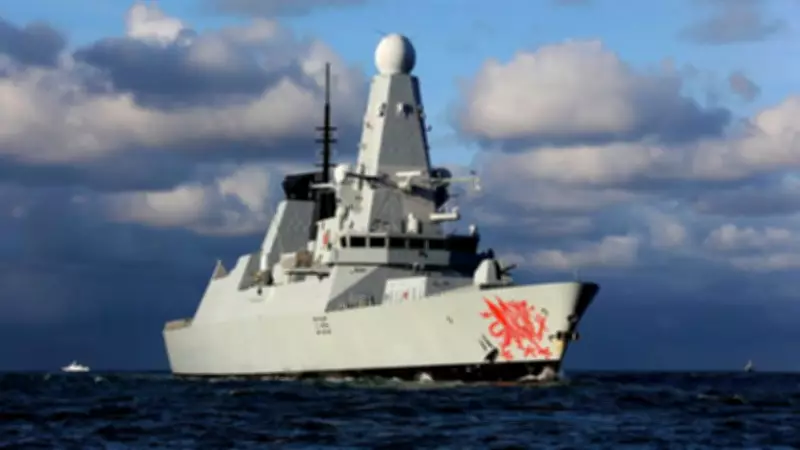
The Royal Navy's HMS Dragon has finally departed Portsmouth, embarking on a mission to protect the UK's airbase in Cyprus from aerial threats. However, this deployment comes over a week after RAF Akrotiri was struck by a drone, raising serious questions about the timing and readiness of Britain's naval forces. Former Royal Navy commander and defence analyst Tom Sharpe OBE has pinpointed two primary reasons for the delay, asserting that neither reflects well on the UK's defence capabilities.
Defence Spending Decline and Fleet Shortages
According to Mr Sharpe, the first reason stems from a 30-year decline in defence spending, exacerbated by austerity measures during David Cameron's premiership. He highlighted the 2010 strategic defence review and subsequent Tory government policies that froze new warship orders, leaving the Navy's cupboard very bare. With only seven frigates and six destroyers currently operational, and a rule of three for maintenance, operations, and training, the Royal Navy is stretched thin. Mr Sharpe noted that just two destroyers are seaworthy at present, neither on immediate standby, making the fleet wafer thin in critical areas like anti-submarine and air defence.
Government Decision-Making Failures
The second factor, Mr Sharpe argues, lies with government indecision. Ministers failed to act promptly despite clear signals, such as US military buildups near Iran, that a Type 45 destroyer like HMS Dragon was needed. The decision-making process between the Navy and Number 10 went badly wrong, delaying deployment. This hesitation reflects a broader nervousness about using precious assets, as early deployment could compromise future operations due to maintenance needs.

Operational Details and Future Scenarios
HMS Dragon, with its 200-strong crew eager for action, is equipped with advanced systems like the Sampson radar and Sea Viper missiles to counter drones and missiles. The journey to Cyprus could take 6.5 to 11 days, depending on conditions. However, there's a chance the ship might arrive too late or be redirected, such as to help secure the Strait of Hormuz. Mr Sharpe warned that the warship could end up surplus to requirements if the conflict subsides, underscoring the risks of delayed action in modern warfare.