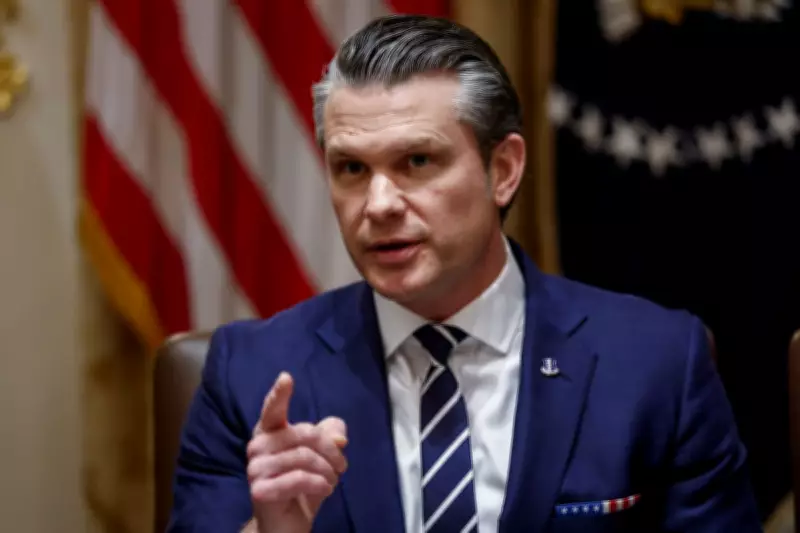
Pete Hegseth's Military Promotion List Sparks Outrage Over Diversity Cuts
In a move that has sent shockwaves through the defense community, Pete Hegseth, a prominent conservative commentator and former military officer, has reportedly removed Black men and women from a key military promotion list. This controversial decision has ignited a fierce and polarizing debate over the balance between merit-based advancement and diversity initiatives within the armed forces.
Details of the Controversial List
The promotion list in question, which was intended to highlight candidates for senior roles, originally included several qualified Black service members. According to sources familiar with the matter, Hegseth personally intervened to strike these names from consideration. His actions were allegedly based on a belief that diversity-focused policies have compromised the meritocratic principles traditionally upheld by the military.
This intervention has not occurred in a vacuum. It comes amid a broader national conversation about race, equity, and inclusion in American institutions, with the military often at the center of these discussions. Proponents of diversity argue that a representative officer corps strengthens national security by bringing varied perspectives and fostering trust within a diverse enlisted ranks.
Reactions and Broader Implications
The reaction from military advocacy groups and political figures has been swift and sharply divided. Civil rights organizations have condemned Hegseth's move as a blatant act of discrimination that undermines years of progress toward a more inclusive military. They argue that it sends a damaging message to Black service members about their value and career prospects within the institution.
Conversely, some conservative voices have rallied behind Hegseth, framing his actions as a necessary corrective to what they perceive as politically motivated promotion criteria that prioritize identity over proven capability and leadership. This stance highlights a deep ideological rift regarding how promotions should be determined in the nation's armed forces.
The controversy raises critical questions about the future of military leadership and the systemic processes that govern advancement. Experts note that such high-profile interventions can have a chilling effect, potentially discouraging qualified minority candidates from pursuing military careers or seeking promotion, thereby impacting the long-term diversity of the command structure.
As the debate intensifies, calls for transparency and a formal review of promotion protocols are growing louder. The outcome of this dispute may set a significant precedent for how the U.S. military navigates the complex intersection of merit, diversity, and political influence in the years to come.