
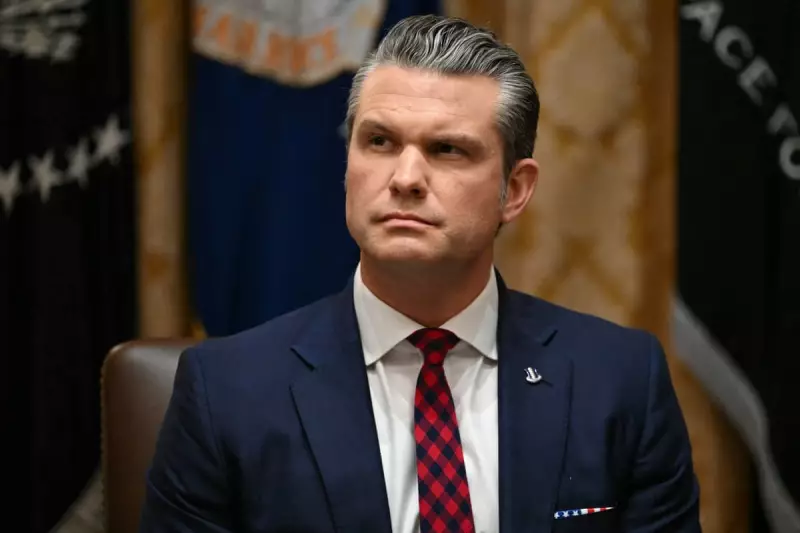
A damning investigation by the Pentagon's inspector general has concluded that US Defence Secretary Pete Hegseth broke departmental rules and potentially endangered American military personnel by sharing details of planned airstrikes in a private Signal group chat.
Report Details a Serious Security Breach
The unclassified report, released on Thursday, centred on events in March of this year. It found that Hegseth received a secure email from the head of US Central Command on the evening of 14 March, approximately 17 hours before strikes on Houthi targets in Yemen were set to begin on 15 March. This email contained secret operational details, including the means and timing of the attacks, and was not to be shared with foreign nationals.
Despite this, the investigation determined that at 11:44 pm on 15 March, Hegseth sent a message containing operational information to members of a Signal chat called 'Houthi PC Small Group'. He did this from his personal mobile phone while at his residence in Washington's Fort McNair, with his junior military assistant and personal communicator present.
The report stated that the information he shared matched details from the classified briefing. It warned that using a personal phone for official business and sending non-public Defence Department information via Signal "risks potential compromise of sensitive DoD information, which could cause harm to DoD personnel and mission objectives."
Political Fallout and Hegseth's Defence
The findings have triggered immediate political repercussions. Democratic Senator Mark Warner, vice-chair of the Senate intelligence committee, demanded Hegseth's resignation on Wednesday. "Our service members... expect and deserve leaders who honour the sacrifices they make every day to protect our nation and never put them at unnecessary risk," Warner stated, adding that the president should remove Hegseth if he does not step down.
Hegseth, however, has vehemently rejected the criticism. Taking to Twitter/X, he declared, "No classified information. Total exoneration. Case closed." He argued that the details he shared were either unclassified or that he had the authority to declassify them, creating what he called an "unclassified summary" for the chat participants.
Investigation Complications and Lasting Questions
The inspector general's inquiry faced hurdles due to the messaging app's features. The Defence Department provided only a partial copy of messages from the secretary's phone, as others had auto-deleted because of chat settings. This forced investigators to partially rely on a transcript of the messages published by The Atlantic magazine to piece together a full record.
The report underscores a significant breach of protocol at the highest level of the US defence establishment. While Hegseth claims exoneration, the official findings paint a clear picture of policy violations that compromised operational security, leaving his position under intense scrutiny and raising serious questions about the handling of sensitive military information.




