
Selective Advocacy: Gun Rights Groups' Diverging Responses to Police Shootings of Legal Gun Owners
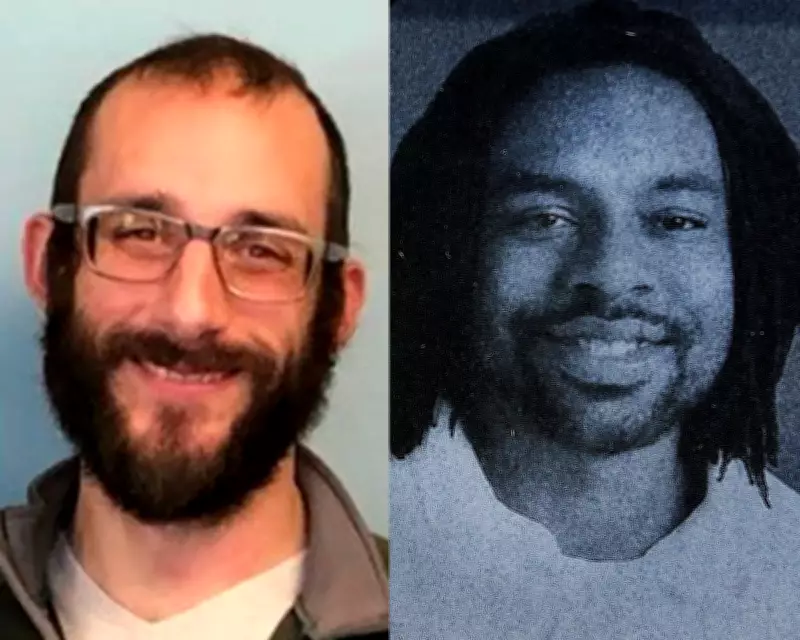
The fatal shooting of Alex Pretti by federal immigration agents in Minneapolis has ignited a complex debate within gun rights circles and Trump administration officials regarding Second Amendment protections during protests. This incident has brought into sharp focus the selective nature of advocacy within the firearms movement, particularly when compared to the 2016 killing of Black gun owner Philando Castile.
Immediate Outrage for Pretti's Case
In the immediate aftermath of Alex Pretti's death, numerous national and local gun rights organisations launched vigorous criticism against federal officials. Homeland Security Secretary Kristi Noem and senior border patrol official Gregory Bovino faced particular scrutiny for suggesting without evidence that Pretti's lawful handgun possession indicated malicious intent toward agents.
Prominent firearms advocacy groups including Gun Owners of America and the National Rifle Association demanded independent investigations while staunchly defending Pretti's constitutional right to carry a firearm. Their swift, unequivocal response marked a significant contrast to their handling of a similar case nearly a decade earlier.
The Stony Silence Surrounding Castile's Death
In July 2016, thirty-two-year-old Philando Castile was fatally shot by a police officer in St Anthony, Minnesota, a suburb of St Paul. The Black motorist had informed the officer during a traffic stop that he possessed a firearm for which he held a valid permit. Mere seconds after this disclosure, the officer fired five rounds into Castile's vehicle, killing him in front of his girlfriend and her four-year-old daughter.
At that time, the NRA stood as America's most influential gun rights organisation, actively campaigning to expand concealed carry permissions nationwide. Despite this positioning, their response to Castile's death proved remarkably restrained. Two days post-shooting, they issued a generic statement calling for investigation without mentioning Castile by name. The organisation maintained complete silence the following year when the officer responsible was acquitted of manslaughter charges.
Questioning the Discrepancy in Advocacy
Glenda Hatchett, who represented Castile's family in their civil lawsuit against St Anthony, expressed profound frustration at the gun rights community's muted response. "Gun rights advocates said nothing even though he was licensed to carry," she noted. "[Castile] said to the officer – very clearly – that he had a weapon. He said it voluntarily. Before he could even get his ID, [the officer] steps back and unloads his pistol in him."
Hatchett directly challenged what she perceived as organisational hypocrisy: "If you are advocating and you're saying that people have the right to carry then why were you silent?" She contends racial bias significantly influenced the differential treatment, asking pointedly: "If Philando had been white in the suburbs of Minneapolis, would they have said something?"
Local Organisations Break the Silence
While national groups remained quiet, some local firearms organisations did speak out regarding Castile's death. The Minnesota Gun Owners Caucus and Second Amendment Foundation both issued statements specifically naming Castile and describing his killing as "troubling" and "a tragedy."
Bryan Strawser, chair of the Minnesota Gun Owners Caucus, explained their decision to comment: "For Castile, who was killed 4 miles from my house, we made a statement because it was the right thing to do. There was a core moral issue." This local response highlights how geographical and community connections sometimes foster advocacy where national organisations remain passive.
Parallel Tragedies and Unanswered Questions
For Hatchett, witnessing the public response to Pretti's death triggered painful associations with both Castile's killing and the murder of George Floyd, whose death was similarly captured on camera and disseminated globally. "It brought back a flood of difficult memories for me," she recalled. "I immediately started having flashbacks to Philando and George Floyd."
The attorney emphasises the urgent need for legislative reform and improved training to prevent routine interactions between lawful gun owners and law enforcement from escalating into fatal encounters. "If we can't learn from these situations then what is the hope for the state and country?" she questions, highlighting the broader implications beyond individual tragedies.
The National Rifle Association declined to comment when approached by journalists regarding their response to Castile's killing, leaving unanswered questions about their selective advocacy patterns and the factors influencing which cases receive their vigorous support.




