Former Uvalde Police Officer Acquitted in Historic School Shooting Response Trial
In a landmark legal proceeding, former Uvalde schools police officer Adrian Gonzales has been acquitted of child endangerment charges related to his response during the 2022 Robb Elementary shooting. The verdict came after jurors deliberated for over seven hours in a Corpus Christi courtroom, marking the first criminal trial concerning law enforcement's hesitant actions during one of America's deadliest school attacks.
Emotional Courtroom Scenes Following Verdict
The 52-year-old Gonzales appeared to fight back tears and embraced his legal team after the not guilty verdict was announced. The trial had been moved hundreds of miles from Uvalde to Corpus Christi, where his attorneys argued a fair proceeding would have been impossible in the emotionally charged community directly affected by the tragedy.
Several family members of the 19 fourth-grade students and two teachers killed in the shooting sat silently in the courtroom, with some visibly crying or wiping away tears as the decision was read. The emotional weight of the proceedings was palpable throughout the nearly three-week trial.
Prosecution Arguments and Defense Strategy
Prosecutors had charged Gonzales with 29 counts of child abandonment and endangerment, representing each student killed and injured during the attack. Special prosecutor Bill Turner argued during closing arguments that officers have a special duty to protect children who cannot defend themselves, stating "If you have a duty to act, you can't stand by while a child is in imminent danger."
Defense attorneys countered that Gonzales arrived at a chaotic scene with rifle shots echoing across school grounds and never saw the gunman before the attacker entered the building. They maintained that three other officers who arrived moments later had better opportunities to intervene. Defense attorney Nico LaHood suggested prosecutors targeted Gonzales because "He was the lowest man on the totem pole. They thought he was easy pickings."
Broader Implications for Police Accountability
The trial represented an unusual case in American jurisprudence, with an officer facing criminal charges specifically for allegedly failing to stop a crime and protect lives. Graphic testimony included medical examiners describing fatal wounds to children and emotional accounts from surviving teachers who were shot during the attack.
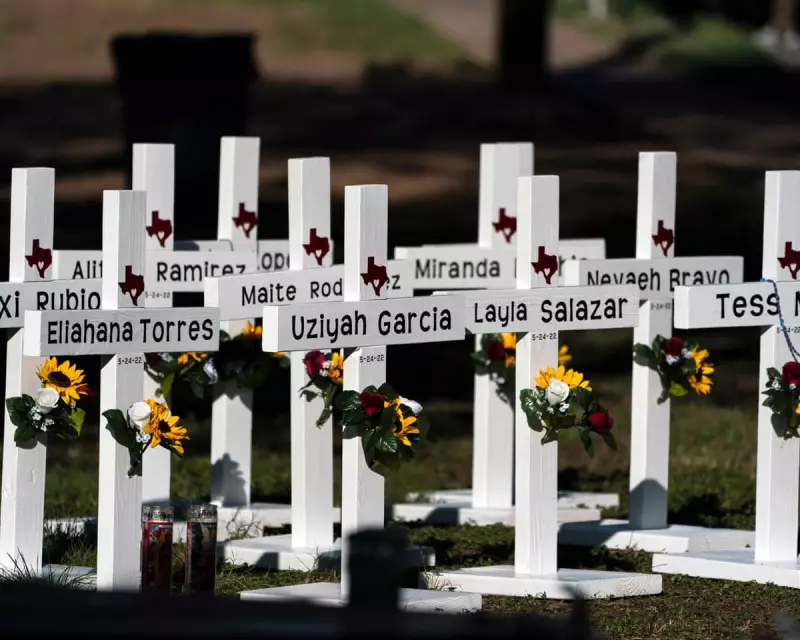
Jesse Rizo, whose 9-year-old niece Jackie Cazares was killed in the shooting, expressed frustration with the verdict but maintained hope for accountability, stating "Faith is fractured, but you never lose faith." He emphasized that "Those children in the cemetery can't speak for themselves" and expressed hope that the state would continue with the trial of former Uvalde schools police chief Pete Arredondo, the only other officer charged in connection with the police response.
Systemic Failures and Ongoing Investigations
The trial focused narrowly on Gonzales's actions during the early minutes of the attack, but broader investigations have revealed systemic problems. Both state and federal reviews identified cascading failures in law enforcement training, communication, leadership, and technology that contributed to the 77-minute delay before a tactical team finally entered the classroom to confront and kill the teenage gunman.
Despite 370 law enforcement officers responding to the scene, only two officers were ultimately indicted, leaving many victims' relatives questioning why more personnel weren't held accountable for the delayed response. The acquittal has raised questions about whether prosecutors will proceed with charges against Arredondo, whose attorney Paul Looney suggested the verdict might lead to the case being dropped.
As the community continues to grapple with the aftermath of the tragedy, this trial represents just one chapter in the ongoing examination of law enforcement protocols and accountability in school shooting responses across the United States.