Former Neo-Nazi Group Member Challenges Firearms Licence Revocation in Queensland Tribunal
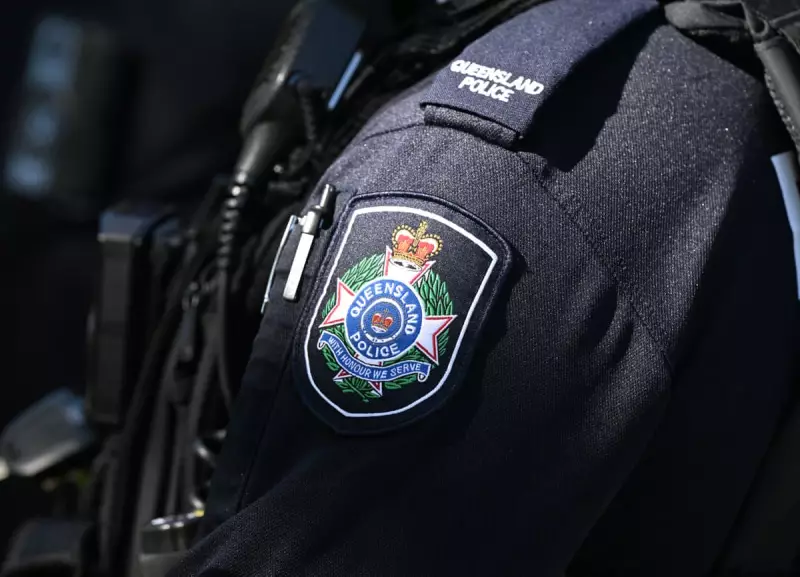
A former member of an Australian neo-Nazi organisation is appealing a police decision to revoke his weapons licence, arguing that his political views should not have been considered in the assessment. The case, heard by the Queensland Civil and Administrative Tribunal, centres on Joshua Ryan Hoath, a 27-year-old who was found in possession of 16 firearms and ammunition during a police search of his property.
Discovery of Firearms and Controversial Materials
During the tribunal proceedings, it was revealed that police conducted a search of Hoath's residence in March 2024. Officers discovered 16 firearms along with ammunition at the property. Additionally, police reported finding what they described as "a number of items of interest" including two copies of Adolf Hitler's Mein Kampf displayed on a bookshelf alongside other fascist publications.
The tribunal was presented with photographic evidence showing an A4-sized framed picture of Hoath being embraced by Gabriel Seymour, identified as the Queensland leader of the now-disbanded National Socialist Network. This photograph had been positioned on Hoath's bedside table. Further images submitted to the tribunal showed framed media articles about neo-Nazi events, with one bearing the number "14" in the corner - a common reference to white supremacist ideology.
Background and Group Membership
Hoath acknowledged during proceedings that he had been a member of the National Socialist Network for approximately 18 months prior to April 2024. He described the organisation as a neo-Nazi group but claimed his motivation for joining was primarily social, citing fitness activities and travel opportunities rather than ideological alignment.
The tribunal heard that Hoath had attended multiple demonstrations and protest events, including a gathering at Ipswich following the killing of Vyleen White. Police identified him as a member of another white supremacist organisation, the European Australian Movement, after this event, which ultimately led to the weapons search and subsequent licence revocation.
Legal Arguments and Constitutional Questions
Hoath's appeal makes several significant legal assertions, primarily focusing on constitutional rights. He argues that Queensland police infringed upon his implied right to freedom of political communication under the Australian Constitution. His application states: "In accordance with the Australia Constitution and High Court of Australia decided case law I have an implied right to freedom of political communication."
Furthermore, Hoath references the International Covenant on Civil and Political Rights, claiming rights to freedom of assembly and association. He contends that as an Australian citizen, his implied right to political communication extends to all matters of public affairs and political discussion, describing this right as "an indispensable part of the system of representative and responsible government created by the constitution."
Police Assessment and Criminal History
Queensland police revoked Hoath's firearms licence after determining he did not meet the "fit and proper person" test required under state law. The tribunal heard that Hoath has only one matter on his criminal record - a $400 on-the-spot fine issued in New South Wales during an Australia Day protest march in 2024. Hoath explained this fine resulted from "wilfully interfering with comfort or safety of others."
Procedural Developments and Future Hearings
Given that Hoath's application raises questions about constitutional interpretation, the tribunal has adjourned the matter to allow federal and state attorneys general to be notified. These officials may choose to intervene in the proceedings to provide submissions on the constitutional issues at stake, potentially setting significant precedents regarding the intersection of firearms regulation and political rights in Australia.
The case continues to develop as legal authorities consider whether political affiliations and expressions should factor into assessments of firearm licence eligibility, particularly when those expressions involve extremist ideologies.