The World Health Organization (WHO) has declared the Ebola outbreak in the Democratic Republic of the Congo (DRC) a public health emergency of international concern. This designation, the highest alarm level, signals a crisis that requires a coordinated global response. For the first time, WHO Director General Dr Tedros Adhanom Ghebreyesus made the declaration without a formal expert meeting, after consulting the DRC and Uganda governments and reviewing data.
Current Situation and Concerns
Hundreds of suspected cases and 131 suspected deaths have been reported in eastern DRC and possibly neighboring Uganda. Ebola is one of the deadliest infectious diseases, with symptoms ranging from fever and vomiting to internal bleeding and organ failure. Unlike most previous outbreaks caused by the Zaire variant, this outbreak involves the Bundibugyo variant, which lacks specific vaccines, treatments, or rapid diagnostics. Death rates are estimated at 30-40%.
Transmission and Control Challenges
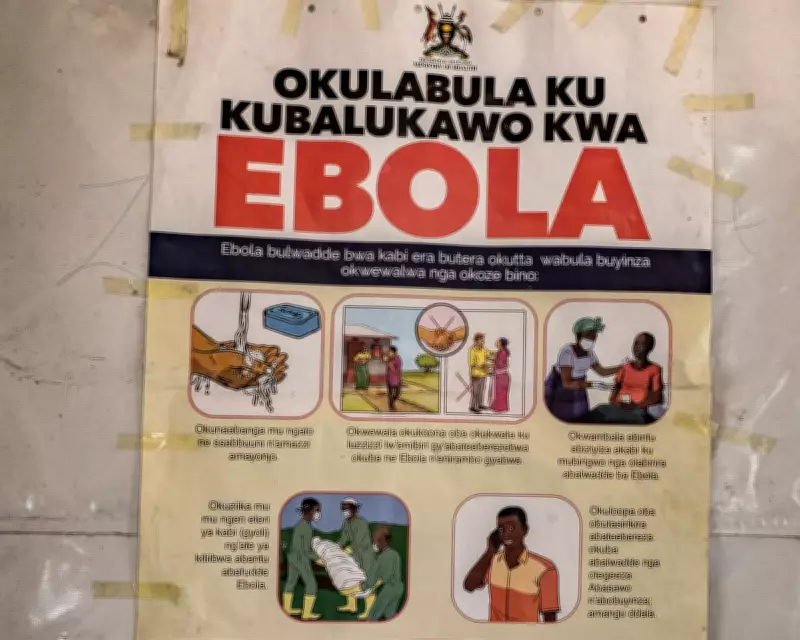
Ebola spreads through body fluids, putting healthcare workers and family members at highest risk. Controlling outbreaks requires personal protective equipment, contact tracing, and isolation. While past outbreaks have been contained, the DRC faces unique hurdles: the outbreak is in a conflict-affected mining region with low trust in authorities, making routine healthcare difficult. Existing vaccines for other variants may be used, but their effectiveness against Bundibugyo is uncertain, risking trust in future campaigns. The proximity to Uganda's border raises fears of spread to urban Kampala.
Impact of Aid Cuts
Foreign aid reductions have weakened preparedness. The 2014 West Africa outbreak relied on US leadership, but USAID's Ebola team was cut, and CDC funding for lab networks reduced. The US withdrawal from WHO has cut the emergency-response budget by 37% since 2024. UK aid is at its lowest in two decades. These cuts hinder rapid response and containment.
Why Global Action Matters
While a global pandemic is unlikely due to Ebola's transmission mode, the outbreak could devastate fragile healthcare systems in the region. During the West Africa outbreak, hundreds of healthcare workers died, leading to increased maternal and infant mortality and disrupted vaccination campaigns. The DRC and Uganda need international support to secure resources and stop the spread.
As Prof Devi Sridhar notes, "If your neighbour's house is on fire, you don't wait and watch. You help to put it out before the fire spreads to yours." The interconnected world demands cooperation to prevent this crisis from escalating.