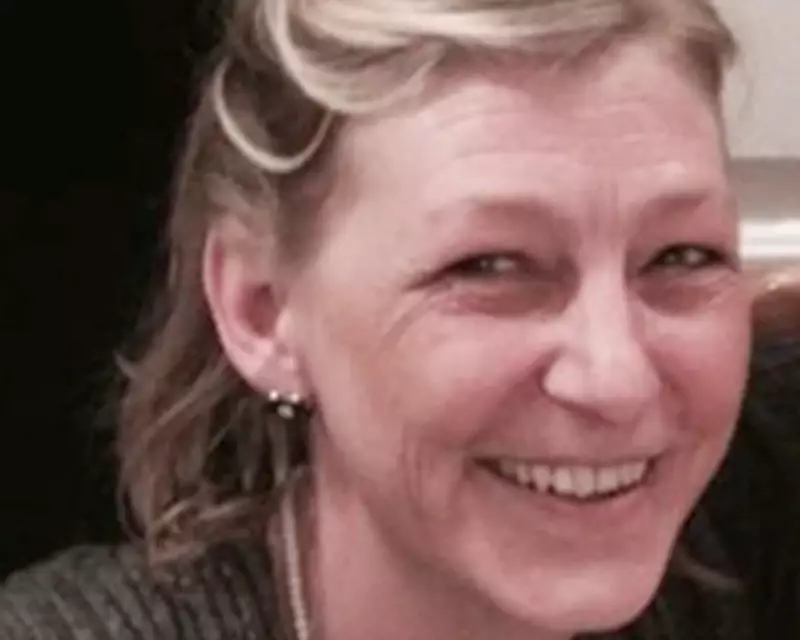
After a painful seven-year wait, the family of Dawn Sturgess say they can finally find closure and lay her to rest, following a landmark public inquiry that conclusively established her as the innocent victim of a Russian military intelligence operation on British soil.
A Father's Long Wait for Justice
Stan Sturgess, Dawn's father, expressed a profound sense of relief that the inquiry into his daughter's death has unequivocally cleared her name. Dawn Sturgess, 44, died in July 2018 after coming into contact with the military-grade nerve agent Novichok, which was stored in a discarded fake perfume bottle in Amesbury, Wiltshire.
"She has been public property for the last seven years. We've got her back now," Stan Sturgess said, describing his daughter as a "daddy's girl." He revealed that her ashes have remained at the Wiltshire village home he shares with his wife, Caroline, as the family felt unable to proceed with a funeral while the investigation was ongoing. "We'll be able to lay her to rest now this is over," he stated.
He emphasised the core finding that provided some solace: "The biggest thing we have got is that it wasn't Dawn's fault."
The Reckless Attack and a Tragic Mistake
The inquiry, chaired by Lord Hughes, detailed the chain of events that led to the tragedy. It concluded that Russian President Vladimir Putin must have authorised the attempted assassination of former Russian spy Sergei Skripal in Salisbury in March 2018, an attack using the same Novichok nerve agent.
Lord Hughes stated that the operatives from the GRU, Russia's military intelligence agency, acted with "astonishing recklessness" by deploying the toxin in a public space. The inquiry found that the agents, identified as Alexander Petrov, Ruslan Boshirov, and Sergey Fedotov, carelessly discarded the counterfeit perfume bottle containing the agent after the Salisbury attack.
This bottle was later found by Dawn Sturgess's boyfriend, Charlie Rowley, who gave it to her. On 30 June 2018, she sprayed the substance on herself at Rowley's Amesbury home, unknowingly exposing herself to the lethal chemical. The inquiry chair said Putin was "morally responsible" for her death.
Unanswered Questions and Lasting Pain
While the inquiry offered vindication, it also highlighted failures and ongoing anguish for the families affected. Stan Sturgess questioned whether sufficient lessons had been learned to prevent a future incident, noting, "The world's gone crazy. Someone like Skripal might come to the UK again. Would things be done differently?"
He also voiced enduring anger over the initial, false characterisation of his daughter by Wiltshire Police as a drug user, for which the force has apologised. "That was very hurtful," he said.
Charlie Rowley, who survived the poisoning, continues to suffer health effects, including blurry vision, double vision, and memory issues. He paid tribute to Sturgess, saying, "She was a lovely woman."
In response to the inquiry's publication, the UK government announced new sanctions against Russia and summoned the Russian ambassador. Prime Minister Keir Starmer called the findings "a grave reminder of the Kremlin's disregard for innocent lives."
For Stan Sturgess and his family, the long path to justice has reached its end, allowing them to reclaim their daughter's memory and finally say a private farewell.