
Britons purchasing cocaine on a Friday night could be unintentionally bankrolling Russia's military assault on Ukraine, according to a stark warning from the National Crime Agency.
The Billion-Pound Laundering Network
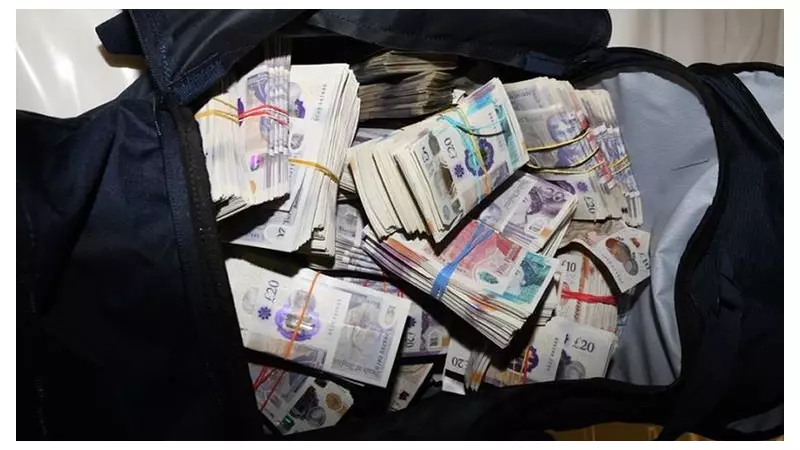
The National Crime Agency has uncovered a massive money laundering operation functioning across 28 towns and cities throughout the United Kingdom. This sophisticated network sees couriers collect vast amounts of 'dirty' cash generated from drug trafficking, firearms sales, and immigration crime.
This illicit money is then converted into cryptocurrency, creating a digital trail that officials confirm has a direct connection to 'geopolitical events causing suffering around the world'. The enterprise became public knowledge through Operation Destabilise, which has so far resulted in 128 arrests and the seizure of more than £25 million in both physical cash and digital assets.
From Bank Purchases to Motorway Warnings
According to the NCA, this criminal network operates on such an immense scale that it went as far as purchasing an entire bank to process payments supporting Russia's military operations and circumvent international sanctions.
In a direct effort to combat this threat, authorities have placed posters in motorway service station toilets specifically targeting the couriers. These warnings state it's 'just a matter of time' before they face arrest.
Sal Melki, the NCA's deputy director for economic crime, emphasised the significant danger posed by this laundering scheme. 'Cash couriers play an intrinsic role in this global scheme,' he stated. 'They are in our communities and making the criminal ecosystem function - because if you cannot profit from your crimes, why bother.'
Mr Melki further warned that these couriers receive minimal payment for the substantial risks they take, facing potential years in prison while their employers enjoy enormous profits. His message was clear: 'easy money leads to hard time', with even a few hundred pounds earned through money laundering potentially resulting in lengthy prison sentences.
Tracing Crypto and Global Impact
While cryptocurrencies are often perceived as anonymous havens for criminal activity, experts confirm these transactions can indeed be traced. Chainalysis, a company monitoring suspicious blockchain activity, provided insight into this process.
Madeleine Kennedy, Chainalysis's vice president of communications, told Sky News: 'Public blockchains are transparent by design, which makes cryptocurrencies a poor vehicle for money laundering.'
She explained that with appropriate tools, law enforcement can track illicit funds connected to drug trafficking, sanctions evasion, or cybercrime, using these insights to disrupt criminal networks and recover stolen assets.
Operation Destabilise has already made waves within criminal circles, with some network members becoming reluctant to operate in London. Those still involved in money laundering have begun charging higher fees, reflecting the increased difficulty of cleaning illegally obtained money.
The investigation's reach extends globally. Last December, an NCA-led international operation dismantled two networks whose money laundering activities affected 30 countries. Detectives described these networks as the invisible link between 'Russian elites, crypto-rich cybercriminals and drug gangs in the UK'.
One alleged ringleader, Russian national Ekatarina Zhdanova, remains in custody in France awaiting trial for separate financial offences.
Security minister Dan Jarvis reinforced the operation's importance, stating: 'This complex operation has exposed the corrupt tactics Russia used to avoid sanctions and fund its illegal war in Ukraine.'
He added: 'We are working tirelessly to detect, disrupt and prosecute anyone engaging in activity for a hostile foreign state. It will never be tolerated on our streets.'




