Australia's top intelligence official has issued a stark warning about Chinese state-sponsored hackers actively targeting the country's critical infrastructure networks.
Critical Systems Under Threat
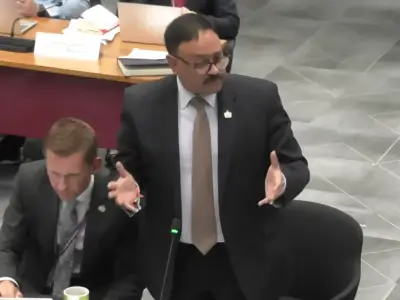
Mike Burgess, director-general of the Australian Security Intelligence Organisation (ASIO), revealed that hackers working for the Chinese military and government have been systematically probing Australia's key infrastructure and telecommunications systems. The spy chief emphasised that successful attacks could have devastating consequences for everyday Australians.
"Foreign governments have elite teams investigating these possibilities right now," Mr Burgess stated during his recent address. He detailed how Australians could face electricity and water supply disruptions alongside significant banking problems if hackers managed to cause widespread telecoms outages.

Substantial Economic Damage Already Occurring
The security chief quantified the scale of the espionage problem, revealing that foreign intelligence operations cost Australia an estimated A$12.5 billion (£6.2 billion) last year alone. This staggering figure includes billions in stolen trade secrets and intellectual property.
Mr Burgess specifically highlighted the activities of two Chinese hacking groups: Salt Typhoon and Volt Typhoon. He explained how Salt Typhoon had previously penetrated United States telecommunications systems with the clear intention of disrupting operations and positioning themselves for potential sabotage missions.
International Pattern of Behaviour
The warning follows similar concerns raised by American authorities in December, when Washington disclosed that China had hacked dozens of countries and at least eight major US telecommunications companies. The compromised firms included industry giants AT&T, Verizon and Lumen Technologies.
This sophisticated breach resulted in officials in Beijing gaining access to private texts and calls from a "large number" of American citizens, prompting US officials to urge Americans to use encrypted messaging apps to minimise interception risks.
While senior White House official Anne Neuberger stated that authorities didn't believe classified communications had been compromised, a senior US official described China's access as substantial enough to risk an "ongoing compromise" of systems.
Beyond infrastructure concerns, Burgess warned that Australian companies could be crippled by trade competitors stealing commercial secrets, and that even democratic processes like elections could potentially be affected by foreign interference.
Diplomatic Tensions and Denials
The Australian spy chief revealed that Chinese officials regularly complain to both the Australian government and private sector whenever ASIO speaks publicly about China's activities. "It won't stop my resolve," Burgess affirmed during his speech last week.
China's foreign ministry has consistently rejected these accusations, characterising Burgess's statements as spreading false narratives about Chinese cyber activities.
The ongoing security concerns demonstrate the delicate balancing act facing Australian Prime Minister Anthony Albanese, who must maintain crucial economic ties with China while addressing legitimate security threats to national infrastructure.
This isn't the first time Canberra has raised alarms about Chinese military activities in the region. Concerns emerged earlier this year in February when Chinese warships conducted live-fire drills with minimal warning in the Tasman Sea, forcing 49 commercial flights to alter their paths after Australian authorities were notified by a Virgin Australia pilot rather than through official channels.