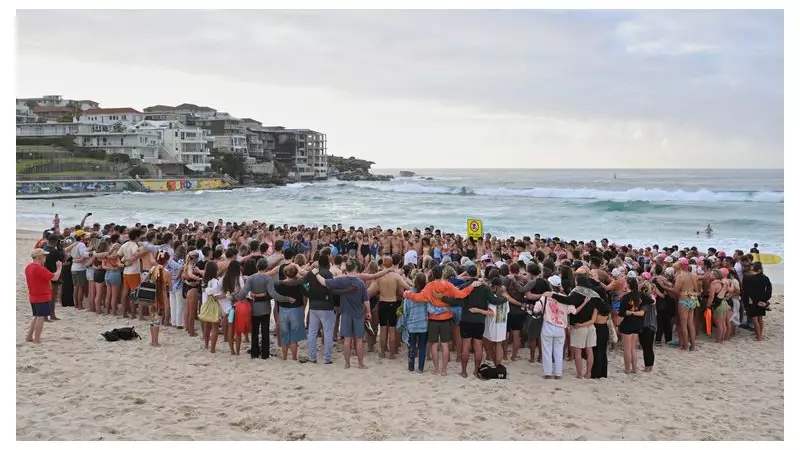
Australian police have formally charged a man in connection with the devastating mass shooting at Bondi Beach in Sydney, which claimed 15 lives and left a nation in mourning. The charges come as the first funerals are held for victims of the attack, which targeted a Jewish community event marking the start of Hanukkah.
Charges Laid as Community Gathers to Grieve
Naveed Akram, aged 24, has been charged with 59 offences, including a terrorism-related charge. He is alleged to be one of two gunmen responsible for the attack last Sunday. The other alleged attacker, his 50-year-old father Sajid Akram, died at the scene after being shot by police.
The charges were announced as mourners gathered for memorial services three days after the atrocity, which has intensified deep concerns about rising antisemitism both in Australia and globally. Some 22 people remain in hospital following the shooting.
The victims included:
- Eli Schlanger, 41, a British-born rabbi and father of five.
- Yaakov Levitan, secretary of a local Jewish group.
- Matilda, a 10-year-old girl whose family moved to Australia from Ukraine.
- Alexander Kleytman, 87, a Holocaust survivor.
- Boris and Sofia Gurman, a Russian-Jewish couple killed while confronting a gunman.
At a vigil, the father of young Matilda pleaded with the public: "We came here from Ukraine … and I thought that Matilda is the most Australian name that can ever exist. So just remember the name, remember her."
Investigation into Attackers' Motives and Means
Police have stated the two alleged gunmen were motivated by Islamic State ideology. Authorities are investigating a recent trip the pair took to the southern Philippines, with the elder Akram using an Indian passport and his son an Australian one to travel to Davao City, an area associated with Islamic extremism.
The attack has placed significant pressure on the Australian government and intelligence services over how the alleged attackers were legally able to acquire the high-powered rifles and shotguns used in the massacre. In response, Prime Minister Anthony Albanese has vowed to toughen the country's gun laws, which are facing their sternest test since the Port Arthur massacre nearly three decades ago.
Political Fallout and Pledged Reforms
The state parliament in New South Wales will reconvene next week to debate urgent gun law reforms. Proposed measures include capping the number of firearms a single person can own and restricting access to certain types of shotguns. State Premier Chris Minns described the task as "monumental," calling for "a summer of calm and togetherness, not division."
Mr Albanese has also pledged to work with the Jewish community to "stamp out and eradicate antisemitism," amid criticism his government has not done enough to combat its spread since the war in Gaza began two years ago. The attack has drawn reactions from global leaders, including UK Prime Minister Sir Keir Starmer and former US President Donald Trump, who expressed solidarity with the victims.
As Sydney and the world watch, a community seeks healing while a nation confronts the challenging path towards security and unity in the wake of profound tragedy.