Beirut Descends Into Chaos as Israeli Strikes Trigger Mass Exodus
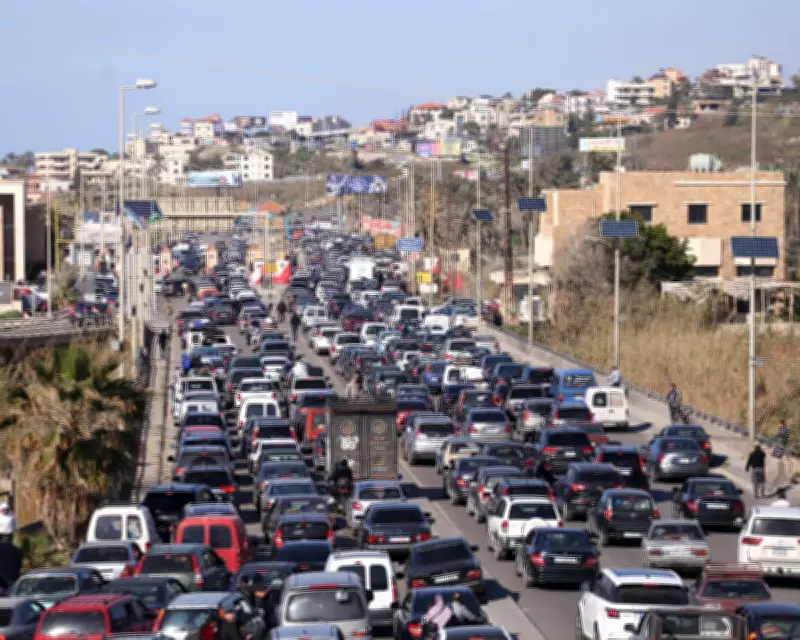
The familiar, terrifying sound of bombing shattered the early morning calm in Beirut on Monday, sending tens of thousands of Lebanese civilians scrambling from their homes in a desperate, chaotic exodus. For many, the scenes were hauntingly reminiscent of the conflict that ravaged the country just eighteen months prior, as Israeli airstrikes pounded southern suburbs, the Bekaa valley, and southern Lebanon in retaliation for Hezbollah rocket attacks.
A Nightmare Repeated for Weary Families
Abu Yehya, a 41-year-old day laborer, awoke with his two sons to a dozen blasts, one landing mere hundreds of meters away. "The kids were terrified, they were screaming. It was exactly like the last time, we knew from the very first moment what it was. War is war," he recounted, clutching his children close after a four-hour walk to downtown Beirut. There, on the same asphalt where they had sought refuge previously, they learned Hezbollah had struck Israel, plunging Lebanon back into war.
By Monday evening, the Lebanese Ministry of Social Affairs reported at least 52 people killed and approximately 29,000 displaced to emergency shelters, with numbers expected to rise sharply. Israel's military issued evacuation orders for residents of over 50 villages, while warplanes flew low over Beirut, rattling windows and nerves across the capital.

Smouldering Anger Over Hezbollah's Decision
Across Beirut, a palpable sense of weary resignation mixed with smouldering anger directed at Hezbollah for entering the conflict. "I was so, so upset when I learned we had entered the war. We are exhausted from all these wars," Abu Yehya expressed, voicing a sentiment echoed by many. "Us adults, we will die when we die, but our children are a different story. They are frightened."
Even within Hezbollah's support base, the decision provoked shock and betrayal. A woman from the group's southern suburbs stronghold, who declined to be named, stated bitterly: "For two years Israel has been bombing Lebanon and Hezbollah has not replied even once. Now, Iran is bombed for two days and they burn the whole country for them? They don't care about Lebanon."
Unprecedented Government Action and Deepening Crisis
The Lebanese government, feeling misled after receiving assurances Hezbollah would not drag the nation into war, took unprecedented action. It issued a decision banning Hezbollah from all security and military functions, ordering the group to operate solely as a political party. The cabinet instructed the judiciary to arrest those who fired rockets at Israel and directed the Lebanese army to prevent further launches from Lebanese territory.
This marked a dramatic shift from the government's previous 18-month strategy of avoiding confrontation with Hezbollah, fearing civil conflict. Yet war arrived regardless, transforming Beirut's cityscape. The constant buzz of Israeli drones now felt deeply ominous, while the rumble of fighter jets sent people running to balconies, awaiting the inevitable booms of airstrikes seconds later.
Humanitarian Crisis Unfolds on Beirut's Streets
In Martyrs' Square, families attempted to sleep under the harsh morning sun, crowded together on thin foam mattresses. Passenger vans stuffed with blankets and suitcases clogged streets, their windows framing the furrowed brows of women staring out at a city under siege. The solidarity that characterized the previous conflict—with blood banks seeing lines out the door—was replaced by desperation as shelters filled beyond capacity.
Abu Yehya, unsure where to turn next with shelters full and his children weary of rough asphalt, contemplated heading to a park south of Beirut in Khaldeh. "At least there will be shade," he said, a small hope in a landscape of overwhelming uncertainty as Lebanon once again finds itself caught in the crossfire of regional conflict.