
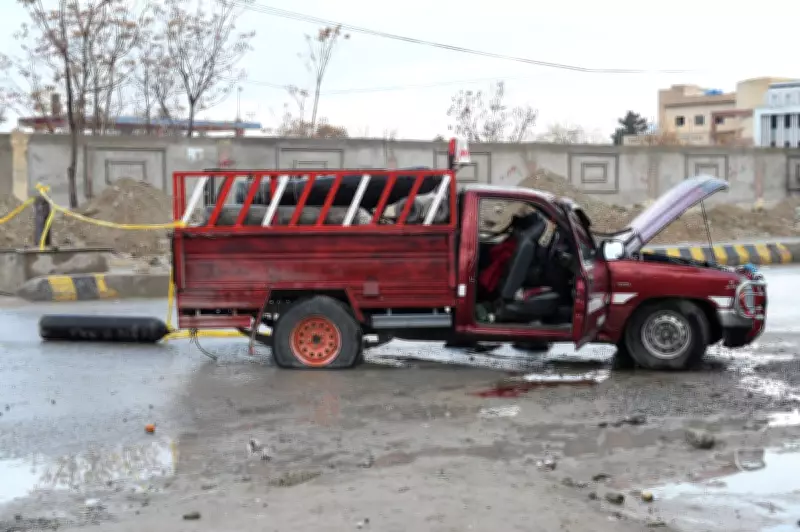
A devastating series of coordinated attacks by Baloch insurgents has plunged Pakistan's south-western province of Balochistan into chaos, resulting in a significant loss of life and widespread destruction. According to official military statements, the violence has claimed over 120 lives, with analysts describing it as the deadliest single day for militants in the region for decades.
Military Confirms High Casualty Figures
Pakistan's military reported on Saturday that multiple suicide and gun attacks carried out by what they termed "terrorists" across the restive province led to the deaths of 33 individuals, including civilians. In response to the onslaught, security forces engaged the assailants, killing 92 insurgents. The breakdown of casualties includes 18 civilians, 15 security personnel, and the 92 militants, highlighting the severe impact on both non-combatants and state forces.
Coordinated Assaults Target Key Infrastructure
The attacks, which began almost simultaneously across Balochistan, targeted a range of critical sites. Baloch insurgents focused their efforts on civilians, a high-security prison, multiple police stations, and paramilitary installations. In one incident, insurgents attacked a prison in Mastung district, freeing more than 30 inmates, while in Nushki district, militants attempted to storm the provincial headquarters of paramilitary forces but were repelled.
Additional assaults included grenade attacks on a police vehicle in Quetta, the provincial capital, resulting in the deaths of two police officers, and attacks on government offices in Dalbandin district. Insurgents also targeted security posts in districts such as Balincha, Tump, and Kharan, and attempted to abduct passengers from buses in Pasni and Gwadar.
Baloch Liberation Army Claims Responsibility
The outlawed Baloch Liberation Army (BLA) has claimed responsibility for the suicide and gun attacks. During the assaults, some banks were robbed, a police station was set ablaze, and dozens of vehicles were torched. The BLA released propaganda videos showcasing female fighters participating in the attacks, an apparent effort to emphasise the role of women within their ranks.
Government and Military Response
In response to the violence, the provincial government declared an emergency at all hospitals to manage the influx of casualties. Shahid Rind, a spokesperson for the Balochistan government, stated that most of the attacks were foiled, but the scale of the coordination was unprecedented. Provincial Chief Minister Sarfraz Bugti noted on social media that security forces are actively pursuing the insurgents, with at least 700 killed in the past year.
The military and Pakistan's Interior Minister Mohsin Naqvi have accused India of backing the attackers, a claim that New Delhi has previously denied and did not immediately respond to. Pakistan has also reiterated allegations that Baloch separatists and the Pakistani Taliban are using Afghan soil to launch attacks, which Kabul disputes.
Broader Context of Militant Activity
Balochistan has long been a hotspot for insurgency, with separatist groups seeking independence from Pakistan's central government. The recent attacks come amid intensified operations by groups like the BLA and the Pakistani Taliban (TTP), which is allied with Afghanistan's Taliban. Abdullah Khan of the Pakistan Institute for Conflict and Security Studies remarked that such a high number of militant deaths in a single day is unprecedented in Balochistan.
Earlier on Saturday, insurgents destroyed rail tracks, leading Pakistan Railways to suspend train services from Balochistan to other parts of the country, further disrupting normal life. Authorities reported that at least 133 militants have been killed across the province over the past 48 hours, underscoring the ongoing security challenges.




