Australian Defence Presence at Dubai Airshow Raises Ethical Questions
More than 35 Australian defence companies are establishing their presence at the Dubai International Airshow this week, occupying prime exhibition space in what organisers describe as a showcase for cutting-edge military aircraft and air defence technologies. The Australian pavilion, strategically positioned in the middle row of the weapons fair, will feature a retired military officer whose uniformed presence is promoted as providing key credibility when engaging with visiting military delegations.
Mounting Evidence of Weapons Diversion to Sudan
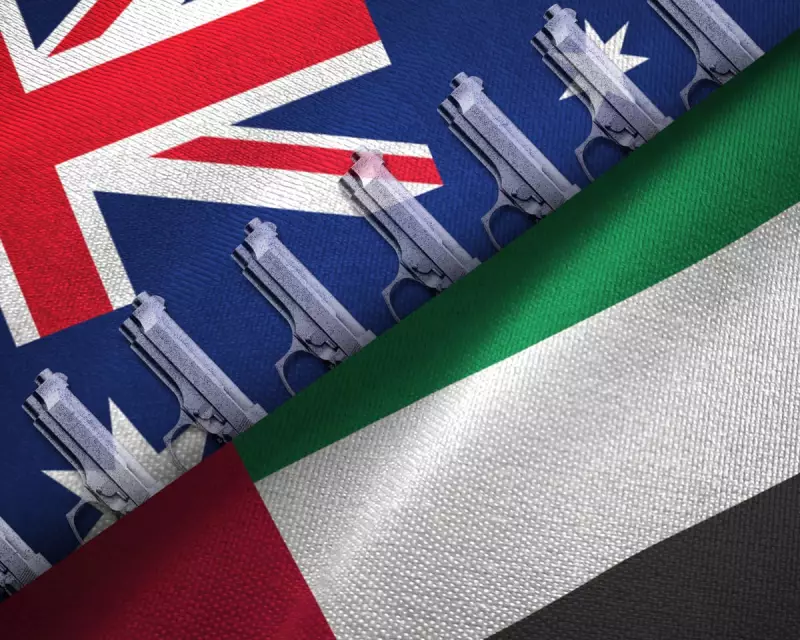
This prominent display comes amid growing international concern about Australia's deepening defence relationship with the United Arab Emirates. Government records reveal that Australia has exported nearly $300 million in arms and ammunition to the UAE over the past five years, making it by far the largest market for Australian defence exports. Separate United Nations data indicates Australia has become the UAE's fourth-largest weapons supplier during this period.
The timing of this strengthened partnership is particularly sensitive given mounting evidence from UN investigators that the UAE has been channelling sophisticated weaponry to Sudan's Rapid Support Forces (RSF). This paramilitary group stands accused of committing atrocities in Darfur, including mass killings, rape and torture that intensified with their capture of El Fasher last month.
Satellite imagery from the famine-ravaged region reportedly shows bodies on the ground and widespread discolouration of earth reddened by blood, supporting accounts of thousands killed despite a communications blackout hampering independent verification.
Government Support Amid Growing Criticism
Despite these concerns, the Australian government appears committed to expanding defence sales to the UAE. Austrade recently advised defence companies that the UAE's extensive defence procurement programme represents real opportunities for Australian suppliers. The government has covered costs for dozens of companies to showcase their products directly to UAE defence officials in Dubai.
Green senator David Shoebridge told journalists that the Australian government has been approving weapons sales to the UAE at an astonishing scale with almost no transparency. When you start selling weapons to regimes like the UAE, what do you think is going to happen? Those weapons are going to end up in some of the bloodiest conflicts in the world, he stated.
Multiple civil society groups including Quakers Australia and the Medical Association for the Prevention of War have called for an urgent parliamentary review of Australia's arms exports, arguing the current system lacks accountability and proper monitoring mechanisms.
Human Rights Watch Australia director Daniela Gavshon noted that while Australia has obligations under international law to ensure military exports don't contribute to human rights abuses, the country lacks legislation requiring monitoring of how exported weapons are ultimately used.
The Australian defence department maintains it operates a rigorous and transparent export controls framework consistent with international obligations. However, the department did not respond to questions about how weapons are monitored once exported to the UAE.
As defence companies showcase their wares in Dubai, experts like international law senior lecturer Philipp Kastner warn that confirming whether Australian-made weapons have reached Sudan is difficult, while confirming they definitely haven't is impossible. Kastner questioned whether weapons manufacturing represents the kind of wealth creation Australian society truly wants to pursue.