In a significant move to address longstanding procurement issues, the Australian government has unveiled the most substantial restructuring of its defence bureaucracy since the mid-1970s. The announcement comes alongside confirmation that Australian defence forces are monitoring Chinese naval movements in the Philippines Sea.
Major Defence Restructuring
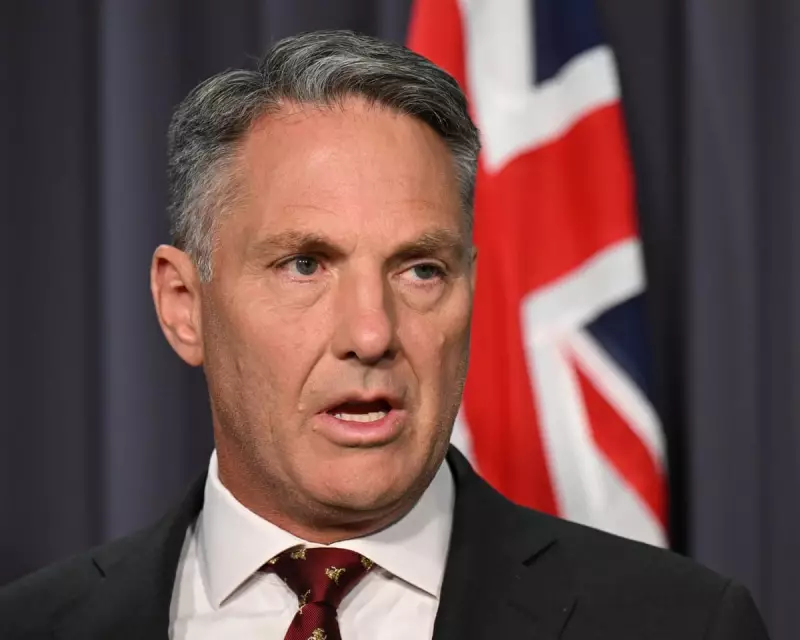
Defence Minister Richard Marles and Defence Industry Minister Pat Conroy revealed the sweeping changes at Parliament House on Monday. The reforms will merge three key agencies: the capability acquisition and sustainment group, the guided weapons and explosive ordinance group, and the naval shipbuilding and sustainment group.
The centrepiece of this transformation is the establishment of a new independent delivery agency, to be known as the Defence Delivery Agency. This body will manage billions of dollars in complex defence and military projects, consolidating organisations currently responsible for nearly 40% of the department's functions.
The new agency will become operational from 1 July 2026, led by a newly created position of national armaments director. By July 2027, it will transition to a fully standalone agency operating independently from the defence department.
Addressing Systemic Failures
Minister Marles emphasised the critical need for these changes, stating they represent "one of the biggest changes to defence that we have seen." The reforms aim to directly tackle the chronic issues of budget overruns and project delays that have plagued defence procurement.
According to government analysis, approximately 30 major defence projects are currently running a combined 97 years behind schedule. The strategic review of defence identified fundamental flaws in current procurement systems, citing fragmented accountabilities and excessively bureaucratic processes.
Under the new model, the national security committee of cabinet will approve proposed defence acquisitions based on advice from both defence and the new agency. Once decisions are made, the Defence Delivery Agency will take control as project managers.
Chinese Naval Activity and Broader Context
In a development highlighting regional security concerns, Minister Marles confirmed that Australia is tracking a Chinese navy flotilla in the Philippines Sea. While he stated it's too early to determine if the vessels are heading toward Australian waters, defence officials continue to monitor their progress.
This situation follows an incident in February when a Chinese cruiser, frigate and supply ship conducted unexpected live-fire drills in the Tasman Sea, forcing commercial aircraft to alter their routes due to safety concerns.
Separately, the government has established a new AUKUS group within the Department of Prime Minister and Cabinet, led by deputy secretary Kendra Morony, to oversee the trilateral security partnership.
The defence overhaul announcement follows recent pressure from former Trump administration officials for Australia to increase defence spending from the current 2% to as much as 3.5% of GDP. Meanwhile, the government has flagged potential sales of defence properties, including Brisbane's Victoria Barracks and Sydney's Spectacle Island, with proceeds to be reinvested within the department.