
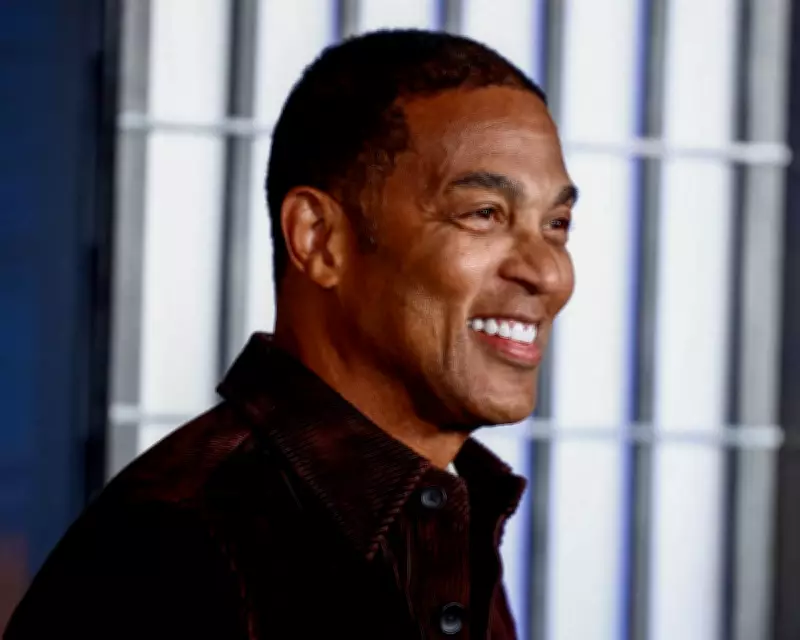
Arrests of Journalists Signal Escalating War on Press Freedom
The recent arrests of prominent journalist Don Lemon and independent reporter Georgia Fort represent a dangerous escalation in what appears to be a systematic campaign against press freedom in the United States. These developments follow a troubling pattern of legal harassment against journalists who dare to report critically on government actions.
Unprecedented Federal Intervention
What makes Thursday's arrests particularly alarming is the unprecedented level of federal involvement. Never before has an attorney general personally involved themselves in pursuing vindictive criminal charges against journalists merely for covering protests. Despite two federal courts reviewing the government's evidence against Lemon and declining to approve his arrest last week, Attorney General Pam Bondi persisted in her pursuit, seemingly more concerned with pleasing her authoritarian boss than upholding constitutional principles.
The administration's actions demonstrate a complete inversion of normal prosecutorial discretion. In ordinary circumstances, even when a journalist's conduct might technically fit legal elements of a minor offense – such as jaywalking to capture protest footage – prosecutors would exercise judgment to avoid chilling press freedom. Now, even when journalists' conduct is plainly non-criminal, prosecutors appear determined to find some way to harass them, no matter how frivolous the legal basis.
Weaponising Inapplicable Laws
The legal theories being advanced against Lemon and Fort are particularly troubling. The two federal laws under which they're reportedly charged seem entirely inapplicable to routine journalism. One statute punishes conspiracies to stop people from exercising constitutional rights, yet the journalists simply documented news events without conspiring with anyone for nefarious purposes.
Ironically, Lemon and Fort are accused of exactly what the Trump administration appears to be doing – intimidating those who exercise core constitutional freedoms like documenting news. The very next section of the criminal code prohibits deprivation of constitutional rights "under color of law," meaning by government officials themselves. Perhaps those involved in these arrests should consider their own legal exposure.
The other law being wielded requires intent to interfere with religious worship or access to reproductive health clinics, not the lawful documentation of news events by journalists who neither plan protests nor participate in them. Journalists follow news – they don't decide where it happens. Protesters in Minneapolis chose to demonstrate at a particular church because the pastor had connections with ICE, not because journalists directed them there.
A Pattern Established Locally
For those monitoring press freedom abuses at local levels, these federal developments feel all too familiar. The 2023 raid of the Marion County Record in rural Kansas on sham identity theft allegations, the raid of Florida journalist Tim Burke's home newsroom over nonsensical computer crime charges, and the Christmas 2021 arrest of North Carolina journalists Matilda Bliss and Veronica Coit all established a pattern now being replicated at federal level.
Bliss and Coit's case particularly resonates – they were arrested for documenting a homeless encampment sweep in a public park that police chose to conduct after closing hours. They didn't decide when news would happen, yet faced criminal charges for doing their jobs. Their conviction sent shockwaves through press freedom circles, demonstrating that even routine reporting could now carry criminal risk.
The Dangerous Precedent
These cases raise alarming questions about journalism's future. What if police had shot someone during that encampment sweep? Would reporters be expected to ignore such news due to a curfew violation? The implications extend beyond individual cases to threaten the very foundation of democratic accountability.
When smaller outlets like the Asheville Blade face targeting, it's tempting to assume mainstream journalists with larger audiences remain safe. The Lemon and Fort arrests prove this assumption dangerously false. The administration's playbook has been tested outside national headlines in places like Asheville and Atlanta, where prosecutors previously tried – and failed – to convict people for merely distributing pamphlets or holding press conferences by alleging conspiracy with activists who committed actual crimes.
Fighting Back Against Censorship
Journalists understandably fear becoming the story themselves, but in these cases, the government has made them the story through its unconstitutional prosecutions. Fortunately, these tactics have repeatedly failed in court, with judges and juries finding them lacking credibility. Public pressure has already made a difference in Minneapolis, demonstrating that fighting back yields better results than self-censorship.
The discouragement of journalists from doing their jobs isn't an unfortunate side effect of these prosecutions – it appears to be their central purpose. As local authorities who targeted journalists like Bliss and Coit watch federal actions unfold, they might recognize their own methods being employed on a larger scale. Journalists must continue holding up mirrors to these censorial faces, regardless of the risks, because the alternative – capitulation – only invites further attacks on press freedom that ultimately undermine democracy itself.




