
Anzac Soldier's Final Resting Place Destroyed in Gaza Conflict
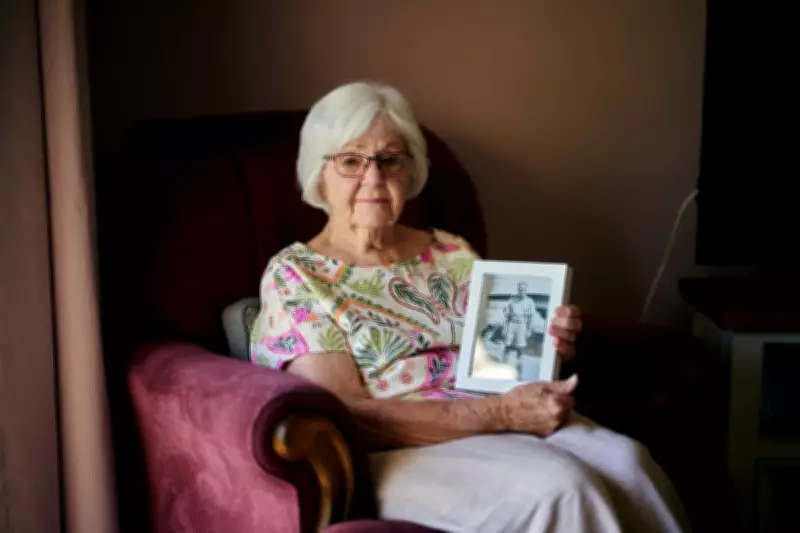
The grave of Albert Kemp, an Australian soldier who served with distinction during the Second World War, has been almost certainly destroyed by Israeli military operations in the Gaza War Cemetery. His daughter, Wilma Spence, now faces profound grief and unanswered questions about what remains of her father's final resting place.
A Personal Connection Severed
Wilma Spence, who was too young to know her father personally, had forged a deep connection with him through visiting his grave in Gaza. The inscription on his tombstone read: "Fighting for those who love him, our darling daddy died." These words now carry even greater weight as she confronts the reality that the physical memorial to his sacrifice has been obliterated.
Albert Kemp enlisted in October 1939 from Dandenong in south-eastern Melbourne, joining the 2/7 Battalion of the Australian Infantry Force. He served across multiple theatres in Europe and the Middle East, earning campaign medals including the Africa Star and the 1939-45 Star. Promoted to acting corporal in 1941, he died in Palestine the following year at just 27 years old.
The Destruction of Commonwealth War Graves
Satellite imagery reveals extensive damage to sections A and B of the Gaza War Cemetery, where the majority of Australian Second World War soldiers are buried. The images show rows of gravestones removed and significant soil disturbance, with a substantial earth berm running through the middle of the affected area.
The Israel Defense Forces claim they destroyed the graves to address "underground terrorist infrastructure identified within the cemetery and in its surrounding area." This explanation has been met with deep scepticism by families of the Anzac dead, who question why such extreme measures were necessary in a Commonwealth war cemetery.
A Daughter's Quest for Answers
Wilma Spence has been writing to Prime Minister Anthony Albanese since October 2023, urging him to protect the sites and investigate the damage. She has expressed frustration at being referred to the Department of Foreign Affairs or the Office of Australian War Graves rather than receiving direct action from the government.
"They have no respect for the living, so why would they respect the dead?" Wilma says of the Israeli government's actions. Her concerns extend beyond her personal loss to broader issues of respect for war dead and the treatment of Palestinians in the current conflict.
Government Response and International Pressure
With Israeli President Isaac Herzog scheduled to visit Australia, Wilma wants the Albanese government to raise the issue directly. At minimum, she seeks pressure on Israel to allow staff from the Office of Australian War Graves into Gaza to assess the damage properly.
Australia's Department of Veterans' Affairs has acknowledged "significant damage" to the Gaza War Cemetery that includes Australian graves. The Commonwealth War Graves Commission plans to repair the cemetery when safe to do so, though reconstruction is expected to take considerable time given post-conflict priorities.
Acting Prime Minister Richard Marles stated the government is "obviously very concerned" about the destruction and will repair the graves as soon as the situation allows. However, for families like Wilma's, these assurances offer little comfort while the damage remains unaddressed and the location of their loved ones' remains unknown.
A Legacy Reduced to Dust
Wilma's emotional connection to her father's grave was profound. During her 1995 visit, which required navigating Mossad interrogation and armed checkpoints, she finally found his tombstone at Grave 3, Row A of Section B. "I just broke down, started crying," she recalls of that moment. "It was very emotional. I suppose, in some way, I'd like to go back, and take somebody else with me."
Now, that possibility seems remote as the site has been fundamentally altered. Wilma's poem about her father captures both the power his grave held for her and the pain of its loss: "I stood at your grave in the Gaza sun, the smell of Eucalypts filling the air. My tears fell in the dust, it seemed unjust to lose you, so young – unfair."
The destruction of these Commonwealth war graves raises difficult questions about the protection of historical sites during military conflicts and the lasting impact on families who have already sacrificed so much.




