From Neo-Nazis to Immigration Agents: The Evolving Anti-Fascist Mission
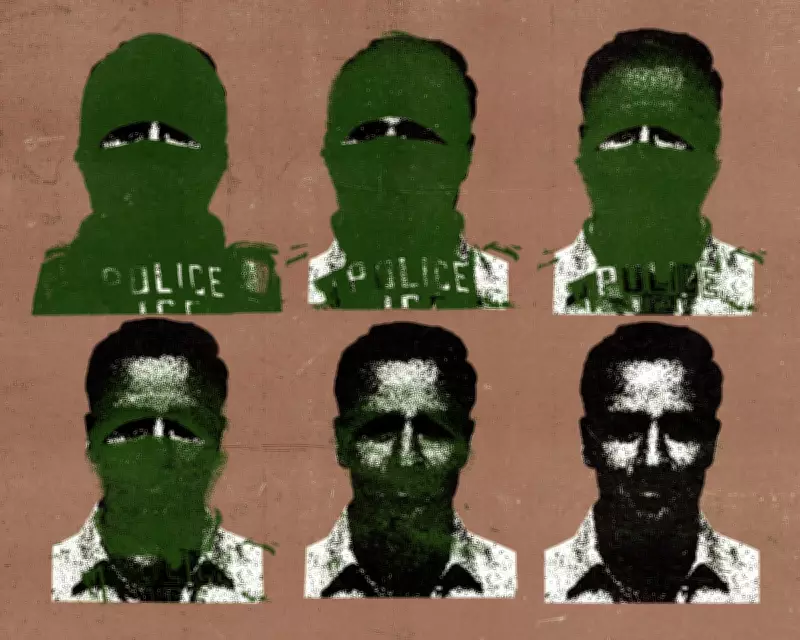
"Antifa is not an organization," one activist explained. "Antifascism represents a natural response to state terror that anyone can participate in." This philosophy underpins a significant shift within American anti-fascist movements, which have redirected their intelligence-gathering operations from exposing white supremacist groups to identifying masked immigration enforcement agents.
The Minneapolis Incident: A Case Study in Modern Anti-Fascist Action
Last week, disturbing footage emerged from Minneapolis showing a border patrol agent pepper-spraying a detained protester at point-blank range. Within two hours of the Minneapolis Star Tribune posting this video to social media, the Pacific Antifascist Research Collective claimed to have identified the agent as Tyler Gramlin. The group created multilingual flyers labeling him as a "suspected kidnapper/terrorist" for distribution across Minneapolis neighborhoods.
This collective describes itself as an autonomous research group dedicated to providing communities with tools to protect themselves from fascism in all its forms. Like most of the approximately sixty other anti-fascist activists interviewed for recent research, its members maintain their anonymity to prevent reprisals from far-right groups.
The Evolution of Anti-Fascist Tactics
While anti-fascist movements are commonly associated with physical confrontations, such militancy represents only a small fraction of their activities. The remarkable story of these groups lies not in their occasional violence but in their sophisticated espionage and research capabilities. Over the past decade, anti-fascist activists have exposed thousands of pseudonymous Americans belonging to new generations of fascist organizations.
Their methods have included deploying undercover operatives into white supremacist groups to gather intelligence through secretly recorded audio, covert photographs, and thousands of private chat messages. This information has been used to unmask professors, politicians, police officers, and pastors who participated in far-right movements.
Doxing as Political Strategy
In the anti-fascist context, "doxing" refers specifically to the practice of naming and shaming fascists rather than posting private information to invite harassment. This tactic has proven remarkably successful, helping dismantle multiple fascist and "alt-right" groups during Donald Trump's first presidential term and beyond.
With the dawn of a potential second Trump administration, anti-fascist intelligence operations have been repurposed for a new target: the armed agents implementing Trump's immigration policies. Activists argue that these agents wear masks because they understand most Americans disapprove of their actions across the country.
Historical Precedents for Unmasking Campaigns
This modern movement follows a long American tradition of exposing hidden fascists. Historical examples include Black activists like Ida B. Wells and Walter White working to identify members of white lynch mobs in the late nineteenth and early twentieth centuries. In 1924, the mayor of Buffalo, New York, displayed a list of local Ku Klux Klan members publicly. During the 1930s, Jewish lawyer Leon Lewis operated a spy network that infiltrated the German American Bund in Los Angeles.
More recently, anti-fascist activists deployed spies into groups like Identity Evropa and online servers where neo-Nazis plotted violent rallies. This work succeeded by bringing sunlight to organizations that depended on operating in darkness, leveraging societal taboos against explicit white supremacy to create significant social costs for fascist participation.
Public Opinion and Political Responses
Current polling indicates growing public skepticism toward immigration enforcement agencies. A recent YouGov survey showed support for abolishing ICE reaching forty-six percent among American adults, with fifty-six percent believing ICE agents should not be allowed to wear masks during operations.
Political responses have been mixed. Democratic lawmakers in California passed legislation prohibiting ICE and border patrol agents from wearing masks and requiring identification, though the White House has sued over these bills. Meanwhile, the Trump administration has pursued prosecutions against activists identifying immigration agents, with the Department of Justice issuing memos targeting individuals aligned with "antifa" who are "doxing" immigration law enforcement personnel.
Grassroots Efforts Continue
Despite legal challenges, anti-fascist groups continue their identification campaigns. In Portland, Oregon, Rose City Counter-Info has identified at least two local ICE agents, creating posters urging residents to "name and shame these Gestapo clowns." The Department of Homeland Security has specifically named this group while warning about prosecuting those who identify ICE agents.
Eight people have died in dealings with ICE during 2026, with thirty-two fatalities occurring in immigration detention centers during 2025—the deadliest year in more than two decades. These statistics fuel activist arguments that identifying agents represents a necessary response to state violence.
The Human Dimension
One longtime anti-fascist activist, who requested anonymity for protection, explained their motivation: "We identify ICE and DHS agents for the same reasons we identify any violent, dangerous people intent on doing harm. They have chosen to prey on the community."
This activist emphasized that immigration agents "need to get coffee, eat, go to the bathroom, go to the gym, get gas, rent a car like anyone else. Predators should not be able to enjoy anonymity."
Looking Forward
The Pacific Antifascist Research Collective continues identifying ICE agents involved in controversial operations. Recent flyers have targeted agents seen removing elderly Hmong men from their homes in freezing temperatures and those working alongside recently demoted border patrol commanders.
When contacted about the Tyler Gramlin identification, the Department of Homeland Security did not dispute the accuracy of the Pacific Antifascist Research Collective's claim, instead describing the pepper-spray incident as part of "crowd control measures" against a "hostile crowd." Gramlin himself appeared to acknowledge the identification by changing his Facebook cover photo to an image of Greenland—the territory Trump has threatened to invade—and responding to comments about being called a terrorist with approving reactions.
As one activist warned immigration agents: "Take your retirement while you still can. Get out before the funding cuts, before the lawsuits, the criminal trials. The people will not forget." This sentiment captures the determination of anti-fascist movements to continue their work of exposure, regardless of political or legal obstacles.