
Gaza Hospitals Confirm 23 Fatalities in Israeli Military Strikes
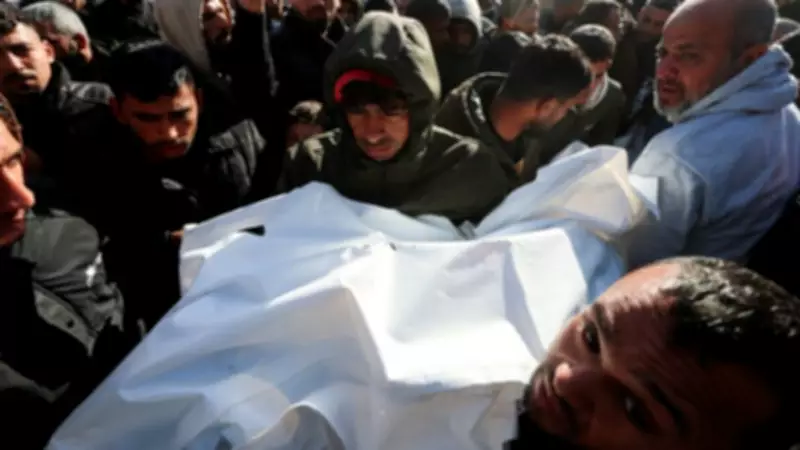
Hospital authorities in Gaza have reported that at least 23 Palestinians lost their lives in Israeli airstrikes on Saturday, marking one of the deadliest incidents since a ceasefire was established in October. The casualties included two women and six children from two separate families, according to officials at the medical facilities that received the victims.
Details of the Attacks Across Gaza
Shifa Hospital in Gaza City stated that a strike killed a mother, three children, and one relative. Meanwhile, Nasser Hospital in Khan Younis reported that an attack on a tent camp ignited a fire, resulting in seven fatalities, including a father, his three children, and three grandchildren. These incidents occurred early in the morning.
Later in the day, Shifa Hospital director Mohamed Abu Selmiya confirmed that another airstrike targeted a police station in Gaza City, killing at least 11 more individuals and injuring others. The Gaza health ministry, which operates under the Hamas-led government, has documented over 500 Palestinian deaths from Israeli attacks since the ceasefire began on 10 October.
Ceasefire Tensions and Historical Context
Israel's military did not provide an immediate response to inquiries about the strikes. This escalation follows accusations from Israeli officials the previous day, alleging new ceasefire violations by Hamas. Both sides have repeatedly blamed each other for breaches since the agreement was reached after two years of conflict.
Recent violence includes the deaths of eleven Palestinians in attacks across Gaza on 21 January, among them two 13-year-old boys and three journalists, as per hospital records. The latest strikes occurred just before the scheduled reopening of the Rafah crossing bordering Egypt, a critical passage for nearly all of Gaza's two million residents.
Impact on Gaza's Humanitarian Situation
All of Gaza's borders have remained closed since the war's onset, with Rafah briefly opened in early 2025 under the previous ceasefire to evacuate sick and wounded Palestinians for treatment. Palestinians view the Rafah crossing as a vital lifeline, as most medical infrastructure within Gaza has been destroyed. The World Health Organization estimates that nearly 20,000 people may require medical treatment.
Israel has maintained the closure of the Rafah crossing in both directions since October, insisting that Hamas must comply with the agreement to return all hostages, both living and deceased. The remains of the last Israeli hostage, 24-year-old Ran Gvili, were recovered approximately a week ago; he was killed during the October 7 attacks in 2023 before his body was taken to Gaza.
Reopening Plans and International Involvement
Israeli officials have indicated that the "limited reopening" of the Rafah crossing on Sunday aligns with US President Donald Trump's 20-point peace plan. According to reports, Israel will not impose a limit on the number of people exiting Gaza via the crossing but will restrict re-entry from Egypt to 150 individuals per day. Palestinian officials suggest that around 100,000 people have fled Gaza since the conflict began.




