
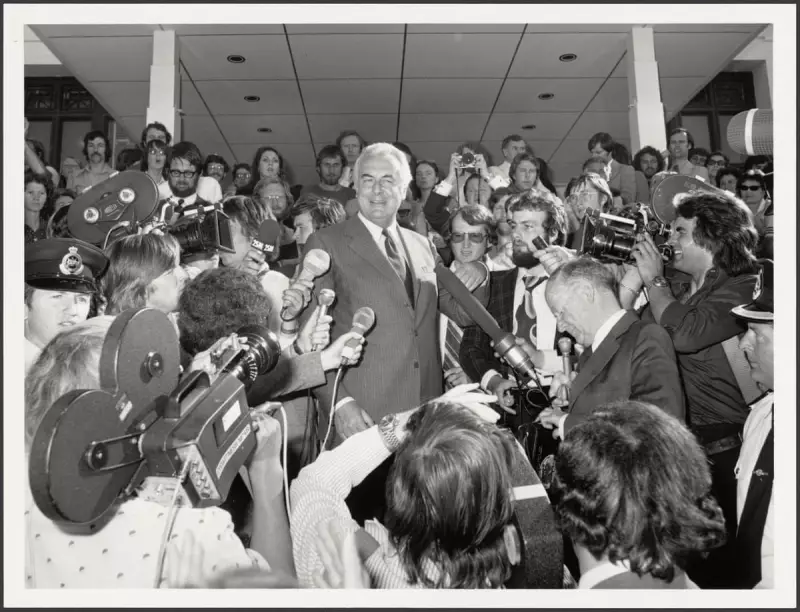
Tuesday, 11 November 1975, remains one of the most dramatic and controversial days in Australian political history. In an unprecedented move that shook the nation, Governor General Sir John Kerr used his reserve powers to dismiss the elected government of Prime Minister Gough Whitlam, breaking a severe constitutional deadlock in Canberra.
The Dismissal: A Day of High Drama
The crisis had been brewing for weeks. The opposition, led by Malcolm Fraser, had blocked the government's budget supply bills in the Senate, creating a financial stalemate. On that fateful Tuesday, Sir John Kerr summoned both Gough Whitlam and Malcolm Fraser to Government House in Yarralumla. In a stunning move, he dismissed the sitting prime minister, citing Labor's failure to secure supply.
Kerr immediately commissioned Fraser as the new caretaker prime minister. This appointment came with a strict condition: Fraser had to secure the passage of the budget bills through parliament and call an immediate general election. Whitlam, who had led the Labor government since 1972, was suddenly out of office.
Public Outcry and Whitlam's Iconic Rebuttal
The public reaction was swift and furious. As news of the dismissal spread, an angry crowd gathered outside Parliament House. The official proclamation dissolving both houses of Parliament was read from the building's steps by the Governor General's official secretary, David Smith, at approximately 4.50pm.
Smith concluded the proclamation with the traditional phrase, 'God save the queen!'. This prompted Gough Whitlam to deliver his legendary, impromptu response to the gathered crowd. 'Ladies and gentleman, well may we say, "God save the queen", because nothing will save the governor general,' he declared, a line that would echo through history.
Later that day, a dismissed but defiant Whitlam addressed reporters and the public outside Parliament House, while Fraser began his tenure as caretaker leader.
Aftermath and Lasting Legacy
The political turmoil did not end with the dismissal. The following day, a massive lunchtime rally of up to 5,000 people converged on Parliament House. Public servants, students, and transport workers joined the protest. ACTU boss and Labor party national president Bob Hawke spoke at the rally, which passed a motion condemning Whitlam's dismissal and called for workers to donate 'a day's pay for democracy' to the Labor party.
Malcolm Fraser's new cabinet was swiftly sworn in at Government House, with figures including Andrew Peacock, Philip Lynch, Doug Anthony, Ian Sinclair, and Reg Withers taking their posts. A federal election was called for 13 December 1975, which Fraser won convincingly. He remained prime minister until 1983. Whitlam stayed on as Labor leader until 1977 but never returned to government.
Fifty years on, the events of 11 November 1975 continue to be analysed and debated. It stands as a pivotal moment that tested Australia's constitutional conventions and left an indelible mark on the nation's political landscape.




