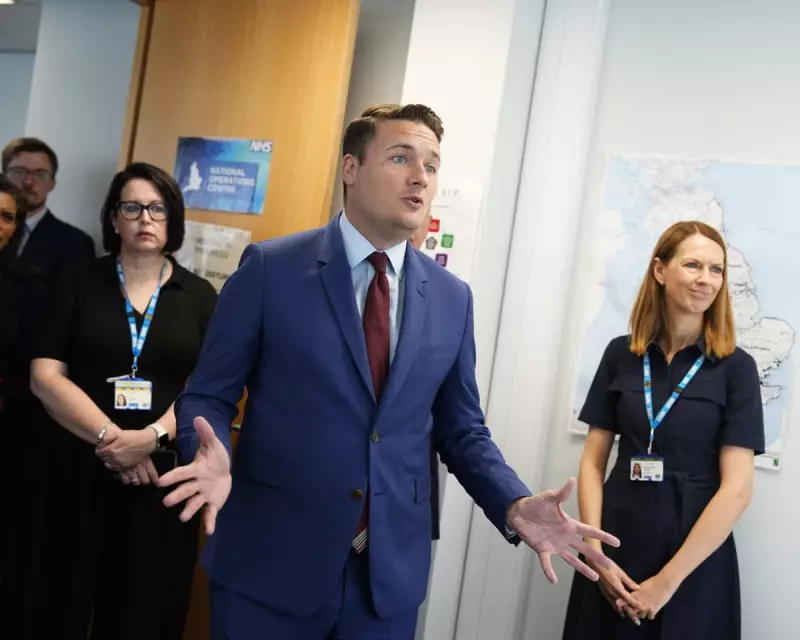
Health Secretary Wes Streeting is facing a critical test of leadership this week as resident doctors begin a five-day strike, creating unprecedented pressure on an already strained NHS during what experts predict will be one of the toughest winters in memory.
The Perfect Storm: Strike Action Meets Winter Pressures
The timing of the industrial action, beginning at 7am on Friday 25th July 2025, aims to maximise disruption during a period of exceptional strain on health services. NHS England's Chief Executive Jim Mackey has warned that staff are confronting one of the toughest winters they have ever faced, with an exceptionally virulent flu strain arriving early and cases already running several times higher than normal.
The latest NHS figures reveal the scale of the challenge. In October alone, 54,000 patients waited more than 12 hours for a bed in emergency departments - nearly 10% more than the same month last year. The elective waiting list now stands at 7.39 million people, with analysis from the Health Foundation suggesting the government will fall just short of its pledge to restore the 18-week elective care standard by the end of this parliament.

Doctors' Grievances Versus Government Concessions
In their ballot covering both July's action and this week's strike, 90% of doctors voted in favour of striking with a 55% turnout. Nobody, including Streeting himself, denies they have legitimate grievances about working conditions that see them rotating between different specialist training posts around the country, often without proper facilities or stability.
However, Streeting has moved to address these concerns, pledging to ease the bottleneck by giving UK-trained doctors first choice of training places. His office notes that currently only 8% of UK-trained doctors who apply for a post fail to get one, though reforms continue to be developed.
The pay dispute presents a more complex picture. Upon his appointment, Streeting settled generously with doctors, offering a 22.3% rise over two years plus an above-inflation average of 5.4% this year, creating an average increase of 28.9% across three years. This contrasts sharply with the 3.6% offered to nurses, midwives and physiotherapists.
Public Opinion Shifts as Winter Bites
Public support for the striking doctors has shifted significantly since the change of government. Current polling shows 51% of the public oppose the doctors' strike, with only 40% in support. This represents a notable change from the Tory era when public backing for medical strikes was stronger.
The erosion of sympathy may relate to growing awareness of doctor salaries, which range from £38,000 for beginners to £109,000 for first-year consultants, potentially reaching £145,000 with bonuses and private practice. Against a backdrop of cost of living pressures and stagnant pay for most workers, these figures have tempered public enthusiasm for the industrial action.
Even within the medical profession, there are dissenters. One resident doctor, speaking anonymously between busy clinics, confirmed he would not be striking due to concerns about patient safety, though he acknowledged the difficult conditions facing those starting their training.
As the NHS braces for this latest challenge, the question remains whether both sides can find common ground before winter pressures reach their peak. With 1.5 million appointments already rescheduled during 49 days of strikes over the last two years, the system can ill afford further disruption during what promises to be an exceptionally difficult season for healthcare.