Affluent individuals across the UK are dangerously exposed to potential tax increases in the upcoming Autumn Budget, with new research revealing a widespread lack of understanding about fundamental tax reliefs and allowances.
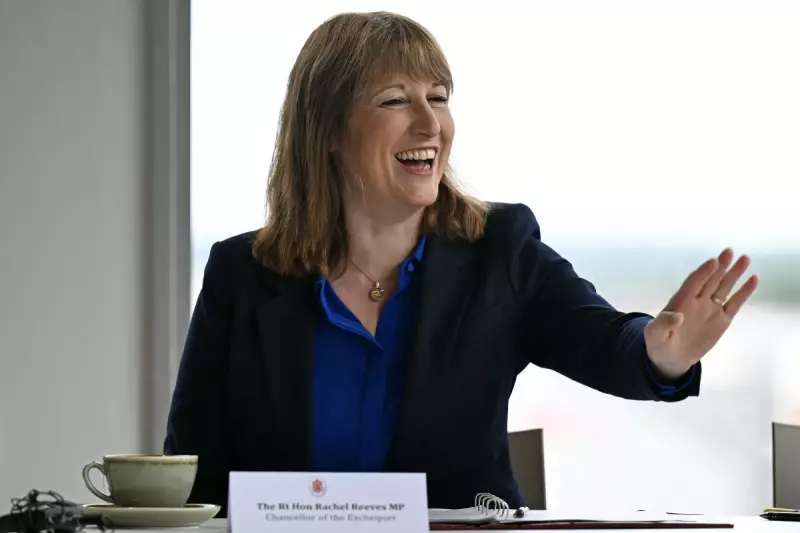
The Treasury is actively seeking to fill an estimated £20bn fiscal black hole when Chancellor Rachel Reeves delivers her Budget speech next week. With a broad spectrum of tax rises under discussion, many are trying to optimise their financial positions, but a serious knowledge gap persists among the wealthiest.
Critical Gaps in Allowance Awareness
According to a study by investment platform Charles Stanley, nearly 50 per cent of high net worth (HNW) individuals are unaware of what the capital gains tax (CGT) allowance is. This allowance, which hit a record low of £3,000 in the 2025 tax year, represents the amount of profit you can make from selling assets like second homes or shares outside of ISAs before tax is due.

Of those who were aware of the CGT allowance, 32 per cent admitted they did not know how to use it, while 12 per cent were unsure if it even applied to them.
Inheritance Tax and Other Blind Spots
The confusion extends far beyond capital gains. Over 65 per cent of HNWs confessed to being unsure about the rules surrounding inheritance tax (IHT). The IHT threshold is currently frozen at £325,000 until 2030, a move expected to raise £1.5bn for the Treasury.
Despite this, two-thirds of those surveyed did not understand the nil-rate band allowance, which allows the first £325,000 of an estate to pass tax-free. Further knowledge gaps were found regarding tax relief on charitable donations, with over half unsure how to benefit, and many were also in the dark about annual gifting allowances and business relief.
Couples are also missing opportunities, with many failing to utilise the marriage allowance, which permits the transfer of up to £1,260 of a personal allowance to a higher-earning spouse to reduce their tax bill.
The Looming Threat and The 60% Tax Trap
This lack of knowledge could leave HNW individuals highly vulnerable to any tax changes announced in the Autumn Budget. Compounding the issue, a growing number of high earners are being caught in the 60 per cent tax trap, which affects incomes between £100,000 and £125,140.
This trap occurs because the personal allowance of £12,570 is reduced by £1 for every £2 earned over £100,000. As wages have risen with inflation while the threshold has remained frozen, more people have been affected.
A potential lifeline—making extra pension contributions—could also be severed. The Treasury is reportedly considering capping the amount that can be contributed in a tax-efficient way via salary sacrifice at just £2,000 per employee per year.
Harry Bell, director of financial planning at Charles Stanley, warned: "The Chancellor’s Budget draws closer and is poised to be one of the most consequential fiscal events this year. This inevitably brings a prospect of higher taxes... for higher earners it could have a more considerable impact on their finances."
He strongly advised that Brits should focus on how to "preserve and protect wealth in the long term" and seek professional financial advice to navigate the challenging landscape ahead.