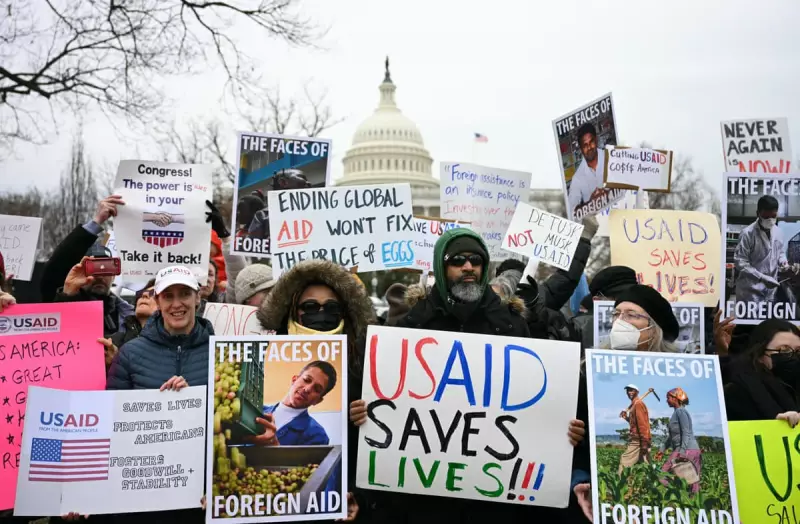
The sudden halt of USAID operations in January 2025 sent shockwaves through global health systems, immediately shuttering clinics and cutting off vital medicines for millions. This move, followed by the axing of 83% of the agency's programmes, has created a dangerous vacuum now being filled by ultra-conservative Christian organisations seeking to reshape the international health landscape.
A Strategic Void and a 'Trojan Horse' Moment
Reproductive justice campaigners argue the dismantling of USAID was not mere nihilism, but a calculated step in a long-term plan. Beth Schlachter, senior director at MSI Reproductive Choices, described the first nine months of the administration as "round one." Now, she warns, the system of US foreign assistance is being rebuilt from the ground up, with new bilateral aid agreements serving as the vehicle for change.
These new deals, currently under negotiation with 71 countries under the "America First Global Health Strategy," are expected to come with stringent conditions. "It's a complete Trojan horse moment," Schlachter told delegates at the International Conference on Family Planning in Bogotá. The fear is that governments, eager for renewed funding, will be forced to comply with values that restrict family planning services and comprehensive sexual education.

The Protego Project: Turning Doctrine into Policy
Central to this new vision is the Geneva Consensus Declaration (GCD), a 2020 manifesto rejecting an international right to abortion. Its architect, Valerie Huber, president of the Institute for Women’s Health, is actively working to turn its principles into policy through the Protego project.
In October 2025, the GCD celebrated its fifth anniversary, with Guinea becoming the 40th signatory state. Huber's goal is to reach 80 countries within three years, creating what she calls "an invincible force for women’s health, strong families, and national sovereignty."
However, critics like Jamie Vernaelde of Ipas warn that any policy based on the GCD is "catastrophic for bodily autonomy and reproductive rights." The Protego project's "Women’s Optimal Health Framework" is criticised for promoting abstinence-based education over UN-backed comprehensive sexuality education (CSE), prioritising parental rights over children's, and excluding marginalised communities.
Pilot programmes have already launched in Guatemala and Uganda. In Uganda, an early GCD sponsor, First Lady and Education Minister Janet Museveni signed on in February 2024, with a school curriculum alternative to CSE reportedly under review.
Dire Consequences and a Fragile Future
The immediate aftermath of the USAID cuts has been severe, particularly in countries like Kenya. Nelly Munyasia, of Reproductive Health Network Kenya, reports empty contraceptive shelves and women being turned away. The situation is poised to worsen with the expected expansion of the "global gag rule" in early 2026, which will for the first time apply conditions to governments themselves.
"If the Kenyan government complies we will see a lot of organisations deregistered and an increase in women dying of backstreet abortion," Munyasia states starkly. Schlachter echoes this grim forecast: "If programmes shrink it will mean more pregnancy, more unsafe abortions, more women dying."
Neil Datta of the European Parliamentary Forum for Sexual and Reproductive Rights frames the administration's strategy as "destruction, consolidation and creation." Following the destruction of USAID and the consolidation via new bilateral deals, a "creation" phase is promoting alternative services like crisis pregnancy centres and natural family planning clinics, often funded by anti-rights groups.
With renewed US aid poised to support this alternative framework, campaigners worldwide are bracing for a profound and lasting rollback of hard-won reproductive rights and health access, fearing the human cost will be measured in lives lost.