The consumer price index (CPI) rose at an annual rate of 3.5% in June 2026, down from 4.2% in May, according to the Bureau of Labor Statistics. The decline was driven by a temporary US-Iran ceasefire that reduced energy costs, though renewed hostilities have since sent oil prices climbing again.
Energy prices drive largest monthly CPI drop since April 2020
Month-over-month, CPI fell 0.8% in June, the steepest one-month decline since April 2020. The energy index was the largest contributor to the overall decrease, offsetting increases in food, utilities, and shelter. Gasoline prices dropped 9.7% from May to June, while fuel oil (including diesel and kerosene) fell 9.2%. Apparel prices also ticked down 0.6%.
Core inflation, which excludes volatile energy and food prices, eased slightly to 2.6% on a yearly basis and remained flat from the previous month. The Federal Reserve closely watches core inflation as a measure of underlying price pressures.

Renewed US-Iran strikes push oil and gas prices higher
The brief US-Iran peace agreement provided temporary relief, but recent strikes have reversed the trend. Donald Trump stated on Monday that the Strait of Hormuz, through which about one-fifth of the world's oil and gas passes, will remain open “with or without Iran,” and claimed the US would reinstate its blockade of Iranian ports.
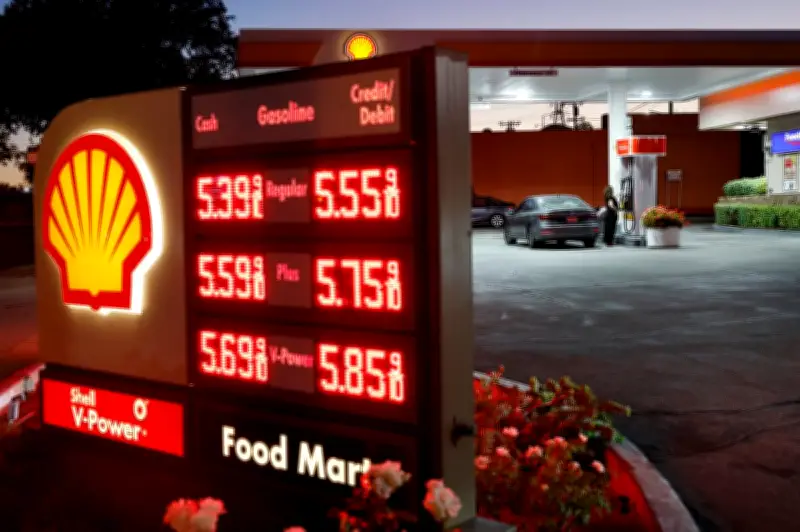
Brent crude, the global oil benchmark, hit $80 per barrel on Monday after reaching a recent low of $67 earlier in July. The national average price for a regular gallon of gas rose to $3.87 last week, 70 cents more per gallon than a year ago.
Higher energy costs spill into travel and other sectors
Higher energy prices have trickled into other industries, notably travel. Delta Air Lines reported in its quarterly earnings last week that it expects high airfares to persist, having passed on 60% of its extra fuel costs to consumers.
Despite Trump's statement last month that he was not concerned about elevated inflation, surveys indicate public dissatisfaction. A Harris-Guardian poll found that a majority of Americans believe the economy is worsening compared to February, and 95% think the country is in an affordability crisis. Half of Americans struggle to afford groceries and gas, according to the same poll.
Labor market remains steady amid inflation concerns
The US job market has stayed relatively resilient. From April through June, the economy added an average of 111,000 jobs per month, signaling a strong labor market despite economic uncertainty.
The Federal Reserve will consider both rising prices and labor market conditions at its upcoming board meeting on July 28-29. Last month, the central bank unanimously voted to maintain interest rates, emphasizing its goal of achieving price stability. Inflation remains well above the Fed's target of 2%.
New Fed chair vows to address inflation surge
In testimony before the House Financial Services Committee on Tuesday, new Federal Reserve Chair Kevin Warsh vowed that “the inflation surge of the last five years will be a thing of the past.” He stated it is the central bank's duty to take a “fresh look at current practices to make sure we are serving our objectives.” Warsh did not elaborate on future rate decisions but reiterated the Fed's commitment to “price stability,” which he defined as “a change in prices such that households and businesses don’t have to worry about it, don’t have to think about it.”
Warsh also acknowledged the advent of artificial intelligence as “perhaps the most significant change in our economy in my adult lifetime.” While he said it is not the Fed's role to predict AI's consequences, he believes the US will emerge as a winner in developing the technology. “I think there is a material improvement in productivity, which should have a material improvement ultimately in wages and the strength of the economy,” he added. “But the long term can be quite far out, and we’ve got to monitor things month by month, quarter by quarter, as we get there.”