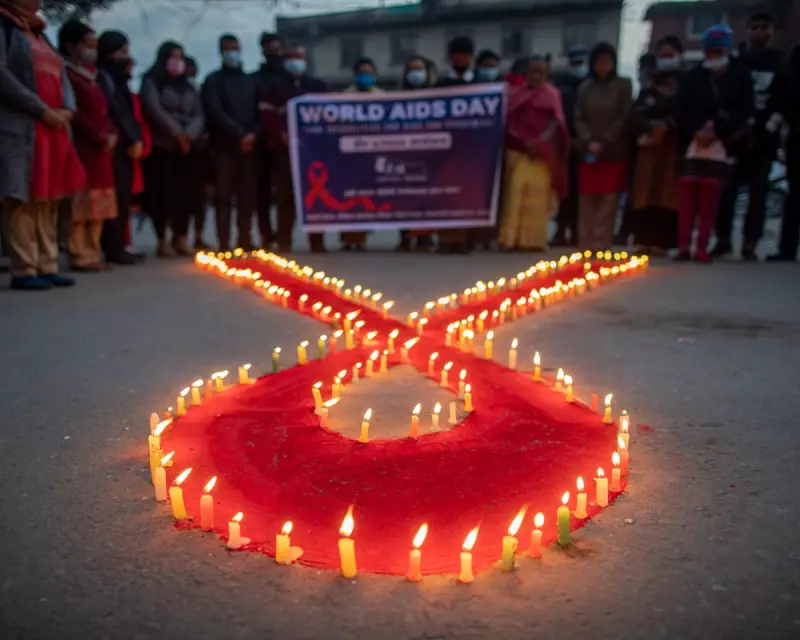
In a significant policy reversal, the United States government will cease its official commemoration of World AIDS Day for the first time since the global health observance began in 1988. This decision marks a historic departure from over three decades of American leadership in HIV awareness and prevention efforts.
State Department Directive Halts Public Recognition
The US State Department has instructed its employees and grant recipients to refrain from using government funds to mark the annual event on 1 December. According to internal communications viewed by the New York Times, staff were directed not to publicly promote World AIDS Day through any communication channels, including social media, media engagements, speeches, or other public-facing messaging.
The directive explicitly states that government policy is to refrain from messaging on any commemorative days, including World AIDS Day, despite the Trump administration having issued proclamations for numerous other observances such as World Intellectual Property Day and National Manufacturing Day.

Contradictory Messaging Amid Programme Cuts
While employees and grantees were told they could still highlight AIDS work being done through various programmes, they were specifically prohibited from promoting the international awareness day itself. State Department spokesperson Tommy Piggott defended the policy shift, telling the New York Times that an awareness day is not a strategy and emphasising the administration's focus on working directly with foreign governments.
This policy change follows other significant alterations to US global health initiatives under the Trump administration. The government has cancelled foreign aid programmes combating HIV and AIDS, scrapped research and prevention resources, and restricted funding under the President's Emergency Plan for AIDS Relief (PEPFAR).
PEPFAR, established under Republican President George W. Bush two decades ago, represents one of America's most successful global health initiatives, estimated to have prevented 25 million premature deaths from AIDS-related illnesses.
Broader Implications for Global Health Awareness
The timing of this policy shift raises particular concerns as World AIDS Day has traditionally been when the State Department shares PEPFAR data about cumulative and annual progress with Congress. It remains unclear whether the department will continue this reporting tradition without the public platform of the awareness day.
This decision contrasts sharply with previous administrations' approaches to the global health crisis. Last year, the White House under Joe Biden hosted the first display of AIDS memorial quilt panels on the South Lawn, memorialising more than 110,000 lives lost to the disease.
The symbolic importance of World AIDS Day was simultaneously demonstrated in Kathmandu, Nepal, where women and children lit candles forming the Red Ribbon symbol, highlighting the continued global recognition of the ongoing fight against HIV/AIDS.