The US economy expanded at a sluggish 1.5% pace from April through June as rising imports weighed on growth. But consumer spending rose. And the Federal Reserve’s favored measure of inflation grew more slowly last month despite remaining above the central bank’s 2% target.
GDP Growth Decelerates
The commerce department reported on Thursday that growth in US gross domestic product (GDP) – the nation’s output of goods and services – decelerated from 2.1% in the first three months of 2026 and came in below economists’ expectations.
The commerce department also said on Thursday that its personal consumption expenditures (PCE) price index, the measure of inflation favored by the Fed, rose 3.7% last month from June 2025, down from a 4.1% year-over-year increase in May. Excluding volatile food and energy prices, so-called core consumer prices were up 3.3% from a year earlier, little changed from a 3.4% increase in May.

Impact of Middle East War
The latest data paints a clearer picture of the effects the war in the Middle East has had on the economy after increasing energy prices and pushing inflation higher. The first GDP reading of this year captured the effects of just a month of war, but indicated that consumer spending was starting to slow as prices started to creep up.
Oil prices have come down from their wartime high, and took a sharp downturn when the US and Iran announced a peace deal. But when that deal collapsed and the two countries began trading strikes again, oil prices climbed and still remain much higher than prewar levels.
Fed Holds Rates Steady Amid Dissent
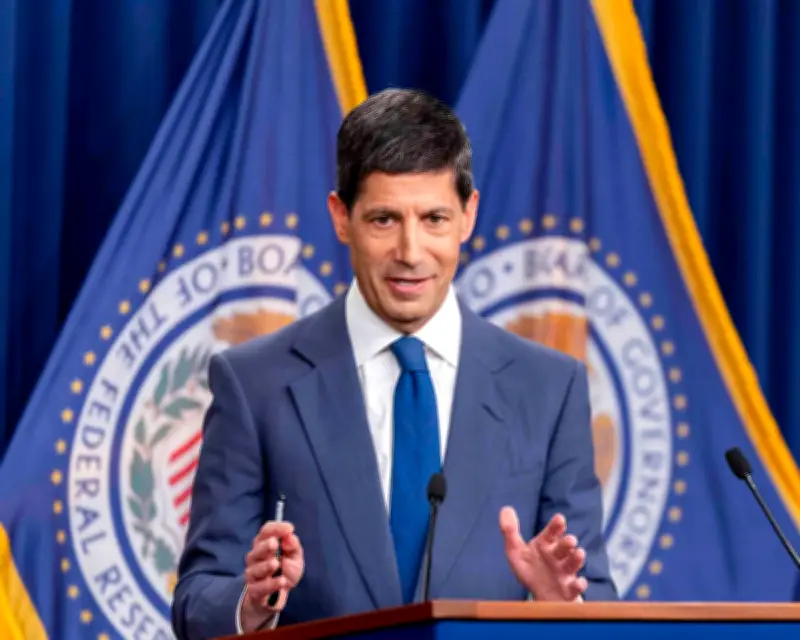
The pressure is growing within the Fed to raise interest rates in order to combat heightened inflation, which Kevin Warsh, the central bank’s chair, has acknowledged has remained too high for years. Though the Fed on Wednesday chose to leave its benchmark interest rate unchanged for the fifth straight meeting, three regional Fed presidents dissented, saying they wanted to raise rates to combat elevated inflation. It was the first time in a decade so many Fed officials had dissented in the same direction over a policy vote.
Higher costs have frustrated Americans ahead of November’s midterm elections, which will determine whether Donald Trump’s Republicans keep full control of Congress. Two-thirds of Americans, including 49% of Republicans, say they have little faith the federal government will address the high prices they face, according to a Harris Poll survey released earlier this month.
Resilient Job Market
Still, the US economy has proven surprisingly resilient in the face of the Iran war and the spike in energy prices it caused. The job market has bounced back this year from a lackluster 2025, giving consumers the wherewithal to spend. Employers are adding an average 92,000 jobs a month this year, compared with fewer than 10,000 a month in 2025 when high interest rates and Trump’s erratic use of tariffs discouraged businesses from hiring.
Thursday’s GDP report was the first of three commerce department estimates of second quarter economic growth.