Major Financial Measures Take Effect in the UK Today, Shaping Household Budgets
As April begins, a comprehensive set of changes that will significantly influence household budgets across the United Kingdom are coming into effect. These updates impact taxes, wages, and energy bills, with rising costs due to the Iran war remaining a key concern for many. Additionally, several other important changes are scheduled to occur next week when the new financial year starts on April 6.
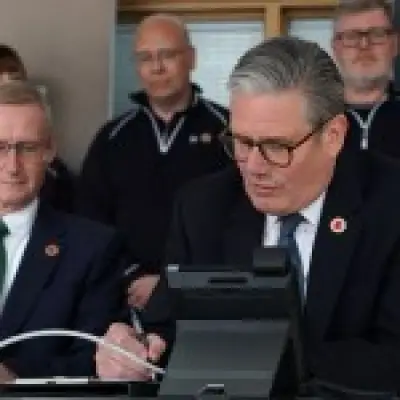
Prime Minister Keir Starmer has emphasized that the boost to wages and the reduction in energy bills are designed to reassure the public that they have a government actively working on their side, which is committed to bearing down on the cost of living. However, political opponents argue that more could be done to keep prices down as the effects of the Middle East conflict continue to unfold.
Key Changes Effective Today
National Living Wage and Minimum Wage Increases

From today, the National Living Wage is rising to £12.71 per hour. This increase is expected to put approximately £18.75 extra in the pocket of full-time workers aged 21 or over each week. Meanwhile, the minimum wage, which applies to those aged 18 to 20, is increasing from £10 to £10.85 per hour. The apprentice rate and the under-18 rate are also both rising from £7.55 to £8 per hour.
Energy Bills Reduction
Despite the spike in energy prices resulting from the war in Iran, there will be no immediate increase in gas and electricity bills. In fact, bills are actually decreasing by an average of £117 per year, as Ofgem's price cap was established before the Middle East crisis began. This cap will remain in effect until the end of June. Additionally, the new Crisis and Resilience Fund is launching today, providing local authorities with funding to assist vulnerable households, such as those using heating oil in their homes.
Air Passenger Duty Hike
In the middle of the Easter holidays, the Air Passenger Duty on flights is being significantly increased. For domestic economy flights, the duty is rising from £7 to £8, while for economy flights to Europe, it is increasing from £13 to £15. For economy flights to more distant destinations like the United States and Canada, the duty will rise from £90 to £102. The higher rate of Air Passenger Duty, which applies to private jets equipped to carry 19 passengers or fewer, is experiencing a much more substantial hike.
Prescription Charges Frozen
Today marks the beginning of a second consecutive year in which prescription charges are frozen in England. These charges will not increase beyond the current level of £9.90 for a single prescription, allowing the government to maintain its commitment to keeping them under ten pounds. In Scotland, Wales, and Northern Ireland, prescriptions will continue to be free of charge.
Additional Changes Scheduled for April 6
At the start of the new financial year, the state pension is rising by 4.8% due to the triple lock mechanism. This means that individuals on the new state pension will receive £241.30 per week, while those on the basic state pension will get £184.90 per week.
Furthermore, the two-child benefit limit is being scrapped from April 6. This change means that families who claim universal credit will receive approximately £3,647 more each year if they have a third child born after that date. The government has stated that this move will place 450,000 children on a pathway out of poverty.
From April 6, a number of changes in the Employment Rights Act will also take effect. These include paternity and ordinary parental leave becoming a day-one right, the removal of the lower earnings limit for statutory sick pay, and enhanced whistleblowing protection for cases involving sexual harassment.