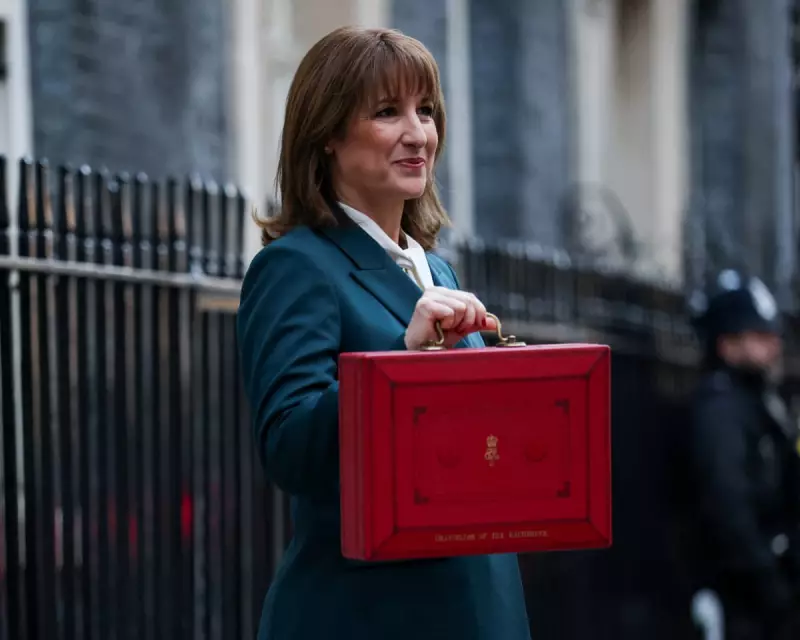
New data reveals the UK economy contracted in the period leading up to Chancellor Rachel Reeves's crucial autumn budget, as uncertainty over potential tax changes dampened both consumer and business confidence.
Borrowing Exceeds Forecasts in Key Pre-Budget Month
The Office for National Statistics (ONS) reported that public sector net borrowing reached £11.7 billion in November. This figure, which measures the gap between government spending and income, was £1.9 billion lower than in November of the previous year but came in above the £10 billion deficit predicted by financial analysts in the City.
Senior ONS statistician Tom Davies noted that the November borrowing was the lowest for that month in four years, primarily due to increased receipts from taxes and national insurance contributions. However, he added a significant caveat: "Across the financial year to date as a whole, borrowing is higher than last year."

A Wider Fiscal Picture and Economic Slowdown
The broader fiscal landscape shows considerable strain. Cumulative borrowing for the financial year to November stood at £132.3 billion. This represents a £10 billion increase compared to the same eight-month period in 2024 and marks the second-highest figure on record for this timeframe, surpassed only by the 2020 period at the height of the Covid-19 pandemic.
This fiscal update follows closely on the heels of confirmation that economic activity slipped into reverse ahead of the 26 November budget. Official GDP figures showed an unexpected shrinkage in October, with the Bank of England forecasting that growth is likely to flatline throughout the fourth quarter of the year. Economists point to speculation surrounding the Chancellor's tax plans as a key factor suppressing household spending and business investment decisions.
Context of Rate Cuts and Seasonal Spending
The economic data arrives just a day after the Bank of England delivered a pre-Christmas boost by cutting interest rates for a sixth consecutive time since August last year, providing some relief to borrowers. Nonetheless, the underlying economic momentum appears weak.
November is traditionally a high-spending month for the government, largely due to the scheduled payment of winter fuel support. The combination of elevated seasonal expenditure and softer-than-expected tax revenues contributed to the higher borrowing figure, painting a challenging backdrop for the government's fiscal strategy.
The confluence of higher borrowing, a contracting economy, and persistent inflationary pressures sets a complex stage for the Chancellor's medium-term budget planning, with close attention being paid to future forecasts from the OBR (Office for Budget Responsibility).