The UK government faces mounting criticism after announcing a significant reduction in its contribution to the Global Fund to Fight AIDS, Tuberculosis and Malaria, despite co-hosting this year's fundraising drive. The decision has sparked warnings that African nations will face impossible choices in healthcare provision.
Funding Reduction Amid Leadership Role
In a move that campaigners describe as undermining Britain's legacy in global health, the government has committed £850 million to the Global Fund for the coming period, representing a 15% decrease from the previous £1 billion pledge. This reduction comes at a particularly sensitive time, with the UK serving as co-host of the fund's replenishment drive alongside South Africa.
Development Minister Jenny Chapman defended the decision, stating that in dollar terms, this year's funding represents only a 5% reduction compared to the 2023-25 amount. She emphasised that the contribution would still save up to 1.3 million lives and prevent as many as 22 million new infections of HIV, tuberculosis and malaria.

African Leaders Voice Grave Concerns
Professor Kenneth Ngure, president-elect of the International AIDS Society based in Kenya, expressed deep concern about the implications. "The Global Fund saves lives every day through its work on HIV, tuberculosis and malaria and is estimated to have saved deaths from these three diseases by half since 2002," he stated.
Professor Ngure warned that "any reduction in support will have consequences – forcing African countries to make impossible choices as they strive to protect the most vulnerable." He also highlighted concerns that funding cuts could jeopardise the rollout of new HIV prevention drugs considered potential gamechangers.
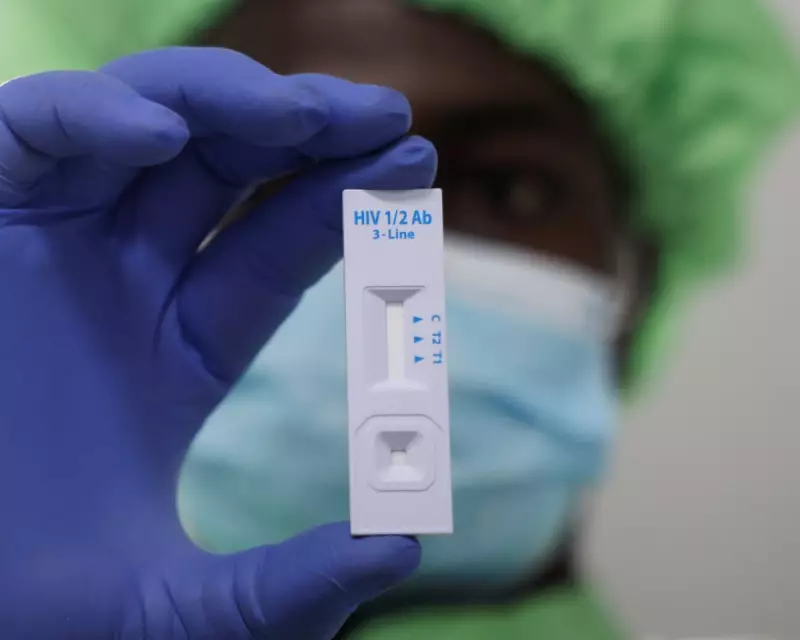
Joy Phumaphi, Executive Secretary of the African Leaders Malaria Alliance, acknowledged the UK's continued commitment but stressed that the reduction would have real consequences across Africa, resulting in fewer bed nets, medicines and diagnostics reaching those most in need.
Broader Implications for Global Health
Campaigners fear the UK's decision could trigger a domino effect, with other donor nations following Britain's lead in reducing commitments. John Plastow, Executive Director at Frontline AIDS, said: "We expected a stronger show of leadership, reflecting a proud UK legacy of support to the global goal of ending AIDS."
Research published in October paints a stark picture of what funding cuts could mean. A 20% reduction to the overall Global Fund would result in 330,000 additional deaths from malaria alone by 2040. Given that the fund provides 59% of international financing for malaria, the implications are particularly severe.
The timing of the cut coincides with the UK government's broader reduction in aid spending from 0.5% to 0.3% of GDP, with the savings being redirected to defence funding.
Calls for Leadership and Additional Funding
Campaigners are urging Prime Minister Keir Starmer to demonstrate leadership by attending the replenishment summit in Johannesburg later in November and finding extra money. Adrian Lovett, UK Executive Director of the ONE campaign, suggested the government could use £74 million saved from reducing hotel accommodation costs for asylum seekers to top up the Global Fund pledge.
Dr Andriy Klepikov, director of Ukraine's Alliance for Public Health, provided a powerful testament to the fund's importance, revealing it has enabled more than half a million Ukrainians to access HIV and TB services during the ongoing war. "Each of these people counts on the eighth replenishment outcomes; their lives depend on the pledge from the UK and other countries," he said.
Despite the criticism, some acknowledge the challenging context. Dr Klepikov expressed gratitude for the UK's "generous contribution in the current challenging context," adding that with such support, the UK confirms its leadership in global health.
As the replenishment summit approaches in Johannesburg, all eyes will be on whether the UK heeds calls to increase its commitment and maintains its position as a leader in the fight against infectious diseases that continue to claim millions of lives annually.